
Kathi-Ann Busha
LCMHCUtah · 6 yrs exp
Licensed counselor - codependency and anxiety
Stress, Anxiety · Trauma and abuse · Self esteem · Depression · +8 more
Read profileTherapist listings are provided by BetterHelp. We will earn a commission at no additional cost to you if you use our links to purchase.
Compare therapists who list codependency and people-pleasing under the Utah listed location to find profiles that match your needs. Browse profiles to review credentials, approaches, languages and experience, and contact a therapist to confirm permission to work together where you live.
Utah · 6 yrs exp
Licensed counselor - codependency and anxiety
Stress, Anxiety · Trauma and abuse · Self esteem · Depression · +8 more
Read profile
Utah · 30 yrs exp
LICSW counselor - Codependency and trauma
Stress, Anxiety · Trauma and abuse · Grief · Anger · +1 more
Read profile
Utah · 14 yrs exp
Licensed counselor for addiction and trauma
Stress, Anxiety · Addictions · Relationship · Depression · +14 more
Read profile
Utah · 9 yrs exp
LMFT in Utah - Anxiety and Relationships
Stress, Anxiety · Addictions · Relationship · Family · +11 more
Read profile
Utah · 7 yrs exp
Licensed Clinical Social Worker - addictions and relationships
Addictions · Grief · Self esteem · Depression · +9 more
Read profile
Utah · 25 yrs exp
LCSW - Relationships and Codependency support
Stress, Anxiety · Relationship · Self esteem · Career · +9 more
Read profile
Utah · 23 yrs exp
Licensed counselor - stress and relationships
Stress, Anxiety · Addictions · Family · Trauma and abuse · +12 more
Read profile
Utah · 7 yrs exp
Licensed counselor - Codependency and addictions
Stress, Anxiety · Addictions · Relationship · Trauma and abuse · +10 more
Read profile
Utah · 8 yrs exp
LCSW - Relationships and Life Transitions
Stress, Anxiety · Relationship · Grief · Depression · +1 more
Read profile
Utah · 6 yrs exp
LCSW - Anxiety and Trauma support
Stress, Anxiety · Trauma and abuse · Grief · Depression · +1 more
Read profile
Utah · 9 yrs exp
LCSW - Anxiety and Relationship concerns
Stress, Anxiety · Relationship · Trauma and abuse · Grief · +1 more
Read profile
Utah · 13 yrs exp
LMHC in Utah - Anxiety and Codependency
Stress, Anxiety · Addictions · LGBT · Self esteem · +8 more
Read profile
Utah · 10 yrs exp
LCMHC - Anxiety and Addictions
Stress, Anxiety · Addictions · Trauma and abuse · Grief · +14 more
Read profile
Utah · 8 yrs exp
LCMHC in Utah - Trauma and relationships
Stress, Anxiety · LGBT · Trauma and abuse · Intimacy-related issues · +14 more
Read profile
Utah · 20 yrs exp
LMFT - Relationships and Addictions
Stress, Anxiety · Addictions · Relationship · Family · +13 more
Read profile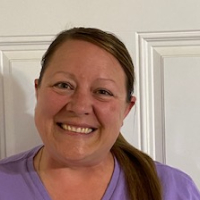
Utah · 9 yrs exp
LCSW - Addictions and Trauma
Stress, Anxiety · Addictions · Trauma and abuse · Self esteem · +9 more
Read profile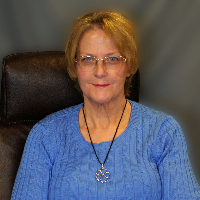
Utah · 25 yrs exp
LCSW focusing on codependency and mood concerns
Stress, Anxiety · Family · Trauma and abuse · Anger · +15 more
Read profile
Utah · 20 yrs exp
LCSW - Relationships and trauma
Relationship · Family · Trauma and abuse · Parenting · +13 more
Read profile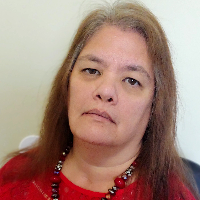
Utah · 17 yrs exp
Licensed counselor - Codependency and relationships
Stress, Anxiety · Trauma and abuse · Anger · Depression · +13 more
Read profile
Utah · 34 yrs exp
LMFT in Utah - relationships and trauma
Relationship · Trauma and abuse · Self esteem · Bipolar · +13 more
Read profile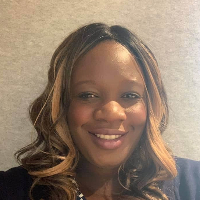
Utah · 20 yrs exp
LCSW in Utah - trauma and addiction focus
Stress, Anxiety · Addictions · Trauma and abuse · Self esteem · +12 more
Read profile
Utah · 11 yrs exp
Licensed counselor - Codependency and relationships
Stress, Anxiety · LGBT · Relationship · Trauma and abuse · +9 more
Read profile
Utah · 16 yrs exp
LCSW - Relationships and Codependency concerns
Stress, Anxiety · Family · Self esteem · Depression · +10 more
Read profile
Utah · 9 yrs exp
Licensed counselor - grief and relationship concerns
Grief · Parenting · Self esteem · Coping with life changes · +9 more
Read profile
Utah · 18 yrs exp
LCSW - relationships and life transitions
Stress, Anxiety · Relationship · Self esteem · Depression · +11 more
Read profile
Utah · 18 yrs exp
Utah psychologist - relationships and mood concerns
Stress, Anxiety · Relationship · Trauma and abuse · Bipolar · +13 more
Read profile
Utah · 21 yrs exp
Licensed clinical social worker - Addictions and Codependency
Addictions · Family · Trauma and abuse · Parenting · +15 more
Read profile
Utah · 11 yrs exp
LMFT in Utah - stress and relationship concerns
Stress, Anxiety · Grief · Self esteem · Depression · +12 more
Read profile
Utah · 11 yrs exp
Licensed Clinical Social Worker - trauma and addiction
Stress, Anxiety · Addictions · Trauma and abuse · Grief · +1 more
Read profile
Utah · 40 yrs exp
Licensed Clinical Social Worker - stress and relationships
Stress, Anxiety · Relationship · Trauma and abuse · Anger · +1 more
Read profile
Utah · 21 yrs exp
Licensed Clinical Mental Health Counselor - Relationships and Trauma
Relationship · Family · Trauma and abuse · Intimacy-related issues · +14 more
Read profile
Utah · 23 yrs exp
LCSW - Stress and Relationship Concerns
Stress, Anxiety · Grief · Self esteem · Depression · +14 more
Read profile
Utah · 18 yrs exp
LCSW - Anxiety and Relationship concerns
Stress, Anxiety · Relationship · Self esteem · Depression · +10 more
Read profile
Utah · 22 yrs exp
Licensed Clinical Social Worker - Anxiety and Codependency
Stress, Anxiety · LGBT · Depression · Coping with life changes · +7 more
Read profile
Utah · 17 yrs exp
LCSW - Relationships and Addiction
Stress, Anxiety · Trauma and abuse · Self esteem · Depression · +9 more
Read profile
Utah · 5 yrs exp
LCSW - Relationships and Trauma
Stress, Anxiety · Relationship · Trauma and abuse · Self esteem · +1 more
Read profile
Utah · 11 yrs exp
LMFT focusing on relationships and trauma
Relationship · Family · Trauma and abuse · Parenting · +15 more
Read profile
Utah · 7 yrs exp
Licensed Clinical Social Worker - Stress and Parenting
Stress, Anxiety · Parenting · Self esteem · Depression · +8 more
Read profile
Utah · 8 yrs exp
Licensed counselor - anxiety and addiction
Stress, Anxiety · Addictions · Trauma and abuse · Bipolar · +15 more
Read profile
Utah · 6 yrs exp
LCSW - Addiction and Trauma focus
Stress, Anxiety · Addictions · Trauma and abuse · Self esteem · +7 more
Read profile
Utah · 6 yrs exp
LCSW - Anxiety and Relationship Concerns
Stress, Anxiety · Trauma and abuse · Anger · Depression · +14 more
Read profile
Utah · 10 yrs exp
Licensed counselor - relationships and mood
Stress, Anxiety · Trauma and abuse · Self esteem · Depression · +11 more
Read profile
Utah · 30 yrs exp
Dr. Timothy Tobin, LPC LCMHC - Addictions and Trauma
Stress, Anxiety · Addictions · Trauma and abuse · Grief · +12 more
Read profile
Utah · 3 yrs exp
Licensed Clinical Social Worker - Trauma and Addiction
Stress, Anxiety · Addictions · Trauma and abuse · Grief · +1 more
Read profile
Utah · 17 yrs exp
Licensed counselor - Stress and addictions
Stress, Anxiety · Addictions · Family · Trauma and abuse · +1 more
Read profile
Utah · 4 yrs exp
Utah LCSW - anxiety and trauma
Stress, Anxiety · Trauma and abuse · Self esteem · Depression · +1 more
Read profile
Utah · 13 yrs exp
Licensed Clinical Social Worker - Stress and Addictions
Stress, Anxiety · Addictions · Trauma and abuse · Depression · +1 more
Read profile
Utah · 28 yrs exp
Licensed counselor - Relationships and Coping
Stress, Anxiety · Relationship · Intimacy-related issues · Depression · +1 more
Read profile
Utah · 18 yrs exp
LCSW - Stress and codependency concerns
Stress, Anxiety · Grief · Self esteem · Compassion fatigue · +1 more
Read profile
Utah · 3 yrs exp
Licensed Clinical Social Worker - anxiety and life changes
Stress, Anxiety · Self esteem · Bipolar · Depression · +1 more
Read profile
Utah · 10 yrs exp
Licensed counselor - stress and relationships
Stress, Anxiety · Addictions · Relationship · Trauma and abuse · +1 more
Read profile
Utah · 20 yrs exp
LCMHC in Utah - Anxiety and Relationship concerns
Stress, Anxiety · Relationship · Trauma and abuse · Anger · +1 more
Read profile
Utah · 6 yrs exp
LCMHC counselor - Anxiety and relationships
Stress, Anxiety · Relationship · Self esteem · Depression · +1 more
Read profile
Utah · 3 yrs exp
LCMHC in Utah - Stress and Relationship Concerns
Stress, Anxiety · Addictions · Relationship · Grief · +1 more
Read profile
Utah · 10 yrs exp
Licensed counselor - stress and codependency
Stress, Anxiety · Grief · Self esteem · Coping with life changes · +1 more
Read profile
Utah · 8 yrs exp
LCSW - Stress and Addictions
Stress, Anxiety · Addictions · Family · Trauma and abuse · +1 more
Read profile
Utah · 7 yrs exp
LCSW - Stress and Relationship Support
Stress, Anxiety · Relationship · Self esteem · Depression · +1 more
Read profileIf you tend to put other people first at your own expense, have trouble saying no, or find your life shaped around someone else’s moods or drinking, you are not alone and there are focused ways to work on those patterns. Codependency is a pattern of relating rather than a medical diagnosis. In practical terms you may be looking to develop clearer boundaries, a stronger sense of self-worth, and habits that protect your time and energy. When you read profiles in this directory, look for how therapists describe their focus on setting limits, building self-respect, and helping clients shift relational patterns without promising specific outcomes.
Profiles can help you identify practitioners who list people-pleasing, boundaries, or relationship patterns among their focus areas. Think about what matters most to you in the work - do you want someone who frames issues around attachment, emotional regulation, trauma, or family systems? Do you prefer a practitioner who emphasizes skills and homework, or one who highlights process and emotional exploration? Use those priorities to narrow profiles before reaching out so your initial conversation can get to the heart of what you need.
The Utah listed location groups profiles that indicate a connection to the state, but it does not guarantee an office address, local practice permission, or proximity to where you live. You should check each profile and confirm directly with the practitioner whether they are permitted to work with people in your jurisdiction. The directory includes professionals from the United States, the United Kingdom, and Australia, so credentials and regulatory frameworks will vary.
Academic degrees such as PhD, PsyD, MD, MA, and MSW are important pieces of a professional background, but a degree alone does not establish current permission to practice in a particular place. In the United States you will typically want to know whether a practitioner holds a license in the state where you live. In the United Kingdom and Australia you may look for registration or professional membership with the relevant national or regional body. Profiles may list degrees and licensure or registration status; when this information is present, read it carefully and ask questions if anything is unclear.
When you contact a therapist, having concrete questions ready makes it easier to compare how different practitioners describe their work. Ask whether they have experience helping people who struggle with people-pleasing or repeatedly prioritise others at personal cost, and how they usually support boundary work. Enquire about the kinds of concerns they address besides codependency - for example, relationship patterns, low self-worth, or caretaking dynamics - because those additional focus areas can shape the work you do together.
Be specific about approaches that interest you, phrasing them as options to discuss rather than assumptions. For instance, you can ask whether a therapist works with techniques that address emotion regulation, family patterns, or trauma processing, and request examples of how those approaches might be used in sessions. Remember that profiles may list particular approaches; the listing indicates interest or use rather than formal certification. Also ask about the therapist’s experience with adults in situations similar to yours, such as partners with substance problems or chronic crises in the family, so you can assess fit.
If you are considering online sessions, clarify practical and safety details before you begin. Confirm whether the therapist is permitted to work with clients in your state or country and whether there are any jurisdictional restrictions that affect care. Talk about how you will handle technology interruptions, what platform they use, and what steps you and the therapist will take if you are in crisis during or between sessions. If you feel unsafe at home, call local emergency services or reach out to a domestic-abuse helpline in your country for immediate help.
Also discuss information-sharing boundaries boundaries for online communication and written materials, how notes or records will be handled, and what to expect if you and the therapist decide to end the work. Ask about scheduling and how cancellations are managed, as well as whether the therapist has experience adapting their approach for remote work. These are practical questions that help you weigh profiles and decide who to contact for an initial conversation.
Comparing profiles effectively comes down to identifying the elements that matter most to you and using them as a filter. Start with focus areas: look for practitioners who list codependency, people-pleasing, boundaries, or related themes and notice which additional issues they address. A therapist who lists trauma, family systems, or relationship work may approach codependency differently than someone who emphasizes skills for managing anxiety or assertiveness training.
Next, consider language and communication style. If you prefer to speak in a language other than English, check profiles for language information. Read the language a practitioner uses to describe their work - are they more directive, offering concrete strategies and action steps, or do they emphasise exploration and emotional processing? You can also compare credentials by distinguishing degrees from licensure or registration. Look for clear statements about whether a practitioner holds a relevant license or is registered with a professional body in the United States, the United Kingdom, or Australia, and ask to confirm permission to work together where you live.
Finally, think about practical experience and approach descriptions. Ask how a practitioner measures progress and what a few early sessions might focus on for someone with your concerns. Some profiles include information about populations or settings a therapist has worked with; other profiles communicate style through the tone and language used. Use those cues, along with direct questions, to choose a few profiles to contact. The initial conversation can then confirm details that matter most to you and help you decide whether to proceed.
Taking time to read profiles carefully, asking specific questions about approach and jurisdiction, and clarifying practical arrangements before you start can help you find a better fit for working on people-pleasing and codependency patterns. Remember that no single profile can guarantee a match, so use profiles as a starting point and trust your judgment during first conversations.
Addictions
3514 therapists
Anger
3758 therapists
Control Issues
3696 therapists
Depression
5281 therapists
Domestic Violence
2636 therapists
Grief
4264 therapists
Guilt and Shame
4937 therapists
Isolation / Loneliness
4503 therapists
Mood Disorders
3681 therapists
Narcissism
1760 therapists
Panic Disorder and Panic Attacks
3429 therapists
Personality Disorders
1983 therapists
Post-Traumatic Stress
4113 therapists
Self Esteem
5187 therapists
Social Anxiety and Phobia
4253 therapists
Stress & Anxiety
5739 therapists
Trauma and Abuse
4787 therapists
Abandonment
3745 therapists
Attachment Issues
3924 therapists
Caregiver Issues and Stress
3369 therapists
Commitment Issues
3221 therapists
Communication Problems
4974 therapists
Compassion Fatigue
3039 therapists
Coping with Life Changes
4819 therapists
Divorce
3758 therapists
Family
4253 therapists
Family of Origin Issues
2932 therapists
Forgiveness
4352 therapists
Infidelity
2779 therapists
Jealousy
2818 therapists
Life Purpose
4715 therapists
Parenting
3372 therapists
Relationship
4972 therapists
Self-Love
4745 therapists
Workplace Issues
3772 therapists