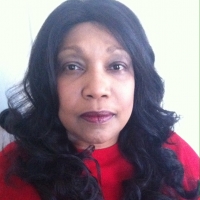
Velma Jones
LCSWNew York · 29 yrs exp
LCSW focused on relationships and coping
Stress, Anxiety · Relationship · Trauma and abuse · Depression · +10 more
Read profileTherapist listings are provided by BetterHelp. We will earn a commission at no additional cost to you if you use our links to purchase.
Browse profiles of therapists who list Attachment Issues along with codependency and people-pleasing as focus areas. Compare listed location, approaches, languages, credentials and therapy style to find professionals who may match what you need.
New York · 29 yrs exp
LCSW focused on relationships and coping
Stress, Anxiety · Relationship · Trauma and abuse · Depression · +10 more
Read profile
Illinois · 17 yrs exp
Illinois LCSW - Trauma and Relationships
Trauma and abuse · Coping with life changes · Stress, Anxiety · Relationship · +9 more
Read profile
Texas · 13 yrs exp
Licensed Clinical Social Worker - Relationships and Trauma
Stress, Anxiety · Relationship · Trauma and abuse · Anger · +11 more
Read profile
Florida · 10 yrs exp
Licensed counselor - Codependency and Addictions
Stress, Anxiety · Addictions · Anger · Depression · +12 more
Read profile
Colorado · 15 yrs exp
Licensed Professional Counselor - Relationships and Codependency
Stress, Anxiety · Relationship · Intimacy-related issues · Self esteem · +10 more
Read profile
Louisiana · 7 yrs exp
Licensed Professional Counselor - Relationships and Trauma
Stress, Anxiety · Family · Trauma and abuse · Parenting · +15 more
Read profile
Florida · 25 yrs exp
LMHC in Florida - Relationships and Trauma
Relationship · Trauma and abuse · Grief · Anger · +12 more
Read profile
Florida · 7 yrs exp
Licensed counselor - addictions and relationships
Addictions · Relationship · Family · Trauma and abuse · +13 more
Read profile
Texas · 12 yrs exp
LMFT - Relationships and Codependency
Stress, Anxiety · Addictions · Relationship · Grief · +11 more
Read profile
New York · 5 yrs exp
LMHC in New York - mood and relationship concerns
Stress, Anxiety · LGBT · Trauma and abuse · Bipolar · +12 more
Read profile
Pennsylvania · 12 yrs exp
LMHC and LPCC - Relationships and Codependency
Stress, Anxiety · Relationship · Self esteem · Depression · +11 more
Read profile
North Carolina · 10 yrs exp
LCSW counselor - relationships and codependency
Stress, Anxiety · Relationship · Family · Bipolar · +16 more
Read profile
Texas · 17 yrs exp
Licensed Professional Counselor - Stress and Relationships
Stress, Anxiety · Family · Depression · Coping with life changes · +12 more
Read profile
Missouri · 7 yrs exp
Licensed Professional Counselor - Anxiety and Addictions
Stress, Anxiety · Addictions · Relationship · Self esteem · +13 more
Read profile
Louisiana · 10 yrs exp
LPC in Louisiana - Relationships and Anxiety
Stress, Anxiety · Relationship · Family · Depression · +12 more
Read profile
Texas · 10 yrs exp
Licensed Professional Counselor - Relationships and Codependency
Stress, Anxiety · Relationship · Family · Depression · +14 more
Read profile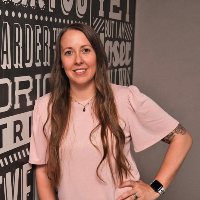
Wisconsin · 8 yrs exp
LPC in Wisconsin focused on relationships and codependency
Relationship · Intimacy-related issues · Coping with life changes · Stress, Anxiety · +8 more
Read profile
Texas · 11 yrs exp
Licensed Professional Counselor - Relationships and Anxiety
Stress, Anxiety · Relationship · Family · Parenting · +9 more
Read profile
Illinois · 10 yrs exp
Licensed counselor - relationships and codependency
Stress, Anxiety · LGBT · Relationship · Trauma and abuse · +10 more
Read profile
North Carolina · 13 yrs exp
LCSW - Relationships and Confidence
Stress, Anxiety · Relationship · Family · Self esteem · +13 more
Read profile
Washington · 12 yrs exp
LMHC in Washington - Relationships and Codependency
Stress, Anxiety · Relationship · Family · Self esteem · +15 more
Read profile
Florida · 10 yrs exp
LCSW - Relationship and Addiction Concerns
Stress, Anxiety · Addictions · Family · Grief · +8 more
Read profile
Missouri · 14 yrs exp
Licensed Professional Counselor - Relationships and Codependency
Stress, Anxiety · Self esteem · Career · Depression · +13 more
Read profile
Texas · 22 yrs exp
Dr. Ngozi Okose - LPC, relationship and anxiety work
Stress, Anxiety · Relationship · Trauma and abuse · Depression · +16 more
Read profile
Kentucky · 11 yrs exp
Licensed Marriage and Family Therapist - Relationships and Codependency
Stress, Anxiety · Relationship · Family · Self esteem · +9 more
Read profile
New Jersey · 8 yrs exp
LCSW - Anxiety and Relationship Concerns
Stress, Anxiety · Relationship · Trauma and abuse · Bipolar · +14 more
Read profile
Alabama · 15 yrs exp
Licensed counselor - anxiety and relationships
Stress, Anxiety · Addictions · Relationship · Family · +12 more
Read profile
Tennessee · 35 yrs exp
Licensed Clinical Social Worker - Stress and Relationships
Stress, Anxiety · Grief · Self esteem · Depression · +8 more
Read profile
Georgia · 25 yrs exp
LISW LCSW - Relationships and Codependency
Stress, Anxiety · Parenting · Anger · Self esteem · +15 more
Read profile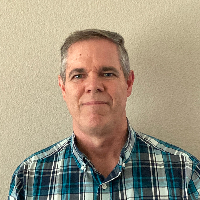
Texas · 33 yrs exp
LCSW - Relationships and Stress
Stress, Anxiety · Relationship · Family · Self esteem · +11 more
Read profile
Virginia · 13 yrs exp
Licensed counselor - anxiety and relationships
Stress, Anxiety · Anger · Self esteem · Depression · +9 more
Read profile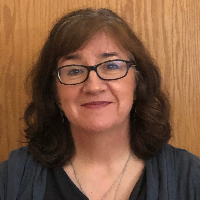
Wisconsin · 17 yrs exp
Licensed Professional Counselor - Relationships and Codependency
Stress, Anxiety · Relationship · Trauma and abuse · Self esteem · +11 more
Read profile
South Carolina · 20 yrs exp
Licensed Independent Social Worker - Relationships and Eating Issues
Stress, Anxiety · Relationship · Eating · Self esteem · +10 more
Read profile
Colorado · 9 yrs exp
Licensed Clinical Social Worker - Relationships and Codependency
Stress, Anxiety · Relationship · Grief · Depression · +11 more
Read profile
Louisiana · 10 yrs exp
LPC in Louisiana - relationships and mood work
Stress, Anxiety · Trauma and abuse · Anger · Self esteem · +12 more
Read profile
Michigan · 16 yrs exp
Licensed Professional Counselor - Relationships and Addictions
Stress, Anxiety · Addictions · Relationship · Parenting · +8 more
Read profile
Ohio · 17 yrs exp
LISW in Ohio - relationships and codependency
Stress, Anxiety · Family · Parenting · Depression · +12 more
Read profile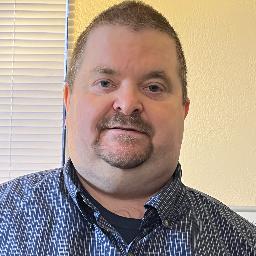
Florida · 20 yrs exp
LCSW - Codependency and Trauma-focused care
Stress, Anxiety · Addictions · Trauma and abuse · Grief · +14 more
Read profile
Michigan · 31 yrs exp
LMSW - relationships and stress
Stress, Anxiety · Family · Trauma and abuse · Self esteem · +16 more
Read profile
New York · 15 yrs exp
Licensed Clinical Social Worker - Relationships and Addictions
Stress, Anxiety · Addictions · Relationship · Self esteem · +10 more
Read profile
Texas · 10 yrs exp
LMFT focusing on relationships and codependency
Stress, Anxiety · LGBT · Relationship · Grief · +12 more
Read profile
Georgia · 7 yrs exp
Licensed therapist - Relationships and Codependency
Stress, Anxiety · Relationship · Intimacy-related issues · Anger · +11 more
Read profile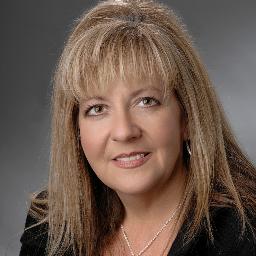
Kansas · 17 yrs exp
Licensed Clinical Professional Counselor - Relationships and Coping
Stress, Anxiety · Relationship · Family · Anger · +10 more
Read profile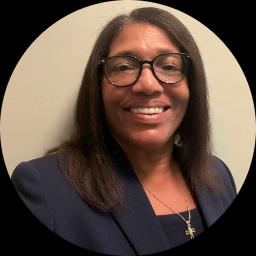
Mississippi · 36 yrs exp
LCSW - Family and Codependency concerns
Family · Parenting · Anger · Self esteem · +11 more
Read profile
Florida · 28 yrs exp
LCSW - Codependency and relationship patterns
Stress, Anxiety · Addictions · Trauma and abuse · Self esteem · +13 more
Read profile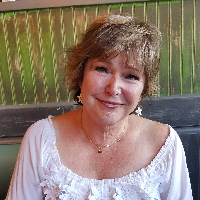
Oklahoma · 20 yrs exp
Licensed Professional Counselor - Addiction and Trauma
Stress, Anxiety · Addictions · Trauma and abuse · Anger · +8 more
Read profile
Texas · 26 yrs exp
LPC in Texas - Relationship and Stress concerns
Stress, Anxiety · Relationship · Trauma and abuse · Grief · +11 more
Read profile
Minnesota · 7 yrs exp
LPCC counselor - Stress and relationships
Stress, Anxiety · LGBT · Trauma and abuse · Self esteem · +9 more
Read profile
Florida · 20 yrs exp
LMHC in Florida - Stress and Relationships
Stress, Anxiety · Relationship · Grief · Self esteem · +1 more
Read profile
Georgia · 27 yrs exp
Licensed Professional Counselor - Anxiety and Relationships
Stress, Anxiety · Trauma and abuse · Bipolar · Depression · +16 more
Read profile
Oklahoma · 27 yrs exp
LPC helping with codependency and related concerns
Stress, Anxiety · Addictions · Parenting · Anger · +11 more
Read profile
Massachusetts · 20 yrs exp
LICSW in Massachusetts - Life changes and relationships
Stress, Anxiety · Self esteem · Career · Depression · +11 more
Read profile
Indiana · 12 yrs exp
LCSW counselor - codependency and mood concerns
Stress, Anxiety · Trauma and abuse · Self esteem · Bipolar · +10 more
Read profile
South Carolina · 8 yrs exp
Licensed Professional Counselor - trauma and relationships
Stress, Anxiety · Trauma and abuse · Self esteem · Depression · +16 more
Read profile
Florida · 25 yrs exp
LMHC in Florida - anxiety and relationships
Stress, Anxiety · Relationship · Trauma and abuse · Self esteem · +2 more
Read profile
Ohio · 16 yrs exp
LPCC in Ohio - anxiety and relationships
Stress, Anxiety · Depression · Coping with life changes · Addictions · +11 more
Read profile
Florida · 18 yrs exp
LMHC - Relationships and Mood Concerns
Stress, Anxiety · Parenting · Anger · Self esteem · +13 more
Read profile
Illinois · 5 yrs exp
Illinois psychologist for codependency and relationships
Stress, Anxiety · Relationship · Trauma and abuse · Depression · +12 more
Read profile
Pennsylvania · 15 yrs exp
Licensed Professional Counselor - Relationships and Mood
Stress, Anxiety · Relationship · Self esteem · Depression · +14 more
Read profile
Florida · 11 yrs exp
Florida LMHC - Anxiety and Relationships
Stress, Anxiety · Relationship · Family · Grief · +7 more
Read profileIf you find yourself prioritizing other people at your own expense - saying yes when you want to say no, losing track of your own needs to keep a relationship steady, or managing someone else’s moods and crises - attachment concerns can feel central to how you relate. Attachment talks about the patterns that develop in close relationships, including how you seek comfort, how much closeness feels safe, and how you respond when someone seems distant. Those patterns do not define you. They are ways of coping that may have developed in childhood or across relationships, and they can change as you learn different ways of relating. When you are looking for help, it can be useful to focus on how a therapist describes experience with adults who struggle with people-pleasing, difficulty asserting boundaries, or enmeshment in another person’s life, rather than looking for any single label.
Attachment concerns and codependency or people-pleasing often overlap, but one does not necessarily cause the other. Codependency is a pattern of placing another person’s needs above your own and tying your sense of worth to caretaking or approval. Attachment-related patterns describe how you form emotional bonds and react to perceived distance or threat in relationships. People who focus on pleasing or on keeping peace may be responding to an anxious attachment pattern, an avoidant pattern, or a mixture of patterns depending on history and relationship dynamics. On this page you will find profiles that list Attachment Issues as a specialty alongside codependency and people-pleasing. That pairing signals that those professionals note these concerns in their practice, not that there is a single explanation or guaranteed pathway for change. When you read profiles, look for language that resonates with your experience - for example, references to boundary work, building a sense of self, or learning to tolerate closeness - and remember that different therapists may describe similar work in different ways.
When you compare profiles, specific questions help you understand how a therapist might match your needs. Ask whether they describe work with adults who struggle with chronic people-pleasing or with adults who have patterns of enmeshment in caregiving roles. You might inquire about the approaches they list - for example, therapists who list attachment-based work, psychodynamic approaches, cognitive-behavioral strategies, interpersonal methods, somatic approaches, or therapists who list EMDR among their approaches - and ask how those approaches are used with relational patterns. It is also useful to question how they work with boundaries and self-worth in practical terms: do they describe exercises for saying no, role-play for practicing limits, or ways to track triggers in everyday interactions? Clarify whether a professional's description refers to experience with adults only or includes couples, families, or adolescents, because a listed topic does not guarantee work with all ages or relationship types. When you read credentials, distinguish academic degrees like PhD, PsyD, MD, MA or MSW from current permission to practice. In the United States a therapist may be licensed; in the United Kingdom or Australia therapists may be registered or members of regional professional bodies. A degree by itself does not establish current registration or licensing, so you might ask a prospective clinician how they are credentialed in the listed location and what that credential allows them to do clinically.
If you are considering online sessions, there are practical topics to raise before you begin. Discuss how the therapist manages emergency situations and what local crisis resources they advise in your listed location, since a clinician’s ability to act directly depends on jurisdiction. If you feel unsafe at home, get immediate help from emergency services or domestic-abuse helplines in your country; mention this to a prospective therapist so they can explain how they will support you and what referrals they can provide. Talk about the technology platform to be used, how they protect records and communications, and whether they have a written agreement that outlines session length, cancellation expectations, and what to do if a session is interrupted. If you expect to work on trauma-related material or intense emotional reactions, ask how the therapist structures sessions to manage distress and whether they collaborate on a plan for times when you need extra support. Also clarify whether they work with your relationship type - for instance, some therapists list Attachment Issues but focus solely on individual therapy, while others explicitly include couples or family work. That scope matters for what you choose to discuss in initial conversations.
When you scan profiles you will find a range of ways clinicians present their focus. Some list Attachment Issues as a primary specialty alongside codependency and people-pleasing, while others include it among several additional focus areas. Consider how prominently each topic appears in the profile and the language used to describe it. Look for explicit mention of the kinds of life situations the therapist has worked with - for example, difficulty saying no, managing someone else’s drinking or crisis behaviors, or rebuilding identity after a long caregiving role - and ask yourself whether those examples map onto your experience. Check the languages a therapist lists if speaking in your preferred language is important for nuanced conversations about identity and boundaries. Compare academic degrees separately from professional registration - a profile may list a PhD, PsyD, MD, MA or MSW alongside information about licensure in the United States or membership and registration details in the United Kingdom and Australia. Finally, pay attention to the therapist’s described style: some profiles emphasize practical skills and structure, others highlight reflective work that explores early relationship patterns and meaning. You can form concrete comparison questions to ask in a first message or consultation, such as: How do you typically help someone learn to set limits? What kinds of exercises or reflections do you find useful for reducing people-pleasing? Do you have experience supporting adults who are stepping back from caregiving roles? By framing your comparisons around these specific, practical questions you can better evaluate which profiles align with your priorities.
Choosing a professional to talk with about attachment concerns and patterns of people-pleasing starts with clarity about what you want to explore and the practical questions you will bring to an initial conversation. Use the information on listed profiles to compare focus areas, therapeutic approaches that are named, spoken languages, academic degrees and the professional registration or membership relevant to the clinician’s listed location. Remember that a therapist’s profile indicates areas they list as part of their practice rather than a guarantee of training or outcomes. If you are experiencing immediate danger at home call emergency services and reach out to domestic-abuse helplines for urgent help. When you are ready, a thoughtful initial message or conversation that asks about approach, scope, and how the therapist handles risk and practical details will help you decide whether to move forward with a clinician whose profile reflects the kind of support you are seeking.
Alabama
72 therapists
Alaska
9 therapists
Arizona
83 therapists
Arkansas
38 therapists
Australia
111 therapists
California
415 therapists
Colorado
131 therapists
Connecticut
39 therapists
Delaware
9 therapists
District of Columbia
7 therapists
Florida
603 therapists
Georgia
130 therapists
Hawaii
17 therapists
Idaho
39 therapists
Illinois
156 therapists
Indiana
94 therapists
Iowa
30 therapists
Kansas
37 therapists
Kentucky
82 therapists
Louisiana
90 therapists
Maine
17 therapists
Maryland
43 therapists
Massachusetts
58 therapists
Michigan
157 therapists
Minnesota
80 therapists
Mississippi
52 therapists
Missouri
156 therapists
Montana
31 therapists
Nebraska
28 therapists
Nevada
32 therapists
New Hampshire
12 therapists
New Jersey
113 therapists
New Mexico
24 therapists
New York
234 therapists
North Carolina
189 therapists
North Dakota
3 therapists
Ohio
131 therapists
Oklahoma
88 therapists
Oregon
37 therapists
Pennsylvania
188 therapists
Rhode Island
8 therapists
South Carolina
100 therapists
South Dakota
12 therapists
Tennessee
85 therapists
Texas
508 therapists
United Kingdom
1067 therapists
Utah
57 therapists
Vermont
9 therapists
Virginia
84 therapists
Washington
70 therapists
West Virginia
22 therapists
Wisconsin
86 therapists
Wyoming
17 therapists