
Velma Jones
LCSWNew York · 29 yrs exp
LCSW focused on relationships and coping
Stress, Anxiety · Relationship · Trauma and abuse · Depression · +10 more
Read profileTherapist listings are provided by BetterHelp. We will earn a commission at no additional cost to you if you use our links to purchase.
This collection groups profiles of clinicians who list Trauma and Abuse among their focus areas and who also note experience with codependency and people-pleasing. Use the profile details to compare approaches, credentials, languages, and listed location, then browse individual profiles to learn more.
New York · 29 yrs exp
LCSW focused on relationships and coping
Stress, Anxiety · Relationship · Trauma and abuse · Depression · +10 more
Read profile
Illinois · 17 yrs exp
Illinois LCSW - Trauma and Relationships
Trauma and abuse · Coping with life changes · Stress, Anxiety · Relationship · +9 more
Read profile
Texas · 13 yrs exp
Licensed Clinical Social Worker - Relationships and Trauma
Stress, Anxiety · Relationship · Trauma and abuse · Anger · +11 more
Read profile
Nevada · 30 yrs exp
Licensed counselor - grief and anxiety
Stress, Anxiety · Grief · Self esteem · Coping with life changes · +14 more
Read profile
Michigan · 20 yrs exp
Licensed Master Social Worker - Stress and Relationships
Stress, Anxiety · Relationship · Self esteem · Family · +6 more
Read profile
Florida · 10 yrs exp
Licensed counselor - Codependency and Addictions
Stress, Anxiety · Addictions · Anger · Depression · +12 more
Read profile
Colorado · 15 yrs exp
Licensed Professional Counselor - Relationships and Codependency
Stress, Anxiety · Relationship · Intimacy-related issues · Self esteem · +10 more
Read profile
Louisiana · 7 yrs exp
Licensed Professional Counselor - Relationships and Trauma
Stress, Anxiety · Family · Trauma and abuse · Parenting · +15 more
Read profile
Florida · 25 yrs exp
LMHC in Florida - Relationships and Trauma
Relationship · Trauma and abuse · Grief · Anger · +12 more
Read profile
Texas · 15 yrs exp
Licensed Professional Counselor - Relationships and Addictions
Addictions · Relationship · Trauma and abuse · Grief · +13 more
Read profile
Florida · 7 yrs exp
Licensed counselor - addictions and relationships
Addictions · Relationship · Family · Trauma and abuse · +13 more
Read profile
Texas · 12 yrs exp
LMFT - Relationships and Codependency
Stress, Anxiety · Addictions · Relationship · Grief · +11 more
Read profile
Missouri · 36 yrs exp
Licensed Clinical Social Worker - Relationships and Mood
Stress, Anxiety · Relationship · Trauma and abuse · Intimacy-related issues · +15 more
Read profile
New York · 5 yrs exp
LMHC in New York - mood and relationship concerns
Stress, Anxiety · LGBT · Trauma and abuse · Bipolar · +12 more
Read profile
North Carolina · 10 yrs exp
LCSW counselor - relationships and codependency
Stress, Anxiety · Relationship · Family · Bipolar · +16 more
Read profile
Texas · 17 yrs exp
Licensed Professional Counselor - Stress and Relationships
Stress, Anxiety · Family · Depression · Coping with life changes · +12 more
Read profile
Missouri · 7 yrs exp
Licensed Professional Counselor - Anxiety and Addictions
Stress, Anxiety · Addictions · Relationship · Self esteem · +13 more
Read profile
Louisiana · 10 yrs exp
LPC in Louisiana - Relationships and Anxiety
Stress, Anxiety · Relationship · Family · Depression · +12 more
Read profile
Texas · 10 yrs exp
Licensed Professional Counselor - Relationships and Codependency
Stress, Anxiety · Relationship · Family · Depression · +14 more
Read profile
Wisconsin · 8 yrs exp
LPC in Wisconsin focused on relationships and codependency
Relationship · Intimacy-related issues · Coping with life changes · Stress, Anxiety · +8 more
Read profile
Texas · 11 yrs exp
Licensed Professional Counselor - Relationships and Anxiety
Stress, Anxiety · Relationship · Family · Parenting · +9 more
Read profile
Ohio · 33 yrs exp
LPCC in Ohio - Trauma and Codependency support
Stress, Anxiety · Family · Trauma and abuse · Self esteem · +12 more
Read profile
Illinois · 10 yrs exp
Licensed counselor - relationships and codependency
Stress, Anxiety · LGBT · Relationship · Trauma and abuse · +10 more
Read profile
North Carolina · 13 yrs exp
LCSW - Relationships and Confidence
Stress, Anxiety · Relationship · Family · Self esteem · +13 more
Read profile
Washington · 12 yrs exp
LMHC in Washington - Relationships and Codependency
Stress, Anxiety · Relationship · Family · Self esteem · +15 more
Read profile
Florida · 10 yrs exp
LCSW - Relationship and Addiction Concerns
Stress, Anxiety · Addictions · Family · Grief · +8 more
Read profile
South Carolina · 36 yrs exp
LISW-CP counselor - Codependency and mood concerns
Stress, Anxiety · Addictions · Family · Trauma and abuse · +3 more
Read profile
Virginia · 19 yrs exp
Licensed counselor - anxiety and relationships
Stress, Anxiety · Grief · Self esteem · Depression · +11 more
Read profile
Missouri · 14 yrs exp
Licensed Professional Counselor - Relationships and Codependency
Stress, Anxiety · Self esteem · Career · Depression · +13 more
Read profile
Virginia · 23 yrs exp
Licensed Professional Counselor - trauma and relationships
Stress, Anxiety · Trauma and abuse · Self esteem · Depression · +9 more
Read profile
Texas · 22 yrs exp
Dr. Ngozi Okose - LPC, relationship and anxiety work
Stress, Anxiety · Relationship · Trauma and abuse · Depression · +16 more
Read profile
Kentucky · 11 yrs exp
Licensed Marriage and Family Therapist - Relationships and Codependency
Stress, Anxiety · Relationship · Family · Self esteem · +9 more
Read profile
Tennessee · 28 yrs exp
Tennessee psychologist - relationships and mood
Stress, Anxiety · Relationship · Grief · Depression · +10 more
Read profile
New Jersey · 8 yrs exp
LCSW - Anxiety and Relationship Concerns
Stress, Anxiety · Relationship · Trauma and abuse · Bipolar · +14 more
Read profile
Mississippi · 12 yrs exp
Licensed Clinical Social Worker - Stress and Addictions
Stress, Anxiety · Addictions · Anger · Self esteem · +12 more
Read profile
Texas · 8 yrs exp
LCSW helping with relationships and stress
Stress, Anxiety · Relationship · Self esteem · Depression · +8 more
Read profile
Utah · 6 yrs exp
Licensed counselor - codependency and anxiety
Stress, Anxiety · Trauma and abuse · Self esteem · Depression · +8 more
Read profile
Alabama · 15 yrs exp
Licensed counselor - anxiety and relationships
Stress, Anxiety · Addictions · Relationship · Family · +12 more
Read profile
Tennessee · 35 yrs exp
Licensed Clinical Social Worker - Stress and Relationships
Stress, Anxiety · Grief · Self esteem · Depression · +8 more
Read profile
Georgia · 25 yrs exp
LISW LCSW - Relationships and Codependency
Stress, Anxiety · Parenting · Anger · Self esteem · +15 more
Read profile
Texas · 18 yrs exp
Licensed Professional Counselor - Codependency and Relationships
Stress, Anxiety · Relationship · Family · Parenting · +9 more
Read profile
Nebraska · 25 yrs exp
LMHP in Nebraska - Codependency and Relationships
Stress, Anxiety · Family · Trauma and abuse · Parenting · +12 more
Read profile
Texas · 33 yrs exp
LCSW - Relationships and Stress
Stress, Anxiety · Relationship · Family · Self esteem · +11 more
Read profile
Virginia · 13 yrs exp
Licensed counselor - anxiety and relationships
Stress, Anxiety · Anger · Self esteem · Depression · +9 more
Read profile
Wisconsin · 17 yrs exp
Licensed Professional Counselor - Relationships and Codependency
Stress, Anxiety · Relationship · Trauma and abuse · Self esteem · +11 more
Read profile
Colorado · 9 yrs exp
Licensed Clinical Social Worker - Relationships and Codependency
Stress, Anxiety · Relationship · Grief · Depression · +11 more
Read profile
New York · 14 yrs exp
Licensed Clinical Social Worker - Anxiety and Relationships
Stress, Anxiety · Trauma and abuse · Grief · Depression · +6 more
Read profile
Louisiana · 10 yrs exp
LPC in Louisiana - relationships and mood work
Stress, Anxiety · Trauma and abuse · Anger · Self esteem · +12 more
Read profile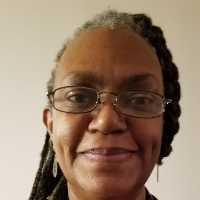
Maryland · 25 yrs exp
Licensed counselor - codependency and addictions
Stress, Anxiety · Addictions · Relationship · Grief · +12 more
Read profile
Michigan · 16 yrs exp
Licensed Professional Counselor - Relationships and Addictions
Stress, Anxiety · Addictions · Relationship · Parenting · +8 more
Read profile
Ohio · 17 yrs exp
LISW in Ohio - relationships and codependency
Stress, Anxiety · Family · Parenting · Depression · +12 more
Read profile
Illinois · 38 yrs exp
LCPC in Illinois - Codependency and Anxiety
Stress, Anxiety · Self esteem · Depression · Coping with life changes · +9 more
Read profile
Oklahoma · 33 yrs exp
Licensed Professional Counselor - Anxiety and Depression
Stress, Anxiety · Depression · Coping with life changes · Relationship · +4 more
Read profile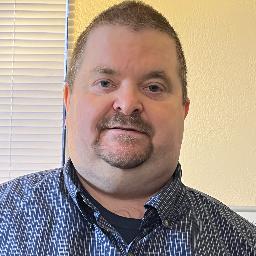
Florida · 20 yrs exp
LCSW - Codependency and Trauma-focused care
Stress, Anxiety · Addictions · Trauma and abuse · Grief · +14 more
Read profile
Michigan · 31 yrs exp
LMSW - relationships and stress
Stress, Anxiety · Family · Trauma and abuse · Self esteem · +16 more
Read profile
Missouri · 35 yrs exp
LCSW in Missouri - mood and relationship concerns
Stress, Anxiety · Trauma and abuse · Anger · Bipolar · +13 more
Read profile
New York · 15 yrs exp
Licensed Clinical Social Worker - Relationships and Addictions
Stress, Anxiety · Addictions · Relationship · Self esteem · +10 more
Read profile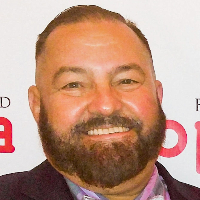
Florida · 32 yrs exp
LMHC in Florida - Relationships and Mood
Stress, Anxiety · Relationship · Trauma and abuse · Bipolar · +8 more
Read profile
Texas · 10 yrs exp
LMFT focusing on relationships and codependency
Stress, Anxiety · LGBT · Relationship · Grief · +12 more
Read profile
Georgia · 7 yrs exp
Licensed therapist - Relationships and Codependency
Stress, Anxiety · Relationship · Intimacy-related issues · Anger · +11 more
Read profileWhen you consistently put other people first, it can feel like the practical and emotional work of life is organized around someone else s needs. You might find it difficult to say no, lose track of your own priorities, or keep giving even when you feel resentful or exhausted. Those patterns can be distressing on their own and can also shape the kinds of problems you bring into therapy. On this page you will find profiles of therapists who list Trauma and Abuse among their focus areas and who also note codependency or people-pleasing experience, so you can look for language that fits your experience.
As you scan profiles, pay attention to how a clinician describes their focus and the kinds of difficulties they work with. Some therapists frame their work around boundary-building, self-worth, or recovery from abusive dynamics, while others emphasize skills for managing anxiety, relational patterns, or coping after harm. The language a clinician uses can give you an idea of whether you and a prospective therapist are likely to start from similar assumptions and goals.
People-pleasing and codependency are patterns of relating that can coexist with experiences of trauma or abuse, but one does not automatically cause the other. For some people past threats, betrayal, or repeated harm contribute to habits of prioritising others because that felt necessary for safety or attachment. For others, family expectations, personality, or cultural factors may shape people-pleasing independently of definable traumatic events. When you are looking at profiles, it helps to think in terms of patterns and responses rather than fixed explanations.
If you are wondering whether trauma or abuse is a factor for you, look for therapists who describe work with relational harm, chronic stress following adverse experiences, or support for those recovering from abusive dynamics. You may also see clinicians who list specific approaches among their methods - for example, therapists who list EMDR among their approaches, or those who mention somatic work, relational or attachment-oriented frameworks, or narrative perspectives. Those phrases indicate subjects to explore in an initial conversation, not guarantees about how a therapist will approach your situation.
If you are currently unsafe at home or in immediate danger, contact local emergency services right away. If you are in the United States, call 911. If you are in the United Kingdom, use 999 or 112. If you are in Australia, call 000. You can also reach domestic-abuse helplines available in your country for specific guidance and shelter referrals. Safety planning and urgent resources are matters to raise with trained crisis responders and local supports as appropriate.
When you read a profile, think in terms of concrete questions you can bring to an introductory message or first conversation. Ask how the clinician describes their work with adults who prioritise others - do they frame it in terms of boundaries, relational patterns, self-worth, or coping strategies? You can ask whether they commonly work with people who have experienced interpersonal harm and how they talk about risk, triggers, and emotional regulation. It is reasonable to ask whether they have experience supporting people who are managing ongoing difficult relationships or recovering from abusive dynamics.
Profiles often list degrees and professional identifiers. Remember that academic degrees - PhD, PsyD, MD, MA, or MSW - indicate training background but do not by themselves confirm current permission to practice. In the United States you may also see licensing designations that indicate regulatory permission to provide clinical services. In the United Kingdom and Australia clinicians may be registered with national boards or be members of professional associations. Ask about current registration, membership, or licensing if that is important to you, and request clarification about whether a degree or title reflects an active clinical qualification.
It can also be helpful to ask how a clinician describes the ways they work. You might inquire whether they favor short-term skills-based work, longer-term relational exploration, body-oriented practices, or trauma-focused interventions, and whether they describe using particular approaches. Profiles sometimes show that a clinician lists specific techniques among their approaches; for example, you may find therapists who list CBT, psychodynamic perspectives, mindfulness-based practices, or EMDR among their approaches. Those listings are prompts for conversation rather than claims about certification. Ask follow-up questions about how the clinician integrates those approaches into sessions and what a typical early plan might look like in response to your needs.
If you are considering sessions online, bring up practical and safety-related topics before you begin. Ask how the clinician handles session interruptions, what their plan is if a connection drops, and how they manage boundaries around texting or calls between sessions. Discuss whether they maintain an emergency plan for clients who may be at risk and how they handle crisis coordination when you are in a different location from the therapist. Clarify which listed location is their practice base so you both understand jurisdictional issues and local emergency resources.
When you plan to participate from home, make sure you have a private space to attend where you can speak freely. Tell the clinician if you share living space with others or if privacy is difficult, since that may affect whether remote work is right for you at a given time. Ask about time zones if you and a clinician are in different countries, and how they document sessions and protect your personal information. You can request information about how they store records and what communication methods they use, without needing specialized technical knowledge.
If you have particular safety concerns tied to an abusive household or ongoing threats, raise those early. A clinician can describe their approach to safety planning and whether they will help you connect with local resources. If you believe you are in immediate danger, contact emergency services and local domestic-abuse helplines first, then follow up about clinical support when you are able.
Comparing profiles is about matching what you need with what a clinician says they focus on and how they describe their work. Start with the focus areas listed on a profile. If you see Trauma and Abuse alongside codependency or people-pleasing, the clinician is indicating they welcome clients with those concerns. Read the summary text to learn whether they emphasize boundaries, relational repair, trauma recovery, or coping strategies, and note any language about the populations they work with.
Language skills are important if you want therapy in a language other than English. Profiles will often state the languages a clinician speaks; you can prioritise clinicians who list a language you prefer. Credentials and professional identifiers tell different stories. Academic degrees show training level and areas of study, while licensing, registration, or membership indicate oversight or professional affiliation in a particular country. If those distinctions matter to you, ask the clinician to explain their current standing and whether their credential allows them to practice in your region.
Finally, attend to style and the tone of the profile. Some clinicians write in a direct, skills-oriented way and describe concrete exercises or steps they often use. Others write in a relational, reflective tone focusing on long-term change and narrative work. Consider which tone feels most likely to keep you engaged and able to speak freely. Remember that a listed topic does not establish that a clinician treats children, couples, or families; if you have specific needs, raise them directly when you contact a clinician. Comparing profiles with these concrete questions in mind will help you move from browsing to a clearer next step in finding a clinician whose approach aligns with what you are seeking.
Alabama
72 therapists
Alaska
9 therapists
Arizona
83 therapists
Arkansas
38 therapists
Australia
111 therapists
California
415 therapists
Colorado
131 therapists
Connecticut
39 therapists
Delaware
9 therapists
District of Columbia
7 therapists
Florida
603 therapists
Georgia
130 therapists
Hawaii
17 therapists
Idaho
39 therapists
Illinois
156 therapists
Indiana
94 therapists
Iowa
30 therapists
Kansas
37 therapists
Kentucky
82 therapists
Louisiana
90 therapists
Maine
17 therapists
Maryland
43 therapists
Massachusetts
58 therapists
Michigan
157 therapists
Minnesota
80 therapists
Mississippi
52 therapists
Missouri
156 therapists
Montana
31 therapists
Nebraska
28 therapists
Nevada
32 therapists
New Hampshire
12 therapists
New Jersey
113 therapists
New Mexico
24 therapists
New York
234 therapists
North Carolina
189 therapists
North Dakota
3 therapists
Ohio
131 therapists
Oklahoma
88 therapists
Oregon
37 therapists
Pennsylvania
188 therapists
Rhode Island
8 therapists
South Carolina
100 therapists
South Dakota
12 therapists
Tennessee
85 therapists
Texas
508 therapists
United Kingdom
1067 therapists
Utah
57 therapists
Vermont
9 therapists
Virginia
84 therapists
Washington
70 therapists
West Virginia
22 therapists
Wisconsin
86 therapists
Wyoming
17 therapists