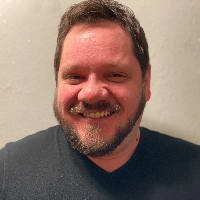
Therapist profile
Brandon Bunker, LCMHC, LPC
Utah
Licensed counselor - Codependency and relationships
Continue with BrandonWhere Brandon stands
- Credentials
- LCMHC, LPC
- License
- LCMHC, Utah / 8287475-6004; LPC, Virginia / 0701013816
- NPI
- 1245606409
- Experience
- 11 years
- Languages
- English
- Location
- Utah
About
- Codependency support
- Trauma informed tools
- Communication skills
About Brandon
Brandon Bunker is a Licensed Clinical Mental Health Counselor (LCMHC) and a Licensed Professional Counselor (LPC) practicing in Utah with 11 years of experience. He focuses on stress, anxiety, depression, trauma and abuse, relationship and intimacy concerns, addictions, and LGBTQ matters. He also works with people dealing with codependency, attachment wounds, parenting strain, career stress, and compassion fatigue.
Brandon uses straightforward conversation to sort out what feels stuck. Sessions tend to look like focused talk, practical skills practice, and checking how new ways of relating fit in daily life. He pays attention to patterns that show up again and again - for example people-pleasing, trouble saying no, and getting lost in other people’s needs.
He draws on a few established approaches to help people change unhelpful patterns. That can mean learning to notice painful thoughts without acting on them, practicing clearer communication, or tracking how early family relationships shape current bonds. He mixes ideas from Acceptance and Commitment Therapy, attachment work, client-centered methods, cognitive behavioral tools, and emotionally-focused techniques.
Sessions are meant to be practical and action-oriented while still addressing difficult feelings. Brandon helps people build stronger boundaries, manage anxiety, and navigate relationship stress without blaming. He also supports work on intimacy-related issues and recovery from trauma and addiction.
People who reach out are usually looking for change that fits their everyday life. To begin, clients use the site button to complete a short matching questionnaire and schedule a first session.
How sessions work
Therapeutic approaches Brandon brings to online work
Brandon uses Acceptance and Commitment Therapy to help people notice painful thoughts and focus on actions that align with their values. ACT can be useful for anxiety, depression, and patterns like people-pleasing where values get buried.He also uses Attachment-Based Therapy to look at how early relationships shape current ways of relating. This work helps when trust, abandonment worries, or repeating partner conflicts are getting in the way of connection.
Finding the right approach is part of the work. Brandon will discuss your goals and preferences and help decide which methods to emphasize. That decision is collaborative and can change as progress is made.
Confirm the specific online session options before booking since formats are not listed in this biography. Online sessions can make it easier to fit therapy into a busy week, reduce commute time, and allow shorter check-ins when schedules require it. Therapists and licensed professionals often adapt exercises, exposure tasks, and communication practice so they work in a remote session and fit into everyday life.
Areas of focus
Areas of expertise
Primary focus
Also works with
Additional focus areas
Therapeutic approaches
Experience
11+ years
Listed in
Utah, Virginia
Languages
English
Questions
Frequently asked questions
What concerns does he work with?
He works with stress, anxiety, depression, trauma, relationship and intimacy problems, addictions, LGBTQ issues, and codependency among other concerns.
What is his therapeutic style?
His style is client-centered and practical, combining talk with skill practice from several approaches to change repeating patterns.
How long has he been practicing?
He has 11 years of clinical experience working with a range of emotional and relationship issues.
What are his credentials and where is he based?
He holds LCMHC and LPC credentials and practices in Utah.
Which languages are supported?
Sessions are offered in English.
Does he work with clients outside the United States?
He is not currently accepting international clients.
How are sessions delivered?
Please confirm current session formats before booking by using the site options, as formats are not specified here.
How does payment and cost work?
Cost varies with location and sessions use a subscription that can be canceled at any time.
Details come from information the therapist supplied to BetterHelp. A license can be checked with the state board.
Online talk therapy is not emergency care. If you are not safe at home, use the crisis and helpline numbers.