
Velma Jones
LCSWNew York · 29 yrs exp
LCSW focused on relationships and coping
Stress, Anxiety · Relationship · Trauma and abuse · Depression · +10 more
Read profileTherapist listings are provided by BetterHelp. We will earn a commission at no additional cost to you if you use our links to purchase.
This page gathers profiles of clinicians who list Narcissism as a focus alongside codependency and people-pleasing, so you can see how practitioners describe their experience. Compare listed location, therapeutic approaches, languages, credentials and practice style, then browse profiles to decide who to contact.
New York · 29 yrs exp
LCSW focused on relationships and coping
Stress, Anxiety · Relationship · Trauma and abuse · Depression · +10 more
Read profile
Texas · 13 yrs exp
Licensed Clinical Social Worker - Relationships and Trauma
Stress, Anxiety · Relationship · Trauma and abuse · Anger · +11 more
Read profile
Colorado · 15 yrs exp
Licensed Professional Counselor - Relationships and Codependency
Stress, Anxiety · Relationship · Intimacy-related issues · Self esteem · +10 more
Read profile
Texas · 15 yrs exp
Licensed Professional Counselor - Relationships and Addictions
Addictions · Relationship · Trauma and abuse · Grief · +13 more
Read profile
Texas · 12 yrs exp
LMFT - Relationships and Codependency
Stress, Anxiety · Addictions · Relationship · Grief · +11 more
Read profile
North Carolina · 10 yrs exp
LCSW counselor - relationships and codependency
Stress, Anxiety · Relationship · Family · Bipolar · +16 more
Read profile
Missouri · 7 yrs exp
Licensed Professional Counselor - Anxiety and Addictions
Stress, Anxiety · Addictions · Relationship · Self esteem · +13 more
Read profile
Texas · 11 yrs exp
Licensed Professional Counselor - Relationships and Anxiety
Stress, Anxiety · Relationship · Family · Parenting · +9 more
Read profile
North Carolina · 13 yrs exp
LCSW - Relationships and Confidence
Stress, Anxiety · Relationship · Family · Self esteem · +13 more
Read profile
Texas · 22 yrs exp
Dr. Ngozi Okose - LPC, relationship and anxiety work
Stress, Anxiety · Relationship · Trauma and abuse · Depression · +16 more
Read profile
Georgia · 25 yrs exp
LISW LCSW - Relationships and Codependency
Stress, Anxiety · Parenting · Anger · Self esteem · +15 more
Read profile
Wisconsin · 17 yrs exp
Licensed Professional Counselor - Relationships and Codependency
Stress, Anxiety · Relationship · Trauma and abuse · Self esteem · +11 more
Read profile
New York · 14 yrs exp
Licensed Clinical Social Worker - Anxiety and Relationships
Stress, Anxiety · Trauma and abuse · Grief · Depression · +6 more
Read profile
Ohio · 17 yrs exp
LISW in Ohio - relationships and codependency
Stress, Anxiety · Family · Parenting · Depression · +12 more
Read profile
Michigan · 31 yrs exp
LMSW - relationships and stress
Stress, Anxiety · Family · Trauma and abuse · Self esteem · +16 more
Read profile
Kansas · 17 yrs exp
Licensed Clinical Professional Counselor - Relationships and Coping
Stress, Anxiety · Relationship · Family · Anger · +10 more
Read profile
Colorado · 15 yrs exp
LCSW - Anxiety and Codependency supports
Stress, Anxiety · Grief · Depression · Coping with life changes · +10 more
Read profile
Oklahoma · 20 yrs exp
Licensed Professional Counselor - Addiction and Trauma
Stress, Anxiety · Addictions · Trauma and abuse · Anger · +8 more
Read profile
New York · 25 yrs exp
LCSW - Anxiety and Codependency concerns
Stress, Anxiety · Grief · Anger · Self esteem · +6 more
Read profile
Missouri · 16 yrs exp
Licensed Professional Counselor - Stress and relationships
Stress, Anxiety · Relationship · Family · Self esteem · +2 more
Read profile
Florida · 20 yrs exp
LMHC in Florida - Stress and Relationships
Stress, Anxiety · Relationship · Grief · Self esteem · +1 more
Read profile
Indiana · 12 yrs exp
LCSW counselor - codependency and mood concerns
Stress, Anxiety · Trauma and abuse · Self esteem · Bipolar · +10 more
Read profile
South Carolina · 8 yrs exp
Licensed Professional Counselor - trauma and relationships
Stress, Anxiety · Trauma and abuse · Self esteem · Depression · +16 more
Read profile
Florida · 18 yrs exp
LMHC - Relationships and Mood Concerns
Stress, Anxiety · Parenting · Anger · Self esteem · +13 more
Read profile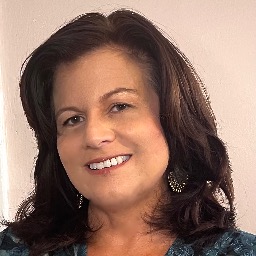
Florida · 25 yrs exp
LCSW working with mood and relationship concerns
Stress, Anxiety · Addictions · Grief · Bipolar · +5 more
Read profile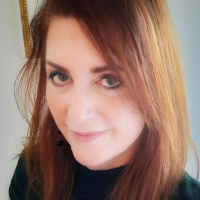
Texas · 19 yrs exp
Licensed counselor - Relationships and Stress
Stress, Anxiety · Relationship · Family · Trauma and abuse · +12 more
Read profile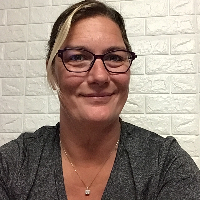
Indiana · 11 yrs exp
LMHC in Indiana - Codependency and relationships
Stress, Anxiety · Addictions · Trauma and abuse · Parenting · +14 more
Read profile
Kentucky · 8 yrs exp
LCSW - Anxiety and Relationship support
Stress, Anxiety · Relationship · Family · Trauma and abuse · +5 more
Read profile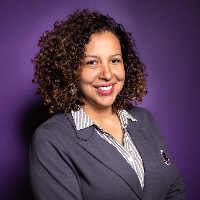
Texas · 15 yrs exp
Licensed Professional Counselor - Anxiety and Relationship Concerns
Stress, Anxiety · Grief · Self esteem · Depression · +13 more
Read profile
Missouri · 20 yrs exp
LPC in Missouri - relationships and trauma
Stress, Anxiety · Relationship · Family · Trauma and abuse · +4 more
Read profile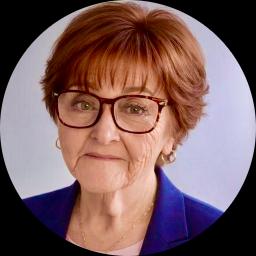
New Jersey · 23 yrs exp
Licensed Professional Counselor - Relationships and Grief
Relationship · Grief · Parenting · Anger · +10 more
Read profile
New York · 25 yrs exp
LCSW - Relationships and Codependency
Stress, Anxiety · Relationship · Family · Trauma and abuse · +15 more
Read profile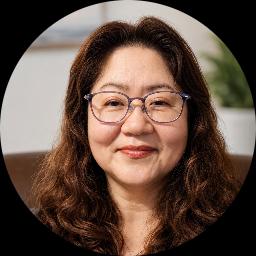
Texas · 13 yrs exp
Licensed Professional Counselor - Relationships and ADHD
Stress, Anxiety · Relationship · Family · Parenting · +14 more
Read profile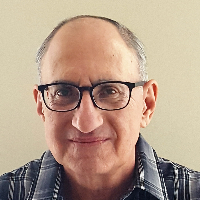
Florida · 20 yrs exp
LCSW - Relationships and Emotional Health
Stress, Anxiety · Relationship · Family · Trauma and abuse · +16 more
Read profile
Utah · 30 yrs exp
LICSW counselor - Codependency and trauma
Stress, Anxiety · Trauma and abuse · Grief · Anger · +1 more
Read profile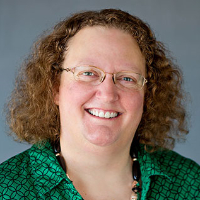
Texas · 21 yrs exp
LMFT in Texas - trauma and life changes
Trauma and abuse · Parenting · Self esteem · Depression · +8 more
Read profile
Texas · 12 yrs exp
Licensed Professional Counselor - Relationships and Stress
Stress, Anxiety · Addictions · Relationship · Trauma and abuse · +14 more
Read profile
Wisconsin · 8 yrs exp
LPC counselor for relationships and stress
Stress, Anxiety · Relationship · Self esteem · Career · +10 more
Read profile
Missouri · 8 yrs exp
Licensed Professional Counselor - Stress and Addictions
Stress, Anxiety · Addictions · LGBT · Trauma and abuse · +15 more
Read profile
Arizona · 25 yrs exp
Licensed Professional Counselor - Relationships and Addictions
Stress, Anxiety · Addictions · Relationship · Trauma and abuse · +11 more
Read profile
Illinois · 18 yrs exp
LCPC focusing on relationships and addiction
Stress, Anxiety · Addictions · Trauma and abuse · Anger · +12 more
Read profile
Louisiana · 11 yrs exp
Licensed Clinical Social Worker - Stress and Addictions
Stress, Anxiety · Addictions · LGBT · Trauma and abuse · +12 more
Read profile
Florida · 10 yrs exp
Licensed Mental Health Counselor - Anxiety and Codependency
Stress, Anxiety · Addictions · Anger · Bipolar · +11 more
Read profile
Colorado · 18 yrs exp
LPC and LCPC - Stress and Relationship Concerns
Stress, Anxiety · Addictions · Relationship · Self esteem · +15 more
Read profile
Massachusetts · 27 yrs exp
MA LMHC - Relationships and Codependency
Stress, Anxiety · Relationship · Trauma and abuse · Grief · +12 more
Read profile
Utah · 14 yrs exp
Licensed counselor for addiction and trauma
Stress, Anxiety · Addictions · Relationship · Depression · +14 more
Read profile
Missouri · 15 yrs exp
LPC in Missouri - Stress and Relationship Concerns
Stress, Anxiety · Grief · Parenting · Depression · +1 more
Read profile
Virginia · 30 yrs exp
LCSW - Relationships and Anxiety
Stress, Anxiety · Relationship · Grief · Depression · +16 more
Read profile
Mississippi · 20 yrs exp
Licensed counselor - relationships and codependency
Stress, Anxiety · Relationship · Trauma and abuse · Anger · +10 more
Read profile
Indiana · 5 yrs exp
LMHC in Indiana - Relationships and Codependency
Stress, Anxiety · Relationship · Self esteem · Depression · +7 more
Read profile
Florida · 42 yrs exp
LCSW - Stress and Relationship Concerns
Stress, Anxiety · Addictions · Relationship · Trauma and abuse · +15 more
Read profile
Texas · 16 yrs exp
Licensed Professional Counselor - Relationships and Trauma
Stress, Anxiety · Addictions · Relationship · Trauma and abuse · +9 more
Read profile
Louisiana · 9 yrs exp
Licensed Professional Counselor - stress and codependency concerns
Stress, Anxiety · Self esteem · Depression · Coping with life changes · +11 more
Read profile
Kentucky · 11 yrs exp
LCSW - Stress and relationship concerns
Stress, Anxiety · Trauma and abuse · Anger · Self esteem · +11 more
Read profile
Colorado · 8 yrs exp
LPC in Colorado - Relationships and Codependency
Stress, Anxiety · Trauma and abuse · Grief · Self esteem · +14 more
Read profile
New Jersey · 38 yrs exp
Dr. Gagan Luthra - LPC, CSW, addictions and relationship concerns
Stress, Anxiety · Addictions · LGBT · Trauma and abuse · +13 more
Read profile
Texas · 20 yrs exp
Licensed Professional Counselor - Relationships and Anxiety
Stress, Anxiety · Relationship · Depression · Coping with life changes · +12 more
Read profile
Illinois · 23 yrs exp
Licensed counselor - Mood and relationships
Stress, Anxiety · Trauma and abuse · Anger · Bipolar · +11 more
Read profile
Iowa · 15 yrs exp
LMHC in Iowa - anxiety and codependency support
Stress, Anxiety · Addictions · Trauma and abuse · Grief · +11 more
Read profile
Kentucky · 10 yrs exp
LPCC counselor - family and relationships
Family · Grief · Parenting · Self esteem · +9 more
Read profileWhen you spend a lot of time prioritising other people - smoothing tensions, saying yes when you want to say no, or arranging your life around someone else - you may find yourself looking for help around patterns often described as codependency or people-pleasing. Narcissism is a term people use to describe patterns of behaviour that can include self-centredness, attention-seeking or difficulty with empathy. Those patterns can shape the emotional climate of a relationship and the roles people fall into.
You do not need to accept any fixed label for yourself or another person to seek support. Codependency is a pattern rather than a diagnosis, and a profile that lists Narcissism does not prove clinical expertise or a particular outcome. Profiles let you see how clinicians talk about their focus areas, their languages and their approaches, so you can choose whom to contact to discuss the specifics of your situation.
Relationships where one person seeks constant validation or minimises the other person’s needs can create a cycle of caretaking and over-accommodation. If you find yourself habitually adjusting your preferences, avoiding conflict, or absorbing responsibility for someone else’s moods or crises, those behaviours may feel like survival strategies that later cause frustration, exhaustion or loss of self. At the same time, behaviours associated with narcissism in another person - such as expecting special treatment or dismissing your feelings - can intensify those patterns.
It is important not to assume that one pattern causes the other in every situation. Many factors contribute to how you relate to others - past relationships, cultural expectations, workplace dynamics and personal values all play a part. On this directory page you can look for clinicians who explicitly mention working with relationship dynamics, boundaries or codependency alongside Narcissism. Use an initial conversation with a clinician to explore how they describe the interplay of these patterns and whether their approach resonates with what you want to work on.
When you review profiles, note the kinds of approaches a clinician lists and prepare specific questions that matter to you. Instead of asking whether they are “trained,” ask how they typically work with people who have difficulty saying no or who feel overwhelmed by another person’s needs. You might ask how they help people strengthen boundaries, how they support clients who are managing guilt or fear after setting limits, or how they work with relationship dynamics that include narcissistic traits.
Ask practical questions about the clinician’s areas of focus and experience. For example, you could ask how often they work with adult survivors of controlling relationships, whether they have experience discussing emotional abuse and safety planning, and what kinds of therapeutic approaches they use with similar concerns. If a profile lists specific approaches among their methods, you can ask what a typical early session looks like and how goals are defined. Clarify whether the clinician describes experience with individuals only, or with couples or family work, since a listed topic does not automatically indicate work with partners or children.
If you are considering online sessions, raise practical matters before your first appointment. Discuss how the clinician handles privacy and data protection, whether they work across state or national lines, and what steps you should take if you are in immediate crisis during an online appointment. If you are located in the United States, the United Kingdom or Australia, note that regulations, registration and professional oversight vary by country and by jurisdiction. Ask whether the clinician is authorised to provide care where you are located and how they manage emergency planning if you are at risk.
If you feel unsafe at home, prioritise immediate help: contact local emergency services - for example 911 in the United States, 999 in the United Kingdom, or 000 in Australia - or reach out to a domestic abuse helpline in your country. A clinician can help with safety planning, but they cannot guarantee legal protection or change another person’s behaviour, and urgent threats should be addressed by emergency responders and local support services. Before starting online work, also discuss the technology you will use, whether sessions are recorded or documented, how scheduling and cancellations are handled, and what language supports or interpreters are available if you need them.
Profiles contain several pieces of information that help you narrow your choices. Focus areas indicate what the clinician lists as common topics they address, but a listed focus is not the same as a formal certification. When you compare focus areas, look for language that describes how the clinician frames their work - whether they emphasise boundaries, emotion regulation, trauma-informed care, or relational dynamics. That description can give you a sense of whether their perspective aligns with how you want to approach change.
Credentials and professional status are separate from academic degrees. A profile may show academic degrees such as PhD, PsyD, MD, MA or MSW, which describe education. In the United States many clinicians also hold a state license with titles like LCSW, LPC, LMFT or psychologist license; in the United Kingdom clinicians may show professional registration or membership with UK bodies; in Australia a clinician may list registration with national boards or membership in Australian professional associations. A degree alone does not establish current permission to practise in a jurisdiction. If a profile lists a credential you want to understand better, ask the clinician how that credential relates to their scope of practice and the rules that apply where you live.
Language and practice style matter. If you prefer a direct, skills-based approach, look for profiles that describe practical tools or behavioural strategies. If you want a more reflective, exploratory style, look for clinicians who describe relational or emotion-focused work. Notice the languages listed on profiles if you need a clinician who shares your first language. Finally, use initial conversations to sense whether the clinician’s communication and expectations fit your needs - for example, how they set boundaries around session time, how they handle homework or between-session contact, and how they involve you in setting priorities. Those are useful comparison points that go beyond titles and help you decide whom to contact for an introductory discussion.
Searching for a clinician who lists Narcissism alongside codependency and people-pleasing gives you a place to start. Use the profiles to compare listed location, approach descriptions, languages and credentials, and then reach out to ask direct questions about experience, scope and how a clinician would work with the patterns you are experiencing. Remember that a profile’s listed topics do not prove a specific qualification or guarantee particular outcomes, and that discussing your goals and safety needs directly with a clinician is the clearest way to learn whether they might be a fit.
If you are in immediate danger, call emergency services or your local domestic abuse helpline. Otherwise, use the information on this page to prepare concise questions, prioritise what matters most to you in a therapeutic relationship, and browse profiles to make initial contact. Taking those steps can help you find a clinician whose approach matches how you want to address boundaries, self-worth and relationship dynamics.
Alabama
72 therapists
Alaska
9 therapists
Arizona
83 therapists
Arkansas
38 therapists
Australia
111 therapists
California
415 therapists
Colorado
131 therapists
Connecticut
39 therapists
Delaware
9 therapists
District of Columbia
7 therapists
Florida
603 therapists
Georgia
130 therapists
Hawaii
17 therapists
Idaho
39 therapists
Illinois
156 therapists
Indiana
94 therapists
Iowa
30 therapists
Kansas
37 therapists
Kentucky
82 therapists
Louisiana
90 therapists
Maine
17 therapists
Maryland
43 therapists
Massachusetts
58 therapists
Michigan
157 therapists
Minnesota
80 therapists
Mississippi
52 therapists
Missouri
156 therapists
Montana
31 therapists
Nebraska
28 therapists
Nevada
32 therapists
New Hampshire
12 therapists
New Jersey
113 therapists
New Mexico
24 therapists
New York
234 therapists
North Carolina
189 therapists
North Dakota
3 therapists
Ohio
131 therapists
Oklahoma
88 therapists
Oregon
37 therapists
Pennsylvania
188 therapists
Rhode Island
8 therapists
South Carolina
100 therapists
South Dakota
12 therapists
Tennessee
85 therapists
Texas
508 therapists
United Kingdom
1067 therapists
Utah
57 therapists
Vermont
9 therapists
Virginia
84 therapists
Washington
70 therapists
West Virginia
22 therapists
Wisconsin
86 therapists
Wyoming
17 therapists