Velma Jones
LCSWNew York · 29 yrs exp
LCSW focused on relationships and coping
Stress, Anxiety · Relationship · Trauma and abuse · Depression · +10 more
Read profileTherapist listings are provided by BetterHelp. We will earn a commission at no additional cost to you if you use our links to purchase.
You can compare profiles of therapists who list infidelity among their focus areas alongside codependency and people-pleasing concerns. Browse listed profiles to compare approaches, credentials, languages, and the listed location to find a therapist who fits your needs.
New York · 29 yrs exp
LCSW focused on relationships and coping
Stress, Anxiety · Relationship · Trauma and abuse · Depression · +10 more
Read profile
Oklahoma · 21 yrs exp
LMFT in Oklahoma - relationships and mood
Stress, Anxiety · Relationship · Family · Self esteem · +8 more
Read profile
Texas · 13 yrs exp
Licensed Clinical Social Worker - Relationships and Trauma
Stress, Anxiety · Relationship · Trauma and abuse · Anger · +11 more
Read profile
Colorado · 15 yrs exp
Licensed Professional Counselor - Relationships and Codependency
Stress, Anxiety · Relationship · Intimacy-related issues · Self esteem · +10 more
Read profile
Louisiana · 7 yrs exp
Licensed Professional Counselor - Relationships and Trauma
Stress, Anxiety · Family · Trauma and abuse · Parenting · +15 more
Read profile
Florida · 25 yrs exp
LMHC in Florida - Relationships and Trauma
Relationship · Trauma and abuse · Grief · Anger · +12 more
Read profile
Florida · 7 yrs exp
Licensed counselor - addictions and relationships
Addictions · Relationship · Family · Trauma and abuse · +13 more
Read profile
Texas · 12 yrs exp
LMFT - Relationships and Codependency
Stress, Anxiety · Addictions · Relationship · Grief · +11 more
Read profile
New York · 5 yrs exp
LMHC in New York - mood and relationship concerns
Stress, Anxiety · LGBT · Trauma and abuse · Bipolar · +12 more
Read profile
Pennsylvania · 12 yrs exp
LMHC and LPCC - Relationships and Codependency
Stress, Anxiety · Relationship · Self esteem · Depression · +11 more
Read profile
North Carolina · 10 yrs exp
LCSW counselor - relationships and codependency
Stress, Anxiety · Relationship · Family · Bipolar · +16 more
Read profile
Texas · 17 yrs exp
Licensed Professional Counselor - Stress and Relationships
Stress, Anxiety · Family · Depression · Coping with life changes · +12 more
Read profile
Florida · 12 yrs exp
LMHC in Florida - Relationships and Mood
Stress, Anxiety · Relationship · Intimacy-related issues · Depression · +8 more
Read profile
Florida · 15 yrs exp
Licensed Clinical Social Worker - Relationships and Intimacy
Relationship · Family · Intimacy-related issues · Coaching · +4 more
Read profile
Missouri · 7 yrs exp
Licensed Professional Counselor - Anxiety and Addictions
Stress, Anxiety · Addictions · Relationship · Self esteem · +13 more
Read profile
Louisiana · 10 yrs exp
LPC in Louisiana - Relationships and Anxiety
Stress, Anxiety · Relationship · Family · Depression · +12 more
Read profile
Texas · 10 yrs exp
Licensed Professional Counselor - Relationships and Codependency
Stress, Anxiety · Relationship · Family · Depression · +14 more
Read profile
Wisconsin · 8 yrs exp
LPC in Wisconsin focused on relationships and codependency
Relationship · Intimacy-related issues · Coping with life changes · Stress, Anxiety · +8 more
Read profile
Texas · 11 yrs exp
Licensed Professional Counselor - Relationships and Anxiety
Stress, Anxiety · Relationship · Family · Parenting · +9 more
Read profile
Ohio · 33 yrs exp
LPCC in Ohio - Trauma and Codependency support
Stress, Anxiety · Family · Trauma and abuse · Self esteem · +12 more
Read profile
Illinois · 10 yrs exp
Licensed counselor - relationships and codependency
Stress, Anxiety · LGBT · Relationship · Trauma and abuse · +10 more
Read profile
Washington · 12 yrs exp
LMHC in Washington - Relationships and Codependency
Stress, Anxiety · Relationship · Family · Self esteem · +15 more
Read profile
Missouri · 14 yrs exp
Licensed Professional Counselor - Relationships and Codependency
Stress, Anxiety · Self esteem · Career · Depression · +13 more
Read profile
Texas · 22 yrs exp
Dr. Ngozi Okose - LPC, relationship and anxiety work
Stress, Anxiety · Relationship · Trauma and abuse · Depression · +16 more
Read profile
Kentucky · 11 yrs exp
Licensed Marriage and Family Therapist - Relationships and Codependency
Stress, Anxiety · Relationship · Family · Self esteem · +9 more
Read profile
Tennessee · 28 yrs exp
Tennessee psychologist - relationships and mood
Stress, Anxiety · Relationship · Grief · Depression · +10 more
Read profile
New Jersey · 8 yrs exp
LCSW - Anxiety and Relationship Concerns
Stress, Anxiety · Relationship · Trauma and abuse · Bipolar · +14 more
Read profile
Tennessee · 35 yrs exp
Licensed Clinical Social Worker - Stress and Relationships
Stress, Anxiety · Grief · Self esteem · Depression · +8 more
Read profile
Georgia · 25 yrs exp
LISW LCSW - Relationships and Codependency
Stress, Anxiety · Parenting · Anger · Self esteem · +15 more
Read profile
Texas · 18 yrs exp
Licensed Professional Counselor - Codependency and Relationships
Stress, Anxiety · Relationship · Family · Parenting · +9 more
Read profile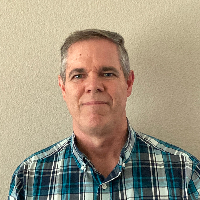
Texas · 33 yrs exp
LCSW - Relationships and Stress
Stress, Anxiety · Relationship · Family · Self esteem · +11 more
Read profile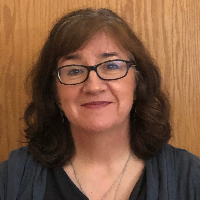
Wisconsin · 17 yrs exp
Licensed Professional Counselor - Relationships and Codependency
Stress, Anxiety · Relationship · Trauma and abuse · Self esteem · +11 more
Read profile
South Carolina · 20 yrs exp
Licensed Independent Social Worker - Relationships and Eating Issues
Stress, Anxiety · Relationship · Eating · Self esteem · +10 more
Read profile
Colorado · 9 yrs exp
Licensed Clinical Social Worker - Relationships and Codependency
Stress, Anxiety · Relationship · Grief · Depression · +11 more
Read profile
Louisiana · 10 yrs exp
LPC in Louisiana - relationships and mood work
Stress, Anxiety · Trauma and abuse · Anger · Self esteem · +12 more
Read profile
Ohio · 17 yrs exp
LISW in Ohio - relationships and codependency
Stress, Anxiety · Family · Parenting · Depression · +12 more
Read profile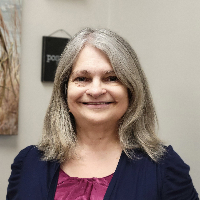
Illinois · 38 yrs exp
LCPC in Illinois - Codependency and Anxiety
Stress, Anxiety · Self esteem · Depression · Coping with life changes · +9 more
Read profile
Michigan · 31 yrs exp
LMSW - relationships and stress
Stress, Anxiety · Family · Trauma and abuse · Self esteem · +16 more
Read profile
New York · 15 yrs exp
Licensed Clinical Social Worker - Relationships and Addictions
Stress, Anxiety · Addictions · Relationship · Self esteem · +10 more
Read profile
Georgia · 7 yrs exp
Licensed therapist - Relationships and Codependency
Stress, Anxiety · Relationship · Intimacy-related issues · Anger · +11 more
Read profile
Kansas · 17 yrs exp
Licensed Clinical Professional Counselor - Relationships and Coping
Stress, Anxiety · Relationship · Family · Anger · +10 more
Read profile
Mississippi · 36 yrs exp
LCSW - Family and Codependency concerns
Family · Parenting · Anger · Self esteem · +11 more
Read profile
North Carolina · 30 yrs exp
Licensed counselor for anxiety and trauma
Stress, Anxiety · Addictions · LGBT · Trauma and abuse · +1 more
Read profile
Texas · 26 yrs exp
LPC in Texas - Relationship and Stress concerns
Stress, Anxiety · Relationship · Trauma and abuse · Grief · +11 more
Read profile
Florida · 20 yrs exp
LMHC in Florida - Stress and Relationships
Stress, Anxiety · Relationship · Grief · Self esteem · +1 more
Read profile
Georgia · 27 yrs exp
Licensed Professional Counselor - Anxiety and Relationships
Stress, Anxiety · Trauma and abuse · Bipolar · Depression · +16 more
Read profile
Indiana · 12 yrs exp
LCSW counselor - codependency and mood concerns
Stress, Anxiety · Trauma and abuse · Self esteem · Bipolar · +10 more
Read profile
Ohio · 16 yrs exp
LPCC in Ohio - anxiety and relationships
Stress, Anxiety · Depression · Coping with life changes · Addictions · +11 more
Read profile
Florida · 25 yrs exp
LCSW working with mood and relationship concerns
Stress, Anxiety · Addictions · Grief · Bipolar · +5 more
Read profile
Ohio · 13 yrs exp
Ohio LPCC - Anxiety and Addictions
Stress, Anxiety · Addictions · Family · Self esteem · +11 more
Read profile
Florida · 11 yrs exp
Florida LMHC - Anxiety and Relationships
Stress, Anxiety · Relationship · Family · Grief · +7 more
Read profile
South Carolina · 20 yrs exp
Licensed counselor - codependency and relationships
Stress, Anxiety · Relationship · Trauma and abuse · Anger · +11 more
Read profile
Texas · 19 yrs exp
Licensed counselor - Relationships and Stress
Stress, Anxiety · Relationship · Family · Trauma and abuse · +12 more
Read profile
Kentucky · 8 yrs exp
LCSW - Anxiety and Relationship support
Stress, Anxiety · Relationship · Family · Trauma and abuse · +5 more
Read profile
Virginia · 20 yrs exp
VA Psychologist - Codependency and Trauma
Read profile
Missouri · 22 yrs exp
Prof. Michael McGaugh LPC - Anxiety and Relationships
Stress, Anxiety · Family · Trauma and abuse · Grief · +13 more
Read profile
Texas · 15 yrs exp
Licensed Professional Counselor - Anxiety and Relationship Concerns
Stress, Anxiety · Grief · Self esteem · Depression · +13 more
Read profile
Missouri · 20 yrs exp
LPC in Missouri - relationships and trauma
Stress, Anxiety · Relationship · Family · Trauma and abuse · +4 more
Read profile
Colorado · 22 yrs exp
Licensed Clinical Social Worker - Relationships and Trauma
Stress, Anxiety · Relationship · Trauma and abuse · Depression · +16 more
Read profile
New Jersey · 23 yrs exp
Licensed Professional Counselor - Relationships and Grief
Relationship · Grief · Parenting · Anger · +10 more
Read profileWhen infidelity touches a relationship it often raises intense emotions - loss, anger, shame, confusion, and a re-evaluation of trust and roles. If you tend to put others first, have difficulty saying no, or find your self-worth tied to another person, those people-pleasing patterns can shape how you experience and respond to betrayal. You may find yourself minimizing your own needs to preserve the relationship, or alternating between caretaking and withdrawal. It is useful to know that codependency is described as a pattern of relating rather than a formal diagnosis. That means you and a therapist can explore habits, boundaries, and patterns of communication without assuming one single cause for what happened.
As you read profiles, look for therapists who list both infidelity and codependency or people-pleasing among their focus areas if that combination reflects your concerns. Profiles may note approaches, degrees, or populations worked with, but those details are starting points for a conversation. You will want a practitioner who listens to how the event affected you and helps you clarify what you want next - whether that means rebuilding trust with clearer boundaries or making a different choice for yourself.
Infidelity does not have a single cause and it does not automatically stem from one partner's character. For people who habitually prioritize others, an affair may intensify pre-existing patterns rather than explain them. You might notice yourself taking responsibility for the partner's behavior, rationalizing the affair, or over-flexing to keep the relationship together. Those reactions are understandable ways of trying to manage emotional risk, and a therapist can help you see how they fit into longer-term patterns.
At the same time, infidelity can reveal unmet needs, communication breakdowns, or boundary erosion that existed before the event. Exploring those themes does not mean you are to blame for another person’s decisions. If you share concerns about power dynamics, emotional dependences, or repeated cycles of betrayal and repair, mention those in the profile messages or initial conversations. A professional perspective can help you separate what you can influence - like setting clearer limits or tending to your own needs - from what is outside your control.
When you contact someone from the listings, you can use direct questions to assess how they might work with your situation. Ask how they typically help people who are coping with infidelity and also describe themselves as people-pleasing or codependent. A useful question is: How do you support someone who wants to rebuild boundaries after betrayal? Another telling question is: What populations or relationship patterns have you worked with most related to infidelity and chronic caretaking? You can also ask whether they focus primarily on individuals, couples, or both, and how they differentiate those offerings in practice.
It is reasonable to ask about the approaches a therapist lists on their profile in a way that clarifies fit rather than assumes certification. For example, you might say: I see you list EMDR among your approaches - how might that be used with someone recovering from relational betrayal? Or: How do you integrate work on self-worth and boundary-setting into your sessions? You can inquire about how they handle situations where one partner wants to continue the relationship and the other does not, and what kind of timeframes or session structure they typically discuss when focused on trust and safety issues. These questions help you understand whether a therapist’s style and language match what feels helpful to you.
Before beginning work, clarify logistical and care boundaries that matter to you. Many profiles note a listed location and the languages a therapist speaks, and you should confirm whether they offer in-person sessions in that area, online sessions, or both. If you plan to meet online, ask what platforms they use and how they manage privacy and data handling. You can ask whether they have procedures for crisis situations and what steps they recommend if you feel unsafe between meetings. If you are in immediate danger, call local emergency services or a domestic-abuse helpline in your country rather than relying on an appointment to address urgent risk.
Also discuss scope up front. Ask whether they work with partners together, individually, or both, and whether they will coordinate with other supports you may have. If you have legal, medical, or child-safety questions tied to the relationship, clarify that the therapist is not providing legal or medical advice and talk about how they handle referrals. In addition, ask how they measure progress and how often you might reflect together on goals related to boundaries, communication, and personal wellbeing. These practical conversations create a clearer framework so you know what the initial steps will look like.
Profiles in this directory vary in how they present focus areas and background. To compare effectively, start with the focus areas that matter most to you - infidelity, codependency, people-pleasing, or boundary work - and note which therapists list those topics. Next, look at the credentials and the distinction between academic degrees and permission to practice. Degrees such as PhD, PsyD, MD, MA, or MSW indicate academic training, while professional permission to practice can be described differently depending on country. In the United States you will often see specific licenses listed. In the United Kingdom and Australia profiles may reference registration or membership with professional bodies. A degree alone does not indicate current permission to practice, so use profiles as a prompt to ask about current standing and scope directly when you contact a clinician.
Language and cultural fit matter when discussing sensitive topics like infidelity and patterns of caretaking. If speaking in your preferred language or with someone who understands your cultural background is important to you, prioritize that when scanning profiles. Pay attention to how therapists describe their approach and session style in their own words - some emphasize a gentle, exploratory tone while others frame work in a more directive or skills-focused way. Remember that a profile’s list of approaches may include options you can discuss, such as narrative work, emotion-focused methods, or trauma-informed perspectives. Phrase your comparisons around what you need: Which profile describes a working style that helps you feel heard and able to set new limits? Which professional mentions experience with the specific dynamics you want to address?
Once you identify a few profiles that resonate, the first conversation is a chance to test fit. You can share what brought you here, what patterns you want to change, and what feels most urgent. Ask about how the therapist frames goals for people healing from infidelity and from chronic people-pleasing - do they prioritize coping skills, boundary work, or relational repair? You might also ask how they tend to partner with clients when safety or ongoing contact with a partner is a concern. Those early exchanges will help you evaluate not only credentials and approaches, but whether the person’s tone and explanations make you feel understood.
Choosing a practitioner is a personal decision and one you can revisit. Profiles on this site are intended to help you compare focus areas, approaches, listed location, languages, and credentials so you can begin conversations that reflect your needs. If you ever feel unsafe, call local emergency services or a domestic-abuse support line right away. Otherwise, use the information in profiles as a launch point for honest, practical conversations about boundaries, self-worth, and the next steps you want to take for yourself.
Alabama
72 therapists
Alaska
9 therapists
Arizona
83 therapists
Arkansas
38 therapists
Australia
111 therapists
California
415 therapists
Colorado
131 therapists
Connecticut
39 therapists
Delaware
9 therapists
District of Columbia
7 therapists
Florida
603 therapists
Georgia
130 therapists
Hawaii
17 therapists
Idaho
39 therapists
Illinois
156 therapists
Indiana
94 therapists
Iowa
30 therapists
Kansas
37 therapists
Kentucky
82 therapists
Louisiana
90 therapists
Maine
17 therapists
Maryland
43 therapists
Massachusetts
58 therapists
Michigan
157 therapists
Minnesota
80 therapists
Mississippi
52 therapists
Missouri
156 therapists
Montana
31 therapists
Nebraska
28 therapists
Nevada
32 therapists
New Hampshire
12 therapists
New Jersey
113 therapists
New Mexico
24 therapists
New York
234 therapists
North Carolina
189 therapists
North Dakota
3 therapists
Ohio
131 therapists
Oklahoma
88 therapists
Oregon
37 therapists
Pennsylvania
188 therapists
Rhode Island
8 therapists
South Carolina
100 therapists
South Dakota
12 therapists
Tennessee
85 therapists
Texas
508 therapists
United Kingdom
1067 therapists
Utah
57 therapists
Vermont
9 therapists
Virginia
84 therapists
Washington
70 therapists
West Virginia
22 therapists
Wisconsin
86 therapists
Wyoming
17 therapists