
Velma Jones
LCSWNew York · 29 yrs exp
LCSW focused on relationships and coping
Stress, Anxiety · Relationship · Trauma and abuse · Depression · +10 more
Read profileTherapist listings are provided by BetterHelp. We will earn a commission at no additional cost to you if you use our links to purchase.
Compare profiles of clinicians who list domestic violence, codependency, and people-pleasing among their focus areas. Use listed location, languages, credentials, and stated approaches to narrow options and browse profiles to learn more.
New York · 29 yrs exp
LCSW focused on relationships and coping
Stress, Anxiety · Relationship · Trauma and abuse · Depression · +10 more
Read profile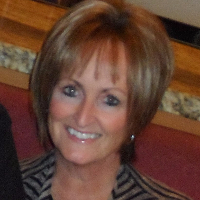
Nevada · 30 yrs exp
Licensed counselor - grief and anxiety
Stress, Anxiety · Grief · Self esteem · Coping with life changes · +14 more
Read profile
Louisiana · 7 yrs exp
Licensed Professional Counselor - Relationships and Trauma
Stress, Anxiety · Family · Trauma and abuse · Parenting · +15 more
Read profile
Florida · 25 yrs exp
LMHC in Florida - Relationships and Trauma
Relationship · Trauma and abuse · Grief · Anger · +12 more
Read profile
Texas · 15 yrs exp
Licensed Professional Counselor - Relationships and Addictions
Addictions · Relationship · Trauma and abuse · Grief · +13 more
Read profile
Florida · 7 yrs exp
Licensed counselor - addictions and relationships
Addictions · Relationship · Family · Trauma and abuse · +13 more
Read profile
Pennsylvania · 12 yrs exp
LMHC and LPCC - Relationships and Codependency
Stress, Anxiety · Relationship · Self esteem · Depression · +11 more
Read profile
North Carolina · 10 yrs exp
LCSW counselor - relationships and codependency
Stress, Anxiety · Relationship · Family · Bipolar · +16 more
Read profile
Missouri · 7 yrs exp
Licensed Professional Counselor - Anxiety and Addictions
Stress, Anxiety · Addictions · Relationship · Self esteem · +13 more
Read profile
Ohio · 33 yrs exp
LPCC in Ohio - Trauma and Codependency support
Stress, Anxiety · Family · Trauma and abuse · Self esteem · +12 more
Read profile
Washington · 12 yrs exp
LMHC in Washington - Relationships and Codependency
Stress, Anxiety · Relationship · Family · Self esteem · +15 more
Read profile
Virginia · 23 yrs exp
Licensed Professional Counselor - trauma and relationships
Stress, Anxiety · Trauma and abuse · Self esteem · Depression · +9 more
Read profile
Texas · 22 yrs exp
Dr. Ngozi Okose - LPC, relationship and anxiety work
Stress, Anxiety · Relationship · Trauma and abuse · Depression · +16 more
Read profile
Mississippi · 12 yrs exp
Licensed Clinical Social Worker - Stress and Addictions
Stress, Anxiety · Addictions · Anger · Self esteem · +12 more
Read profile
New York · 14 yrs exp
Licensed Clinical Social Worker - Anxiety and Relationships
Stress, Anxiety · Trauma and abuse · Grief · Depression · +6 more
Read profile
Ohio · 17 yrs exp
LISW in Ohio - relationships and codependency
Stress, Anxiety · Family · Parenting · Depression · +12 more
Read profile
Illinois · 38 yrs exp
LCPC in Illinois - Codependency and Anxiety
Stress, Anxiety · Self esteem · Depression · Coping with life changes · +9 more
Read profile
Michigan · 31 yrs exp
LMSW - relationships and stress
Stress, Anxiety · Family · Trauma and abuse · Self esteem · +16 more
Read profile
Missouri · 35 yrs exp
LCSW in Missouri - mood and relationship concerns
Stress, Anxiety · Trauma and abuse · Anger · Bipolar · +13 more
Read profile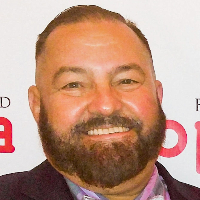
Florida · 32 yrs exp
LMHC in Florida - Relationships and Mood
Stress, Anxiety · Relationship · Trauma and abuse · Bipolar · +8 more
Read profile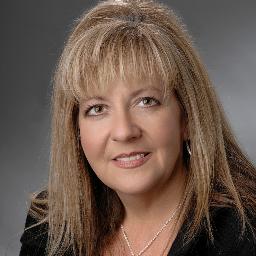
Kansas · 17 yrs exp
Licensed Clinical Professional Counselor - Relationships and Coping
Stress, Anxiety · Relationship · Family · Anger · +10 more
Read profile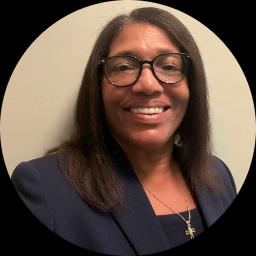
Mississippi · 36 yrs exp
LCSW - Family and Codependency concerns
Family · Parenting · Anger · Self esteem · +11 more
Read profile
Florida · 28 yrs exp
LCSW - Codependency and relationship patterns
Stress, Anxiety · Addictions · Trauma and abuse · Self esteem · +13 more
Read profile
Colorado · 15 yrs exp
LCSW - Anxiety and Codependency supports
Stress, Anxiety · Grief · Depression · Coping with life changes · +10 more
Read profile
Wyoming · 14 yrs exp
LCSW in Wyoming - mood and relationship concerns
Addictions · Relationship · Depression · Coping with life changes · +11 more
Read profile
Oklahoma · 20 yrs exp
Licensed Professional Counselor - Addiction and Trauma
Stress, Anxiety · Addictions · Trauma and abuse · Anger · +8 more
Read profile
New York · 25 yrs exp
LCSW - Anxiety and Codependency concerns
Stress, Anxiety · Grief · Anger · Self esteem · +6 more
Read profile
North Carolina · 30 yrs exp
Licensed counselor for anxiety and trauma
Stress, Anxiety · Addictions · LGBT · Trauma and abuse · +1 more
Read profile
Minnesota · 7 yrs exp
LPCC counselor - Stress and relationships
Stress, Anxiety · LGBT · Trauma and abuse · Self esteem · +9 more
Read profile
Florida · 20 yrs exp
LMHC in Florida - Stress and Relationships
Stress, Anxiety · Relationship · Grief · Self esteem · +1 more
Read profile
Georgia · 27 yrs exp
Licensed Professional Counselor - Anxiety and Relationships
Stress, Anxiety · Trauma and abuse · Bipolar · Depression · +16 more
Read profile
Oklahoma · 27 yrs exp
LPC helping with codependency and related concerns
Stress, Anxiety · Addictions · Parenting · Anger · +11 more
Read profile
North Carolina · 20 yrs exp
Licensed counselor - Anxiety and Addictions
Stress, Anxiety · Parenting · Self esteem · Depression · +15 more
Read profile
South Carolina · 8 yrs exp
Licensed Professional Counselor - trauma and relationships
Stress, Anxiety · Trauma and abuse · Self esteem · Depression · +16 more
Read profile
Florida · 18 yrs exp
LMHC - Relationships and Mood Concerns
Stress, Anxiety · Parenting · Anger · Self esteem · +13 more
Read profile
Illinois · 5 yrs exp
Illinois psychologist for codependency and relationships
Stress, Anxiety · Relationship · Trauma and abuse · Depression · +12 more
Read profile
South Carolina · 20 yrs exp
Licensed counselor - codependency and relationships
Stress, Anxiety · Relationship · Trauma and abuse · Anger · +11 more
Read profile
Texas · 19 yrs exp
Licensed counselor - Relationships and Stress
Stress, Anxiety · Relationship · Family · Trauma and abuse · +12 more
Read profile
Indiana · 11 yrs exp
LMHC in Indiana - Codependency and relationships
Stress, Anxiety · Addictions · Trauma and abuse · Parenting · +14 more
Read profile
Kentucky · 8 yrs exp
LCSW - Anxiety and Relationship support
Stress, Anxiety · Relationship · Family · Trauma and abuse · +5 more
Read profile
Texas · 8 yrs exp
LPC in Texas - Anxiety and Addiction
Stress, Anxiety · Addictions · Trauma and abuse · Self esteem · +11 more
Read profile
North Carolina · 10 yrs exp
LCSW - Stress and Trauma support
Stress, Anxiety · Trauma and abuse · Self esteem · Depression · +1 more
Read profile
Texas · 15 yrs exp
Licensed Professional Counselor - Anxiety and Relationship Concerns
Stress, Anxiety · Grief · Self esteem · Depression · +13 more
Read profile
Missouri · 20 yrs exp
LPC in Missouri - relationships and trauma
Stress, Anxiety · Relationship · Family · Trauma and abuse · +4 more
Read profile
New York · 25 yrs exp
LCSW - Relationships and Codependency
Stress, Anxiety · Relationship · Family · Trauma and abuse · +15 more
Read profile
Texas · 13 yrs exp
Licensed Professional Counselor - Relationships and ADHD
Stress, Anxiety · Relationship · Family · Parenting · +14 more
Read profile
Texas · 16 yrs exp
Licensed Professional Counselor - Stress and Relationships
Stress, Anxiety · Family · Parenting · Bipolar · +11 more
Read profile
Connecticut · 16 yrs exp
LCSW - Stress and relationship struggles
Stress, Anxiety · Addictions · Family · Anger · +14 more
Read profile
Florida · 3 yrs exp
LCSW - Relationship and Codependency support
Stress, Anxiety · Relationship · Trauma and abuse · Parenting · +11 more
Read profile
Texas · 21 yrs exp
LMFT in Texas - trauma and life changes
Trauma and abuse · Parenting · Self esteem · Depression · +8 more
Read profile
Arizona · 40 yrs exp
Licensed Clinical Social Worker - Relationships and Mood
Stress, Anxiety · LGBT · Relationship · Grief · +10 more
Read profile
North Carolina · 15 yrs exp
Doctor of Social Work - Relationships and Trauma
LGBT · Relationship · Family · Parenting · +7 more
Read profile
Nebraska · 34 yrs exp
Licensed Mental Health Practitioner - Relationships and Codependency
Stress, Anxiety · Addictions · Relationship · Family · +12 more
Read profile
California · 30 yrs exp
Licensed Clinical Social Worker - Family and Trauma
Family · Trauma and abuse · Grief · Parenting · +9 more
Read profile
Texas · 12 yrs exp
Licensed Professional Counselor - Relationships and Stress
Stress, Anxiety · Addictions · Relationship · Trauma and abuse · +14 more
Read profile
Mississippi · 20 yrs exp
Licensed Professional Counselor - Anxiety and Codependency
Stress, Anxiety · Addictions · Trauma and abuse · Anger · +14 more
Read profile
Missouri · 8 yrs exp
Licensed Professional Counselor - Stress and Addictions
Stress, Anxiety · Addictions · LGBT · Trauma and abuse · +15 more
Read profile
Arizona · 25 yrs exp
Licensed Professional Counselor - Relationships and Addictions
Stress, Anxiety · Addictions · Relationship · Trauma and abuse · +11 more
Read profile
Florida · 10 yrs exp
LMHC - anxiety and relationship concerns
Stress, Anxiety · Addictions · Relationship · Anger · +7 more
Read profile
Texas · 15 yrs exp
Licensed Professional Counselor - Addictions and Trauma
Addictions · Trauma and abuse · Grief · Anger · +10 more
Read profileIf you find yourself prioritizing someone else at the cost of your own needs, or changing your plans to avoid conflict, those patterns can intersect with experiences of abuse in different ways. Domestic violence involves patterns of power and control that may include physical harm, threats, intimidation, isolation, financial control, or emotional abuse. People-pleasing and codependency describe habitual ways of relating that can leave you feeling drained, responsible for another person’s moods, or hesitant to set boundaries. These are not labels for you as a person; they are ways of describing patterns that affect how you respond to relationships. Many people who have been harmed in relationships also notice long-standing habits of putting others first, and that recognition can be an important starting point for seeking support.
Your immediate safety matters above all else. If you feel unsafe at home, contact local emergency services right away - for example, 911 in the United States, 999 in the United Kingdom, or 000 in Australia - and reach out to a domestic-abuse helpline in your country. If you are considering therapy, a clinician can help with planning for safety and boundaries, but a listing on this site only indicates that an individual lists domestic violence among their focus areas; it does not guarantee a particular service or outcome.
It is common to see overlap between experiences of domestic violence and patterns of people-pleasing or codependency, but one does not automatically cause the other. You might have grown up learning to prioritize others to keep peace, which can make it harder to recognize or respond to coercive or abusive behavior. In other cases, abusive dynamics can intensify patterns of self-neglect because the abusive partner may punish attempts to assert needs. Either way, noticing both the external harm from another person and your own relational patterns can give you clearer topics to explore with a clinician.
When you review profiles, look for language that resonates with your situation rather than assuming a single profile will address every need. Some clinicians explicitly describe experience working with survivors of violence, boundary-setting, or recovery from controlling relationships. Others may list codependency or people-pleasing as additional focus areas. That phrasing signals that the clinician has chosen to mention those topics on their profile, but it does not replace a direct conversation about your priorities and goals. You can bring examples of what feels most challenging now - such as difficulty saying no, arranging daily life around someone else’s crisis, or fear of consequences when asserting yourself - and ask how a clinician frames work in those areas.
When you contact a clinician or read a profile, clear questions help you assess fit. Ask whether they have experience working with people who have experienced domestic abuse and what kinds of issues they commonly work on with those clients. You can inquire about whether they list work with people who struggle with codependency or chronic people-pleasing and ask for examples of approaches they use, phrased as curiosity - for example, therapists who list trauma-focused CBT, EMDR, somatic approaches, or relational and psychodynamic methods among their approaches. Because listings vary, ask whether the clinician tailors their approach to safety planning, boundary-building, and practical decision-making.
Be attentive to how clinicians present credentials. A PhD, PsyD, MD, MA, or MSW denotes an academic degree; a degree alone does not establish current permission to practice. In the United States, clinicians typically hold state-issued licenses or certifications that indicate regulated permission to practice. In the United Kingdom and Australia, practitioners may display registration with national regulators or membership in professional associations. Profiles may include a mix of degrees, registrations, and memberships; if you need clarity, ask the clinician how their credentials relate to the care they provide and whether they are authorized to practice in your jurisdiction.
If you plan to work remotely, plan a conversation about practical and safety-related topics before beginning. Ask about how the clinician handles privacy and what technology platforms they use, so you can decide whether these arrangements feel comfortable for you. Discuss emergency procedures and what steps the clinician would take if you experience a crisis during a session - including whether they will rely on local emergency contacts or services in your listed location. Confirm how the clinician documents safety plans or referrals and whether they can help you connect with local resources, such as shelters, helplines, or legal aid, if needed.
It is reasonable to ask how the clinician manages boundaries around messaging, cancellations, and session structure so you know what to expect. You can also ask about language options, whether they work with particular age groups or relationship types, and how they approach culturally relevant issues. Remember that a profile entry indicating domestic violence or codependency as a focus area is a starting point for conversation. Use your first contact to confirm whether the clinician’s scope of practice aligns with your current needs and safety priorities.
Profiles are tools to help you compare how clinicians describe their work. Pay attention to the specific language used: a clinician who lists "domestic violence" may describe survivor-focused work, safety planning, or advocacy connections, while another who lists "codependency" may emphasize boundary development and identity work. Language about people-pleasing often signals attention to self-worth and assertiveness. Look at which approaches are listed and remember to treat them as topics to discuss rather than guarantees of training. For example, you can note therapists who list EMDR among their approaches or those who describe relational, cognitive, or somatic work, then ask how those approaches would be applied in your case.
Comparing listed location and languages can be important if you want in-person meetings or prefer a clinician who speaks your language. Profiles often show a stated location; if you plan to work across borders, check how the clinician describes their practice regulation or jurisdiction. When looking at credentials, distinguish academic degrees from professional authorizations and ask direct questions about registration or licensing relevant to your country. Finally, think about therapeutic style - whether a clinician emphasizes practical skills, emotion-focused exploration, or systems-level work - and read profile descriptions for tone and emphasis. Those cues can help you identify profiles that merit a deeper conversation about fit and next steps for support.
Alabama
72 therapists
Alaska
9 therapists
Arizona
83 therapists
Arkansas
38 therapists
Australia
111 therapists
California
415 therapists
Colorado
131 therapists
Connecticut
39 therapists
Delaware
9 therapists
District of Columbia
7 therapists
Florida
603 therapists
Georgia
130 therapists
Hawaii
17 therapists
Idaho
39 therapists
Illinois
156 therapists
Indiana
94 therapists
Iowa
30 therapists
Kansas
37 therapists
Kentucky
82 therapists
Louisiana
90 therapists
Maine
17 therapists
Maryland
43 therapists
Massachusetts
58 therapists
Michigan
157 therapists
Minnesota
80 therapists
Mississippi
52 therapists
Missouri
156 therapists
Montana
31 therapists
Nebraska
28 therapists
Nevada
32 therapists
New Hampshire
12 therapists
New Jersey
113 therapists
New Mexico
24 therapists
New York
234 therapists
North Carolina
189 therapists
North Dakota
3 therapists
Ohio
131 therapists
Oklahoma
88 therapists
Oregon
37 therapists
Pennsylvania
188 therapists
Rhode Island
8 therapists
South Carolina
100 therapists
South Dakota
12 therapists
Tennessee
85 therapists
Texas
508 therapists
United Kingdom
1067 therapists
Utah
57 therapists
Vermont
9 therapists
Virginia
84 therapists
Washington
70 therapists
West Virginia
22 therapists
Wisconsin
86 therapists
Wyoming
17 therapists