
Audrey Kelly
LMFTOklahoma · 21 yrs exp
LMFT in Oklahoma - relationships and mood
Stress, Anxiety · Relationship · Family · Self esteem · +8 more
Read profileTherapist listings are provided by BetterHelp. We will earn a commission at no additional cost to you if you use our links to purchase.
Compare profiles of professionals who list Coping with Life Changes together with codependency or people-pleasing as focus areas. Use listed location, approaches, credentials, languages, and practice style to narrow options and browse profiles to learn more.
Oklahoma · 21 yrs exp
LMFT in Oklahoma - relationships and mood
Stress, Anxiety · Relationship · Family · Self esteem · +8 more
Read profile
Illinois · 17 yrs exp
Illinois LCSW - Trauma and Relationships
Trauma and abuse · Coping with life changes · Stress, Anxiety · Relationship · +9 more
Read profile
Texas · 13 yrs exp
Licensed Clinical Social Worker - Relationships and Trauma
Stress, Anxiety · Relationship · Trauma and abuse · Anger · +11 more
Read profile
Nevada · 30 yrs exp
Licensed counselor - grief and anxiety
Stress, Anxiety · Grief · Self esteem · Coping with life changes · +14 more
Read profile
Michigan · 20 yrs exp
Licensed Master Social Worker - Stress and Relationships
Stress, Anxiety · Relationship · Self esteem · Family · +6 more
Read profile
Louisiana · 7 yrs exp
Licensed Professional Counselor - Relationships and Trauma
Stress, Anxiety · Family · Trauma and abuse · Parenting · +15 more
Read profile
Florida · 25 yrs exp
LMHC in Florida - Relationships and Trauma
Relationship · Trauma and abuse · Grief · Anger · +12 more
Read profile
Florida · 7 yrs exp
Licensed counselor - addictions and relationships
Addictions · Relationship · Family · Trauma and abuse · +13 more
Read profile
Texas · 12 yrs exp
LMFT - Relationships and Codependency
Stress, Anxiety · Addictions · Relationship · Grief · +11 more
Read profile
Missouri · 36 yrs exp
Licensed Clinical Social Worker - Relationships and Mood
Stress, Anxiety · Relationship · Trauma and abuse · Intimacy-related issues · +15 more
Read profile
New York · 5 yrs exp
LMHC in New York - mood and relationship concerns
Stress, Anxiety · LGBT · Trauma and abuse · Bipolar · +12 more
Read profile
Pennsylvania · 12 yrs exp
LMHC and LPCC - Relationships and Codependency
Stress, Anxiety · Relationship · Self esteem · Depression · +11 more
Read profile
North Carolina · 10 yrs exp
LCSW counselor - relationships and codependency
Stress, Anxiety · Relationship · Family · Bipolar · +16 more
Read profile
Texas · 17 yrs exp
Licensed Professional Counselor - Stress and Relationships
Stress, Anxiety · Family · Depression · Coping with life changes · +12 more
Read profile
Florida · 12 yrs exp
LMHC in Florida - Relationships and Mood
Stress, Anxiety · Relationship · Intimacy-related issues · Depression · +8 more
Read profile
Florida · 15 yrs exp
Licensed Clinical Social Worker - Relationships and Intimacy
Relationship · Family · Intimacy-related issues · Coaching · +4 more
Read profile
Missouri · 7 yrs exp
Licensed Professional Counselor - Anxiety and Addictions
Stress, Anxiety · Addictions · Relationship · Self esteem · +13 more
Read profile
Louisiana · 10 yrs exp
LPC in Louisiana - Relationships and Anxiety
Stress, Anxiety · Relationship · Family · Depression · +12 more
Read profile
Texas · 10 yrs exp
Licensed Professional Counselor - Relationships and Codependency
Stress, Anxiety · Relationship · Family · Depression · +14 more
Read profile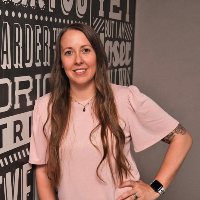
Wisconsin · 8 yrs exp
LPC in Wisconsin focused on relationships and codependency
Relationship · Intimacy-related issues · Coping with life changes · Stress, Anxiety · +8 more
Read profile
Texas · 11 yrs exp
Licensed Professional Counselor - Relationships and Anxiety
Stress, Anxiety · Relationship · Family · Parenting · +9 more
Read profile
Ohio · 33 yrs exp
LPCC in Ohio - Trauma and Codependency support
Stress, Anxiety · Family · Trauma and abuse · Self esteem · +12 more
Read profile
Illinois · 10 yrs exp
Licensed counselor - relationships and codependency
Stress, Anxiety · LGBT · Relationship · Trauma and abuse · +10 more
Read profile
North Carolina · 13 yrs exp
LCSW - Relationships and Confidence
Stress, Anxiety · Relationship · Family · Self esteem · +13 more
Read profile
Washington · 12 yrs exp
LMHC in Washington - Relationships and Codependency
Stress, Anxiety · Relationship · Family · Self esteem · +15 more
Read profile
Florida · 10 yrs exp
LCSW - Relationship and Addiction Concerns
Stress, Anxiety · Addictions · Family · Grief · +8 more
Read profile
South Carolina · 36 yrs exp
LISW-CP counselor - Codependency and mood concerns
Stress, Anxiety · Addictions · Family · Trauma and abuse · +3 more
Read profile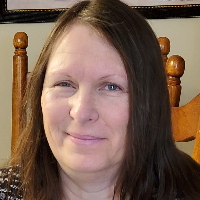
Virginia · 19 yrs exp
Licensed counselor - anxiety and relationships
Stress, Anxiety · Grief · Self esteem · Depression · +11 more
Read profile
Missouri · 14 yrs exp
Licensed Professional Counselor - Relationships and Codependency
Stress, Anxiety · Self esteem · Career · Depression · +13 more
Read profile
Virginia · 23 yrs exp
Licensed Professional Counselor - trauma and relationships
Stress, Anxiety · Trauma and abuse · Self esteem · Depression · +9 more
Read profile
Texas · 22 yrs exp
Dr. Ngozi Okose - LPC, relationship and anxiety work
Stress, Anxiety · Relationship · Trauma and abuse · Depression · +16 more
Read profile
Kentucky · 11 yrs exp
Licensed Marriage and Family Therapist - Relationships and Codependency
Stress, Anxiety · Relationship · Family · Self esteem · +9 more
Read profile
Tennessee · 28 yrs exp
Tennessee psychologist - relationships and mood
Stress, Anxiety · Relationship · Grief · Depression · +10 more
Read profile
New Jersey · 8 yrs exp
LCSW - Anxiety and Relationship Concerns
Stress, Anxiety · Relationship · Trauma and abuse · Bipolar · +14 more
Read profile
Mississippi · 12 yrs exp
Licensed Clinical Social Worker - Stress and Addictions
Stress, Anxiety · Addictions · Anger · Self esteem · +12 more
Read profile
Utah · 6 yrs exp
Licensed counselor - codependency and anxiety
Stress, Anxiety · Trauma and abuse · Self esteem · Depression · +8 more
Read profile
Alabama · 15 yrs exp
Licensed counselor - anxiety and relationships
Stress, Anxiety · Addictions · Relationship · Family · +12 more
Read profile
Tennessee · 35 yrs exp
Licensed Clinical Social Worker - Stress and Relationships
Stress, Anxiety · Grief · Self esteem · Depression · +8 more
Read profile
Georgia · 25 yrs exp
LISW LCSW - Relationships and Codependency
Stress, Anxiety · Parenting · Anger · Self esteem · +15 more
Read profile
Texas · 18 yrs exp
Licensed Professional Counselor - Codependency and Relationships
Stress, Anxiety · Relationship · Family · Parenting · +9 more
Read profile
Nebraska · 25 yrs exp
LMHP in Nebraska - Codependency and Relationships
Stress, Anxiety · Family · Trauma and abuse · Parenting · +12 more
Read profile
Texas · 33 yrs exp
LCSW - Relationships and Stress
Stress, Anxiety · Relationship · Family · Self esteem · +11 more
Read profile
Virginia · 13 yrs exp
Licensed counselor - anxiety and relationships
Stress, Anxiety · Anger · Self esteem · Depression · +9 more
Read profile
Wisconsin · 17 yrs exp
Licensed Professional Counselor - Relationships and Codependency
Stress, Anxiety · Relationship · Trauma and abuse · Self esteem · +11 more
Read profile
South Carolina · 20 yrs exp
Licensed Independent Social Worker - Relationships and Eating Issues
Stress, Anxiety · Relationship · Eating · Self esteem · +10 more
Read profile
Colorado · 9 yrs exp
Licensed Clinical Social Worker - Relationships and Codependency
Stress, Anxiety · Relationship · Grief · Depression · +11 more
Read profile
New York · 14 yrs exp
Licensed Clinical Social Worker - Anxiety and Relationships
Stress, Anxiety · Trauma and abuse · Grief · Depression · +6 more
Read profile
Louisiana · 10 yrs exp
LPC in Louisiana - relationships and mood work
Stress, Anxiety · Trauma and abuse · Anger · Self esteem · +12 more
Read profile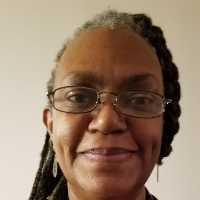
Maryland · 25 yrs exp
Licensed counselor - codependency and addictions
Stress, Anxiety · Addictions · Relationship · Grief · +12 more
Read profile
Michigan · 16 yrs exp
Licensed Professional Counselor - Relationships and Addictions
Stress, Anxiety · Addictions · Relationship · Parenting · +8 more
Read profile
Ohio · 17 yrs exp
LISW in Ohio - relationships and codependency
Stress, Anxiety · Family · Parenting · Depression · +12 more
Read profile
Illinois · 38 yrs exp
LCPC in Illinois - Codependency and Anxiety
Stress, Anxiety · Self esteem · Depression · Coping with life changes · +9 more
Read profile
Oklahoma · 33 yrs exp
Licensed Professional Counselor - Anxiety and Depression
Stress, Anxiety · Depression · Coping with life changes · Relationship · +4 more
Read profile
Florida · 20 yrs exp
LCSW - Codependency and Trauma-focused care
Stress, Anxiety · Addictions · Trauma and abuse · Grief · +14 more
Read profile
Michigan · 31 yrs exp
LMSW - relationships and stress
Stress, Anxiety · Family · Trauma and abuse · Self esteem · +16 more
Read profile
Missouri · 35 yrs exp
LCSW in Missouri - mood and relationship concerns
Stress, Anxiety · Trauma and abuse · Anger · Bipolar · +13 more
Read profile
New York · 15 yrs exp
Licensed Clinical Social Worker - Relationships and Addictions
Stress, Anxiety · Addictions · Relationship · Self esteem · +10 more
Read profile
Florida · 32 yrs exp
LMHC in Florida - Relationships and Mood
Stress, Anxiety · Relationship · Trauma and abuse · Bipolar · +8 more
Read profile
Texas · 10 yrs exp
LMFT focusing on relationships and codependency
Stress, Anxiety · LGBT · Relationship · Grief · +12 more
Read profile
Georgia · 7 yrs exp
Licensed therapist - Relationships and Codependency
Stress, Anxiety · Relationship · Intimacy-related issues · Anger · +11 more
Read profileBig transitions - a breakup, grief, moving, a job change, becoming a caregiver, or shifting family roles - can intensify longstanding habits of putting others first. You may notice yourself agreeing to extra tasks to avoid conflict, smoothing over another person’s distress at your own expense, or feeling lost when a relationship shifts. Codependency describes recurring patterns of behavior and relating, not a clinical label, and people-pleasing is one common expression of those patterns. You deserve plain, practical language about how these dynamics show up during change and what you can begin to do differently.
Rather than promising quick fixes, think of early steps that protect your energy and help you reassess who you want to be in new circumstances. Those steps can look like setting a small boundary with someone who takes up your time, carving out a brief daily moment just for you, or clarifying your priorities when the demands on you increase. In therapy conversations you can explore how past coping strategies developed, what they are buying you now, and what alternatives might feel more sustainable. If you are ever in immediate danger, call emergency services (for example, 911 in the US, 999 in the UK, 000 in Australia) or your local domestic-abuse helpline for urgent support.
People arrive at this page for many reasons. Some are navigating a life transition and noticing that their tendency to lose themselves, say yes to everything, or prioritize someone else’s needs is getting harder to sustain. Others are already working on codependent patterns and want support for a specific change. The directory groups profiles that list Coping with Life Changes alongside codependency or people-pleasing, but a shared listing does not prove a causal relationship. You can use that overlap as a starting point for conversations with a professional rather than as a definitive explanation of why you struggle.
In practice, coping with change and codependency often influence one another. A sudden loss or role shift can reactivate old patterns of caretaking, or existing people-pleasing habits can shape how you respond to new stressors. When you review profiles, look for language that resonates with your situation - whether that is managing grief, adapting to retirement, navigating separation, or adjusting to a partner’s mental health or substance-related challenges. Those details help you identify profiles where the practitioner has signaled they attend to both transition-related work and relational patterns like people-pleasing.
As you compare profiles, prepare a set of concrete questions to help you assess fit. Ask whether the professional works with people who describe themselves as chronic people-pleasers or who want to change habitual caretaking. Ask what kinds of issues related to life transitions they have supported - for example, bereavement, career change, or separation - and how they describe their way of working with those situations. When you see named approaches on a profile, remember that this means the therapist lists those approaches among their methods; you can ask what that looks like in sessions. For example, you might say, "I see you list EMDR among your approaches - how might that be used with someone adjusting to a major loss?"
Licensing and credentials are also important to clarify. Degrees such as PhD, PsyD, MD, MA, or MSW describe academic qualifications, which are different from professional permission to practice. In the US many clinicians hold state licenses such as LCSW, LPC, LMFT, or psychologist licensure; in the UK clinicians may be registered with or belong to professional bodies; in Australia practitioners may be registered or members of professional associations. A degree alone does not confirm current permission to practice, so ask directly about the clinician's current jurisdictional standing and what that means for your care.
If you are considering remote sessions, clarify practical and safety-related details upfront. Ask whether the clinician is authorized to work with clients in your jurisdiction, since some professionals can only offer care to people who are located where the clinician is permitted to practice. Confirm the technology platforms they use and whether you will need any specific setup. Discuss what a safety plan looks like in the context of remote care - who you should contact in a crisis, and how the clinician will handle emergencies when you are in a different city or country. You can request specifics about what happens if a session is interrupted or if you need urgent help between meetings.
It is also important to talk about the setting where you will have sessions. Choose a place where you can speak and listen without being interrupted, and let the clinician know if privacy at home is a concern for you. If there are safety issues at home, such as domestic abuse, tell the clinician so you can explore options together and establish a plan that prioritizes your immediate safety. Again, if you are in danger right now call local emergency services or reach out to a domestic-abuse helpline for immediate assistance.
When you look through profiles, compare the explicit focus areas and the language practitioners use to describe their work. Does a profile list both Coping with Life Changes and codependency or people-pleasing? Does it mention related areas you care about, such as grief, relationship dynamics, or substance-related family stress? Consider the approaches that are listed as possible options to discuss - for instance, some therapists list cognitive approaches, psychodynamic approaches, narrative work, or somatic-informed approaches; phrasing like "therapists who list EMDR among their approaches" helps you frame a question rather than assume use.
Language and style matter. Some clinicians describe their work as reflective and exploratory, others emphasize skills and boundary practice, and some highlight collaborative planning. Look for notes about session format and whether the profile indicates the clinician works with individuals, couples, or other arrangements, and ask them directly about your specific needs. Check which languages are offered if having care in your preferred language is important to you. Finally, compare credentials carefully: academic degrees tell part of the story, while licenses, registrations, or professional memberships in your country indicate current permission or oversight. Use the listed location and profile details to guide a targeted conversation so you can determine whether the practitioner’s experience and style align with what you want to work on.
Choosing someone to support you through life changes and patterns of people-pleasing is a personal decision. Profiles offer a starting point for comparisons and questions, and an initial conversation with a professional can help you decide whether to proceed. Keep safety at the forefront, be clear about what you want to address, and use the directory’s profile details to prepare practical, focused questions that make the most of your first contact.
Alabama
72 therapists
Alaska
9 therapists
Arizona
83 therapists
Arkansas
38 therapists
Australia
111 therapists
California
415 therapists
Colorado
131 therapists
Connecticut
39 therapists
Delaware
9 therapists
District of Columbia
7 therapists
Florida
603 therapists
Georgia
130 therapists
Hawaii
17 therapists
Idaho
39 therapists
Illinois
156 therapists
Indiana
94 therapists
Iowa
30 therapists
Kansas
37 therapists
Kentucky
82 therapists
Louisiana
90 therapists
Maine
17 therapists
Maryland
43 therapists
Massachusetts
58 therapists
Michigan
157 therapists
Minnesota
80 therapists
Mississippi
52 therapists
Missouri
156 therapists
Montana
31 therapists
Nebraska
28 therapists
Nevada
32 therapists
New Hampshire
12 therapists
New Jersey
113 therapists
New Mexico
24 therapists
New York
234 therapists
North Carolina
189 therapists
North Dakota
3 therapists
Ohio
131 therapists
Oklahoma
88 therapists
Oregon
37 therapists
Pennsylvania
188 therapists
Rhode Island
8 therapists
South Carolina
100 therapists
South Dakota
12 therapists
Tennessee
85 therapists
Texas
508 therapists
United Kingdom
1067 therapists
Utah
57 therapists
Vermont
9 therapists
Virginia
84 therapists
Washington
70 therapists
West Virginia
22 therapists
Wisconsin
86 therapists
Wyoming
17 therapists