
Velma Jones
LCSWNew York · 29 yrs exp
LCSW focused on relationships and coping
Stress, Anxiety · Relationship · Trauma and abuse · Depression · +10 more
Read profileTherapist listings are provided by BetterHelp. We will earn a commission at no additional cost to you if you use our links to purchase.
Use this page to compare therapist profiles that list Personality Disorders alongside codependency and people-pleasing among their focus areas. Browse listed profiles to compare focus areas, approaches, languages and credentials and connect with therapists who match what you want to discuss.
New York · 29 yrs exp
LCSW focused on relationships and coping
Stress, Anxiety · Relationship · Trauma and abuse · Depression · +10 more
Read profile
Illinois · 17 yrs exp
Illinois LCSW - Trauma and Relationships
Trauma and abuse · Coping with life changes · Stress, Anxiety · Relationship · +9 more
Read profile
Texas · 13 yrs exp
Licensed Clinical Social Worker - Relationships and Trauma
Stress, Anxiety · Relationship · Trauma and abuse · Anger · +11 more
Read profile
Colorado · 15 yrs exp
Licensed Professional Counselor - Relationships and Codependency
Stress, Anxiety · Relationship · Intimacy-related issues · Self esteem · +10 more
Read profile
Florida · 7 yrs exp
Licensed counselor - addictions and relationships
Addictions · Relationship · Family · Trauma and abuse · +13 more
Read profile
North Carolina · 10 yrs exp
LCSW counselor - relationships and codependency
Stress, Anxiety · Relationship · Family · Bipolar · +16 more
Read profile
Louisiana · 10 yrs exp
LPC in Louisiana - Relationships and Anxiety
Stress, Anxiety · Relationship · Family · Depression · +12 more
Read profile
North Carolina · 13 yrs exp
LCSW - Relationships and Confidence
Stress, Anxiety · Relationship · Family · Self esteem · +13 more
Read profile
Texas · 22 yrs exp
Dr. Ngozi Okose - LPC, relationship and anxiety work
Stress, Anxiety · Relationship · Trauma and abuse · Depression · +16 more
Read profile
New Jersey · 8 yrs exp
LCSW - Anxiety and Relationship Concerns
Stress, Anxiety · Relationship · Trauma and abuse · Bipolar · +14 more
Read profile
Alabama · 15 yrs exp
Licensed counselor - anxiety and relationships
Stress, Anxiety · Addictions · Relationship · Family · +12 more
Read profile
Georgia · 25 yrs exp
LISW LCSW - Relationships and Codependency
Stress, Anxiety · Parenting · Anger · Self esteem · +15 more
Read profile
Texas · 33 yrs exp
LCSW - Relationships and Stress
Stress, Anxiety · Relationship · Family · Self esteem · +11 more
Read profile
New York · 14 yrs exp
Licensed Clinical Social Worker - Anxiety and Relationships
Stress, Anxiety · Trauma and abuse · Grief · Depression · +6 more
Read profile
Colorado · 15 yrs exp
LCSW - Anxiety and Codependency supports
Stress, Anxiety · Grief · Depression · Coping with life changes · +10 more
Read profile
Wyoming · 14 yrs exp
LCSW in Wyoming - mood and relationship concerns
Addictions · Relationship · Depression · Coping with life changes · +11 more
Read profile
New York · 25 yrs exp
LCSW - Anxiety and Codependency concerns
Stress, Anxiety · Grief · Anger · Self esteem · +6 more
Read profile
Minnesota · 7 yrs exp
LPCC counselor - Stress and relationships
Stress, Anxiety · LGBT · Trauma and abuse · Self esteem · +9 more
Read profile
Florida · 20 yrs exp
LMHC in Florida - Stress and Relationships
Stress, Anxiety · Relationship · Grief · Self esteem · +1 more
Read profile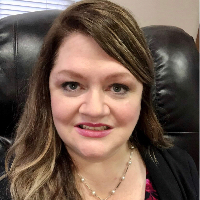
Georgia · 27 yrs exp
Licensed Professional Counselor - Anxiety and Relationships
Stress, Anxiety · Trauma and abuse · Bipolar · Depression · +16 more
Read profile
Indiana · 12 yrs exp
LCSW counselor - codependency and mood concerns
Stress, Anxiety · Trauma and abuse · Self esteem · Bipolar · +10 more
Read profile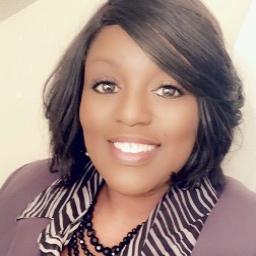
South Carolina · 20 yrs exp
Licensed counselor - codependency and relationships
Stress, Anxiety · Relationship · Trauma and abuse · Anger · +11 more
Read profile
Texas · 19 yrs exp
Licensed counselor - Relationships and Stress
Stress, Anxiety · Relationship · Family · Trauma and abuse · +12 more
Read profile
Missouri · 22 yrs exp
Prof. Michael McGaugh LPC - Anxiety and Relationships
Stress, Anxiety · Family · Trauma and abuse · Grief · +13 more
Read profile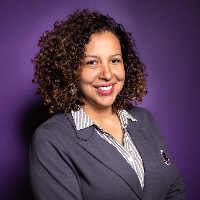
Texas · 15 yrs exp
Licensed Professional Counselor - Anxiety and Relationship Concerns
Stress, Anxiety · Grief · Self esteem · Depression · +13 more
Read profile
Missouri · 20 yrs exp
LPC in Missouri - relationships and trauma
Stress, Anxiety · Relationship · Family · Trauma and abuse · +4 more
Read profile
New York · 25 yrs exp
LCSW - Relationships and Codependency
Stress, Anxiety · Relationship · Family · Trauma and abuse · +15 more
Read profile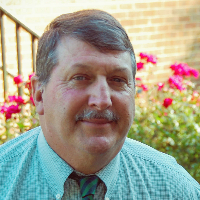
Alabama · 14 yrs exp
Licensed Professional Counselor - Relationships and Mood
Relationship · Trauma and abuse · Coping with life changes · Coaching · +12 more
Read profile
Florida · 20 yrs exp
LCSW - Relationships and Emotional Health
Stress, Anxiety · Relationship · Family · Trauma and abuse · +16 more
Read profile
Utah · 30 yrs exp
LICSW counselor - Codependency and trauma
Stress, Anxiety · Trauma and abuse · Grief · Anger · +1 more
Read profile
Florida · 16 yrs exp
LCSW working with relationships and life stress
Stress, Anxiety · Relationship · Parenting · Self esteem · +8 more
Read profile
Texas · 12 yrs exp
Licensed Professional Counselor - Relationships and Stress
Stress, Anxiety · Addictions · Relationship · Trauma and abuse · +14 more
Read profile
Mississippi · 20 yrs exp
Licensed Professional Counselor - Anxiety and Codependency
Stress, Anxiety · Addictions · Trauma and abuse · Anger · +14 more
Read profile
Wisconsin · 8 yrs exp
LPC counselor for relationships and stress
Stress, Anxiety · Relationship · Self esteem · Career · +10 more
Read profile
Arizona · 25 yrs exp
Licensed Professional Counselor - Relationships and Addictions
Stress, Anxiety · Addictions · Relationship · Trauma and abuse · +11 more
Read profile
Florida · 10 yrs exp
LMHC - anxiety and relationship concerns
Stress, Anxiety · Addictions · Relationship · Anger · +7 more
Read profile
Texas · 7 yrs exp
Dr. Sandra Webster-Brown, LPC - Stress and relationship concerns
Stress, Anxiety · Addictions · Relationship · Trauma and abuse · +8 more
Read profile
Illinois · 18 yrs exp
LCPC focusing on relationships and addiction
Stress, Anxiety · Addictions · Trauma and abuse · Anger · +12 more
Read profile
Arkansas · 18 yrs exp
Licensed Professional Counselor - Stress and Relationships
Stress, Anxiety · Family · Trauma and abuse · Depression · +15 more
Read profile
Missouri · 45 yrs exp
LPC - Relationships and Codependency
Stress, Anxiety · Relationship · Family · Parenting · +15 more
Read profile
Florida · 10 yrs exp
Licensed Mental Health Counselor - Anxiety and Codependency
Stress, Anxiety · Addictions · Anger · Bipolar · +11 more
Read profile
Colorado · 18 yrs exp
LPC and LCPC - Stress and Relationship Concerns
Stress, Anxiety · Addictions · Relationship · Self esteem · +15 more
Read profile
Pennsylvania · 30 yrs exp
LPC counselor - anxiety and relationship concerns
Stress, Anxiety · Trauma and abuse · Grief · Depression · +11 more
Read profile
Utah · 14 yrs exp
Licensed counselor for addiction and trauma
Stress, Anxiety · Addictions · Relationship · Depression · +14 more
Read profile
Kansas · 30 yrs exp
LSCSW working with anxiety and codependency
Stress, Anxiety · Trauma and abuse · Sleeping · Self esteem · +14 more
Read profile
Texas · 8 yrs exp
LPC in Texas - relationships and anxiety
Stress, Anxiety · Relationship · Family · Self esteem · +10 more
Read profile
Mississippi · 20 yrs exp
Licensed counselor - relationships and codependency
Stress, Anxiety · Relationship · Trauma and abuse · Anger · +10 more
Read profile
Florida · 42 yrs exp
LCSW - Stress and Relationship Concerns
Stress, Anxiety · Addictions · Relationship · Trauma and abuse · +15 more
Read profile
Texas · 16 yrs exp
Licensed Professional Counselor - Relationships and Trauma
Stress, Anxiety · Addictions · Relationship · Trauma and abuse · +9 more
Read profile
Louisiana · 9 yrs exp
Licensed Professional Counselor - stress and codependency concerns
Stress, Anxiety · Self esteem · Depression · Coping with life changes · +11 more
Read profile
Arizona · 36 yrs exp
Arizona psychologist - relationships and mood concerns
Stress, Anxiety · Relationship · Grief · Anger · +7 more
Read profile
Oregon · 7 yrs exp
Licensed Professional Counselor - Relationships and Addictions
Stress, Anxiety · Addictions · Trauma and abuse · Grief · +10 more
Read profile
Kentucky · 11 yrs exp
LCSW - Stress and relationship concerns
Stress, Anxiety · Trauma and abuse · Anger · Self esteem · +11 more
Read profile
Colorado · 8 yrs exp
LPC in Colorado - Relationships and Codependency
Stress, Anxiety · Trauma and abuse · Grief · Self esteem · +14 more
Read profile
Kentucky · 21 yrs exp
LPCC counselor - mood and relationships
Stress, Anxiety · Trauma and abuse · Grief · Bipolar · +10 more
Read profile
New Jersey · 38 yrs exp
Dr. Gagan Luthra - LPC, CSW, addictions and relationship concerns
Stress, Anxiety · Addictions · LGBT · Trauma and abuse · +13 more
Read profile
Illinois · 31 yrs exp
LCPC in Illinois - Relationships and Mood
Stress, Anxiety · Relationship · Grief · Parenting · +7 more
Read profile
Ohio · 23 yrs exp
LPCC in Ohio - mood and relationship concerns
Stress, Anxiety · Relationship · Trauma and abuse · Bipolar · +11 more
Read profile
Illinois · 23 yrs exp
Licensed counselor - Mood and relationships
Stress, Anxiety · Trauma and abuse · Anger · Bipolar · +11 more
Read profile
Iowa · 15 yrs exp
LMHC in Iowa - anxiety and codependency support
Stress, Anxiety · Addictions · Trauma and abuse · Grief · +11 more
Read profileWhen you habitually put other people first, struggle to say no or find your sense of worth tied to someone else, you are working with patterns that shape how you relate. Personality disorders are a clinical category that refers to long-standing patterns of thinking, feeling and behaving that can affect relationships and functioning. Codependency and people-pleasing describe relational patterns that many adults experience, and these patterns can exist alongside or independently of a personality disorder. It is important to remember that codependency is a pattern, not a diagnosis, and that a listed focus area on a profile does not prove certification or a particular outcome.
On this page you will find profiles that include Personality Disorders as a listed specialty or additional focus, and many of those same profiles also list codependency or people-pleasing. That overlap in listings helps you find clinicians who are familiar with relational dynamics where you may feel responsible for others or struggle with boundaries. Use your own experience as the guide - whether you are navigating patterns of caretaking, enduring criticism, or staying in a relationship because you fear the consequences of leaving, these are valid concerns to bring up when comparing profiles.
When you explore profiles, think about what you want to address first. Some people come wanting clearer boundaries and a stronger sense of self, while others want help understanding patterns that repeat across relationships. If a profile lists Personality Disorders and codependency, that indicates the therapist notes these as areas they address in their work. It does not mean you will receive a diagnosis or that the clinician treats every type of personality presentation in the same way. You should expect a conversation about how your priorities - such as learning to say no, reducing people-pleasing, or setting limits around another person s substance use or mood crises - will shape the focus of sessions.
It can help to think of therapy as collaborative work. You can ask how a clinician typically approaches long-standing relational patterns, whether they prioritize skill-building around boundaries, or whether they tend to explore early life experiences that shaped your current responses. None of these choices is guaranteed to match every profile you see, so the profiles exist as a starting point to identify clinicians who explicitly note interest in the areas you care about.
When you read profiles, prepare concrete questions you can use to compare clinicians. Ask whether they have experience supporting people who struggle with people-pleasing or who organize their life around another person s moods or substance use. Ask what kinds of approaches they commonly use - for example, therapists who list cognitive-behavioral, psychodynamic, dialectical behavior, acceptance and commitment, or trauma-informed approaches among their approaches - and how those approaches might be applied to boundary-setting and self-worth. Remember that a profile listing an approach does not mean certification in that approach; it only indicates that the therapist lists it among their approaches.
Also ask about the clinician s background in relation to licensing, registration and academic degrees. In the United States therapists typically list a state license such as LCSW, LPC, LMFT, PsyD or PhD alongside their degrees. In the UK clinicians may note registration with a national regulator or membership in professional bodies. In Australia clinicians may indicate registration with national boards or membership in professional associations. Distinguish degrees like PhD, PsyD, MD, MA or MSW from professional licenses or registrations - a degree alone does not establish current permission to practice in a jurisdiction. You can ask directly on a first call or message what the clinician s current registration or licensing status is and whether they work with people facing similar relational issues to yours.
If you are considering remote sessions, there are a few practical topics to raise before you begin. Ask whether the clinician is authorized to provide care to people in your listed location, because rules about practice can vary by country and by state or region. Discuss how they handle emergencies - what the plan is if you feel unsafe or are at immediate risk - and confirm whether they will help you identify local resources. If you are in immediate danger at home, call local emergency services or contact a domestic-abuse helpline for immediate support.
Also talk about technology and the environment for sessions. You can ask how the clinician prefers to handle situations where other people might overhear, what to do if a connection drops mid-session, and how they support boundaries when sessions are remote. If you need language-specific support, check which languages the clinician lists on their profile. Clarifying these details before starting will help you focus on the therapeutic work when you begin.
When you compare profiles, pay attention to the combination of focus areas and how they relate to your priorities. Does a profile mention Personality Disorders alongside codependency, people-pleasing or relationship-focused concerns? Does the clinician describe experience with the relational pattern you recognize in yourself - for example, difficulty saying no, caretaking to the point of exhaustion, or staying in relationships around another person s drinking or mood crises? Profiles often list approach names, languages spoken and a listed location; use those details to narrow your search to clinicians who match the basics of what you want to discuss.
Look at how clinicians describe their style and what they emphasize in their work. Some profiles highlight skill-based work such as building tools for boundary-setting and distress tolerance, while others emphasize exploring patterns of identity and self-worth that developed over time. Think about whether you want someone who leans toward active coaching around practical skills or toward reflective exploration of patterns. If a profile lists particular approaches among their approaches, you can bring that up in an initial conversation to learn how they adapt those approaches for your situation.
Finally, consider practical match points like language, listed location and professional registration. If a clinician lists additional focus areas that match your concerns - for example, trauma, relationship issues or addiction-related dynamics - that may be relevant to your needs. Remember that a listed topic is not evidence of a definitive specialty, scope of practice, or outcome. Use the profiles to compare focus areas, approaches and credentials, and then ask the specific questions that matter to you in a first message or consultation so you can make an informed choice about who to speak with next.
Alabama
72 therapists
Alaska
9 therapists
Arizona
83 therapists
Arkansas
38 therapists
Australia
111 therapists
California
415 therapists
Colorado
131 therapists
Connecticut
39 therapists
Delaware
9 therapists
District of Columbia
7 therapists
Florida
603 therapists
Georgia
130 therapists
Hawaii
17 therapists
Idaho
39 therapists
Illinois
156 therapists
Indiana
94 therapists
Iowa
30 therapists
Kansas
37 therapists
Kentucky
82 therapists
Louisiana
90 therapists
Maine
17 therapists
Maryland
43 therapists
Massachusetts
58 therapists
Michigan
157 therapists
Minnesota
80 therapists
Mississippi
52 therapists
Missouri
156 therapists
Montana
31 therapists
Nebraska
28 therapists
Nevada
32 therapists
New Hampshire
12 therapists
New Jersey
113 therapists
New Mexico
24 therapists
New York
234 therapists
North Carolina
189 therapists
North Dakota
3 therapists
Ohio
131 therapists
Oklahoma
88 therapists
Oregon
37 therapists
Pennsylvania
188 therapists
Rhode Island
8 therapists
South Carolina
100 therapists
South Dakota
12 therapists
Tennessee
85 therapists
Texas
508 therapists
United Kingdom
1067 therapists
Utah
57 therapists
Vermont
9 therapists
Virginia
84 therapists
Washington
70 therapists
West Virginia
22 therapists
Wisconsin
86 therapists
Wyoming
17 therapists