
Alexandre Da Silva
LMHCNew York · 5 yrs exp
LMHC in New York - mood and relationship concerns
Stress, Anxiety · LGBT · Trauma and abuse · Bipolar · +12 more
Read profileTherapist listings are provided by BetterHelp. We will earn a commission at no additional cost to you if you use our links to purchase.
This page groups profiles of practitioners who list Men's Issues alongside codependency and people-pleasing as focus areas. Compare listed location, focus descriptions, approaches, credentials, and languages, then browse profiles below to read each practitioner's biography and stated areas of work.
New York · 5 yrs exp
LMHC in New York - mood and relationship concerns
Stress, Anxiety · LGBT · Trauma and abuse · Bipolar · +12 more
Read profile
North Carolina · 10 yrs exp
LCSW counselor - relationships and codependency
Stress, Anxiety · Relationship · Family · Bipolar · +16 more
Read profile
Missouri · 7 yrs exp
Licensed Professional Counselor - Anxiety and Addictions
Stress, Anxiety · Addictions · Relationship · Self esteem · +13 more
Read profile
Wisconsin · 8 yrs exp
LPC in Wisconsin focused on relationships and codependency
Relationship · Intimacy-related issues · Coping with life changes · Stress, Anxiety · +8 more
Read profile
Texas · 11 yrs exp
Licensed Professional Counselor - Relationships and Anxiety
Stress, Anxiety · Relationship · Family · Parenting · +9 more
Read profile
Illinois · 10 yrs exp
Licensed counselor - relationships and codependency
Stress, Anxiety · LGBT · Relationship · Trauma and abuse · +10 more
Read profile
Missouri · 14 yrs exp
Licensed Professional Counselor - Relationships and Codependency
Stress, Anxiety · Self esteem · Career · Depression · +13 more
Read profile
Kentucky · 11 yrs exp
Licensed Marriage and Family Therapist - Relationships and Codependency
Stress, Anxiety · Relationship · Family · Self esteem · +9 more
Read profile
New Jersey · 8 yrs exp
LCSW - Anxiety and Relationship Concerns
Stress, Anxiety · Relationship · Trauma and abuse · Bipolar · +14 more
Read profile
Mississippi · 12 yrs exp
Licensed Clinical Social Worker - Stress and Addictions
Stress, Anxiety · Addictions · Anger · Self esteem · +12 more
Read profile
Texas · 33 yrs exp
LCSW - Relationships and Stress
Stress, Anxiety · Relationship · Family · Self esteem · +11 more
Read profile
Virginia · 13 yrs exp
Licensed counselor - anxiety and relationships
Stress, Anxiety · Anger · Self esteem · Depression · +9 more
Read profile
Ohio · 17 yrs exp
LISW in Ohio - relationships and codependency
Stress, Anxiety · Family · Parenting · Depression · +12 more
Read profile
Oklahoma · 33 yrs exp
Licensed Professional Counselor - Anxiety and Depression
Stress, Anxiety · Depression · Coping with life changes · Relationship · +4 more
Read profile
New York · 15 yrs exp
Licensed Clinical Social Worker - Relationships and Addictions
Stress, Anxiety · Addictions · Relationship · Self esteem · +10 more
Read profile
Florida · 32 yrs exp
LMHC in Florida - Relationships and Mood
Stress, Anxiety · Relationship · Trauma and abuse · Bipolar · +8 more
Read profile
Kansas · 17 yrs exp
Licensed Clinical Professional Counselor - Relationships and Coping
Stress, Anxiety · Relationship · Family · Anger · +10 more
Read profile
Mississippi · 36 yrs exp
LCSW - Family and Codependency concerns
Family · Parenting · Anger · Self esteem · +11 more
Read profile
Florida · 28 yrs exp
LCSW - Codependency and relationship patterns
Stress, Anxiety · Addictions · Trauma and abuse · Self esteem · +13 more
Read profile
Oklahoma · 20 yrs exp
Licensed Professional Counselor - Addiction and Trauma
Stress, Anxiety · Addictions · Trauma and abuse · Anger · +8 more
Read profile
New York · 25 yrs exp
LCSW - Anxiety and Codependency concerns
Stress, Anxiety · Grief · Anger · Self esteem · +6 more
Read profile
Texas · 26 yrs exp
LPC in Texas - Relationship and Stress concerns
Stress, Anxiety · Relationship · Trauma and abuse · Grief · +11 more
Read profile
Minnesota · 7 yrs exp
LPCC counselor - Stress and relationships
Stress, Anxiety · LGBT · Trauma and abuse · Self esteem · +9 more
Read profile
Florida · 20 yrs exp
LMHC in Florida - Stress and Relationships
Stress, Anxiety · Relationship · Grief · Self esteem · +1 more
Read profile
Georgia · 27 yrs exp
Licensed Professional Counselor - Anxiety and Relationships
Stress, Anxiety · Trauma and abuse · Bipolar · Depression · +16 more
Read profile
Oklahoma · 27 yrs exp
LPC helping with codependency and related concerns
Stress, Anxiety · Addictions · Parenting · Anger · +11 more
Read profile
Ohio · 16 yrs exp
LPCC in Ohio - anxiety and relationships
Stress, Anxiety · Depression · Coping with life changes · Addictions · +11 more
Read profile
Texas · 19 yrs exp
Licensed counselor - Relationships and Stress
Stress, Anxiety · Relationship · Family · Trauma and abuse · +12 more
Read profile
Kentucky · 8 yrs exp
LCSW - Anxiety and Relationship support
Stress, Anxiety · Relationship · Family · Trauma and abuse · +5 more
Read profile
Texas · 8 yrs exp
LPC in Texas - Anxiety and Addiction
Stress, Anxiety · Addictions · Trauma and abuse · Self esteem · +11 more
Read profile
Missouri · 22 yrs exp
Prof. Michael McGaugh LPC - Anxiety and Relationships
Stress, Anxiety · Family · Trauma and abuse · Grief · +13 more
Read profile
Missouri · 20 yrs exp
LPC in Missouri - relationships and trauma
Stress, Anxiety · Relationship · Family · Trauma and abuse · +4 more
Read profile
New York · 25 yrs exp
LCSW - Relationships and Codependency
Stress, Anxiety · Relationship · Family · Trauma and abuse · +15 more
Read profile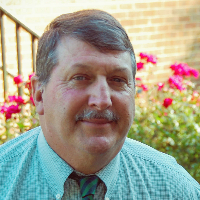
Alabama · 14 yrs exp
Licensed Professional Counselor - Relationships and Mood
Relationship · Trauma and abuse · Coping with life changes · Coaching · +12 more
Read profile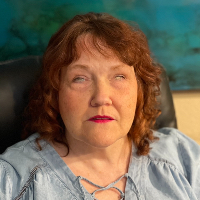
Texas · 16 yrs exp
Licensed Professional Counselor - Stress and Relationships
Stress, Anxiety · Family · Parenting · Bipolar · +11 more
Read profile
Florida · 20 yrs exp
LCSW - Relationships and Emotional Health
Stress, Anxiety · Relationship · Family · Trauma and abuse · +16 more
Read profile
Utah · 30 yrs exp
LICSW counselor - Codependency and trauma
Stress, Anxiety · Trauma and abuse · Grief · Anger · +1 more
Read profile
Connecticut · 16 yrs exp
LCSW - Stress and relationship struggles
Stress, Anxiety · Addictions · Family · Anger · +14 more
Read profile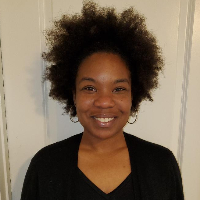
North Carolina · 15 yrs exp
Doctor of Social Work - Relationships and Trauma
LGBT · Relationship · Family · Parenting · +7 more
Read profile
California · 8 yrs exp
Licensed MFT - Codependency and trauma focus
Stress, Anxiety · Addictions · Trauma and abuse · Parenting · +11 more
Read profile
Illinois · 26 yrs exp
LCPC - Stress and relationship challenges
Stress, Anxiety · Addictions · Anger · Self esteem · +13 more
Read profile
California · 10 yrs exp
LMFT - Codependency and Relationships
Stress, Anxiety · Addictions · Trauma and abuse · Self esteem · +15 more
Read profile
Florida · 9 yrs exp
Florida LMHC - relationships and life transitions
Relationship · Anger · Self esteem · Career · +10 more
Read profile
Montana · 6 yrs exp
Licensed Clinical Social Worker - Depression and Codependency
Depression · Coping with life changes · Compassion fatigue · Stress, Anxiety · +9 more
Read profile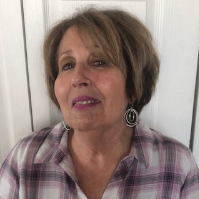
Arizona · 25 yrs exp
Licensed Professional Counselor - Relationships and Addictions
Stress, Anxiety · Addictions · Relationship · Trauma and abuse · +11 more
Read profile
Florida · 10 yrs exp
LMHC - anxiety and relationship concerns
Stress, Anxiety · Addictions · Relationship · Anger · +7 more
Read profile
Texas · 15 yrs exp
Licensed Professional Counselor - Addictions and Trauma
Addictions · Trauma and abuse · Grief · Anger · +10 more
Read profile
Illinois · 18 yrs exp
LCPC focusing on relationships and addiction
Stress, Anxiety · Addictions · Trauma and abuse · Anger · +12 more
Read profile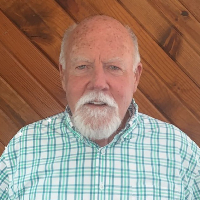
Missouri · 45 yrs exp
LPC - Relationships and Codependency
Stress, Anxiety · Relationship · Family · Parenting · +15 more
Read profile
Florida · 10 yrs exp
Licensed Mental Health Counselor - Anxiety and Codependency
Stress, Anxiety · Addictions · Anger · Bipolar · +11 more
Read profile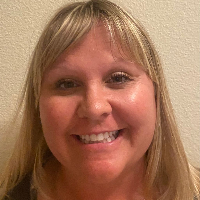
Colorado · 18 yrs exp
LPC and LCPC - Stress and Relationship Concerns
Stress, Anxiety · Addictions · Relationship · Self esteem · +15 more
Read profile
Pennsylvania · 30 yrs exp
LPC counselor - anxiety and relationship concerns
Stress, Anxiety · Trauma and abuse · Grief · Depression · +11 more
Read profile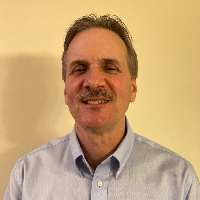
Virginia · 40 yrs exp
LCSW - Stress and Addictions Focus
Stress, Anxiety · Addictions · Trauma and abuse · Grief · +16 more
Read profile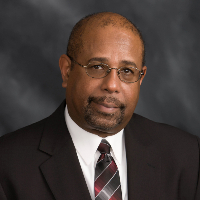
Mississippi · 51 yrs exp
Dr. Ricardo Gillispie, LCSW - Codependency and Relationships
Stress, Anxiety · Relationship · Self esteem · Depression · +15 more
Read profile
Texas · 30 yrs exp
LMFT and LPC - Anxiety and Family Concerns
Stress, Anxiety · Family · Parenting · Depression · +1 more
Read profile
Connecticut · 20 yrs exp
LPC in Connecticut - Addictions and Relationships
Stress, Anxiety · Addictions · Relationship · Depression · +1 more
Read profile
Mississippi · 20 yrs exp
Licensed counselor - relationships and codependency
Stress, Anxiety · Relationship · Trauma and abuse · Anger · +10 more
Read profile
Pennsylvania · 25 yrs exp
LPC counselor - Addictions and relationships
Addictions · Relationship · Family · Anger · +1 more
Read profile
Florida · 42 yrs exp
LCSW - Stress and Relationship Concerns
Stress, Anxiety · Addictions · Relationship · Trauma and abuse · +15 more
Read profile
Colorado · 8 yrs exp
LPC in Colorado - Relationships and Codependency
Stress, Anxiety · Trauma and abuse · Grief · Self esteem · +14 more
Read profileMany men report struggling with putting other people first in ways that leave them exhausted, resentful, or unclear about their own needs. You may recognise patterns such as difficulty saying no, organising life around another person’s crises, or losing sight of your own goals while trying to keep someone else stable. Those patterns are often described as codependency or people-pleasing, and they reflect learned ways of relating rather than a clinical label. If you are feeling overwhelmed, threatened, or unsafe at home, contact emergency services immediately and consider a domestic-abuse helpline for support and guidance.
Social expectations about masculinity can shape how these patterns appear for you. You might be more likely to understate emotional needs, avoid asking for help, or take on caretaker roles because that feels like the dependable option. When looking for a practitioner on this page, think about which parts of the pattern feel most urgent - boundary-setting, emotion regulation, communication, or dealing with past hurts - and look for profiles that explicitly mention those concerns. Profiles that list codependency, people-pleasing, and Men's Issues can be a starting point for finding someone who names the same patterns you want to change.
You may wonder whether being a man causes codependency, or whether codependent patterns cause particular relationship problems. The directory groups profiles that identify both areas, but that does not mean one always leads to the other. For some men, social pressures to be stoic or self-reliant contributed to suppressing needs and later developing caretaking strategies. For others, family dynamics, trauma history, or substance use in a partner contributed to patterns of enmeshment and people-pleasing. The relationship between these concerns differs by person and situation.
When you read a profile, consider how the practitioner describes the overlap between life experience and relational patterns. Some practitioners will discuss exploring cultural expectations about gender alongside boundary skills and self-worth work. Others may emphasise identifying patterns that repeat across relationships and building practical strategies to communicate limits. Because codependency is a pattern rather than a diagnosis, you can focus on whether a practitioner frames the work in ways that match how you want to change, rather than expecting a single course of action.
Before you contact a practitioner, it helps to prepare a few direct questions that will clarify whether their style and experience match your needs. You could ask how they typically work with people who prioritise others' needs over their own, and whether they have experience addressing boundary-setting and shame around asking for support. You might ask, "How do you approach helping someone who habitually says yes even when it causes harm?" or "Can you describe the kinds of skills or tasks you use to support boundary-setting?"
Ask about credentials and what they mean in the listed location. If a profile lists a PhD, PsyD, MD, MA, or MSW, note that these are academic degrees. Ask whether that degree is accompanied by a current license, registration, or professional membership relevant to the state or country where they practise. In the United States that usually means a state license; in the United Kingdom and Australia practitioners may list registration or membership with national bodies. A degree alone does not indicate current permission to practise, so a direct question about licensure or registration in the practitioner's listed location is appropriate.
If you are considering working remotely, make sure to talk through practical and safety details before your first session. Ask how the practitioner manages emergencies or crisis situations when working from a distance and what local resources they would use if you needed urgent help. Confirm whether they are authorised to practise with clients where you live, since regulatory rules differ by US state, and by country in the UK and Australia. A simple question like, "Are you able to provide care to someone in my state or country?" will clarify jurisdictional fit.
Discuss how communication happens between sessions, what technologies will be used, and how they address privacy protections for remote work. You can also ask about expectations for session length and turnaround for messages. If language or cultural background matters to you, ask whether they can work in your preferred language or whether they have experience with clients from similar backgrounds. If you are concerned about sharing sensitive information from a home environment, mention that and discuss whether phone or video sessions will work for you in your current setting. If you are unsafe at home, contact emergency services and local domestic-abuse helplines before beginning therapy.
When you browse profiles, compare how clearly each practitioner describes the issues you want to work on. Some profiles emphasise specific problems like people-pleasing and relationship enmeshment, while others highlight broader themes such as identity, emotion regulation, or masculinity and cultural role expectations. Take note of the ways practitioners talk about their work - are they more skills-oriented, reflective, relational, or trauma-informed? Remember that a profile listing an approach only indicates the practitioner includes that approach among others; it does not prove a particular training or certification.
Languages and cultural competence are practical comparison points. If you prefer to speak in a language other than English, look for profiles that list that language under their skills. Credentials and degrees are useful to note, but treat them as descriptive: degrees such as PhD, PsyD, MD, MA, and MSW reflect academic background. If licensure, registration, or membership is important for your peace of mind, ask whether the practitioner holds the appropriate credential for the listed location. Also consider tone in the profile - some practitioners describe a more direct, action-focused style while others emphasise long-term reflective work. Think about whether you respond better to structure and tasks, or to exploring patterns and meanings over time, and use that preference to narrow the list of profiles to contact.
Finally, remember that a listed focus does not guarantee a practitioner treats children, couples, or families. If you need work that involves partners or family members, bring that up when you contact the practitioner and ask about their scope. Use the profile to select a few practitioners whose language and described focus resonate with you, then reach out to discuss your specific goals and the practical questions above. That conversation will help you decide whether a listed profile is a good match for the next step in your work on boundaries, self-worth, and changing people-pleasing patterns.
Alabama
72 therapists
Alaska
9 therapists
Arizona
83 therapists
Arkansas
38 therapists
Australia
111 therapists
California
415 therapists
Colorado
131 therapists
Connecticut
39 therapists
Delaware
9 therapists
District of Columbia
7 therapists
Florida
603 therapists
Georgia
130 therapists
Hawaii
17 therapists
Idaho
39 therapists
Illinois
156 therapists
Indiana
94 therapists
Iowa
30 therapists
Kansas
37 therapists
Kentucky
82 therapists
Louisiana
90 therapists
Maine
17 therapists
Maryland
43 therapists
Massachusetts
58 therapists
Michigan
157 therapists
Minnesota
80 therapists
Mississippi
52 therapists
Missouri
156 therapists
Montana
31 therapists
Nebraska
28 therapists
Nevada
32 therapists
New Hampshire
12 therapists
New Jersey
113 therapists
New Mexico
24 therapists
New York
234 therapists
North Carolina
189 therapists
North Dakota
3 therapists
Ohio
131 therapists
Oklahoma
88 therapists
Oregon
37 therapists
Pennsylvania
188 therapists
Rhode Island
8 therapists
South Carolina
100 therapists
South Dakota
12 therapists
Tennessee
85 therapists
Texas
508 therapists
United Kingdom
1067 therapists
Utah
57 therapists
Vermont
9 therapists
Virginia
84 therapists
Washington
70 therapists
West Virginia
22 therapists
Wisconsin
86 therapists
Wyoming
17 therapists