
Velma Jones
LCSWNew York · 29 yrs exp
LCSW focused on relationships and coping
Stress, Anxiety · Relationship · Trauma and abuse · Depression · +10 more
Read profileTherapist listings are provided by BetterHelp. We will earn a commission at no additional cost to you if you use our links to purchase.
Use the profiles on this page to compare therapists who list young adult issues alongside codependency and people-pleasing among their focuses. You can review listed location, professional credentials, approaches and languages before clicking through to individual profiles.
Browse profiles to get a sense of style and experience, then contact a clinician to discuss whether they match what you need.
New York · 29 yrs exp
LCSW focused on relationships and coping
Stress, Anxiety · Relationship · Trauma and abuse · Depression · +10 more
Read profile
Illinois · 17 yrs exp
Illinois LCSW - Trauma and Relationships
Trauma and abuse · Coping with life changes · Stress, Anxiety · Relationship · +9 more
Read profile
Texas · 13 yrs exp
Licensed Clinical Social Worker - Relationships and Trauma
Stress, Anxiety · Relationship · Trauma and abuse · Anger · +11 more
Read profile
Louisiana · 7 yrs exp
Licensed Professional Counselor - Relationships and Trauma
Stress, Anxiety · Family · Trauma and abuse · Parenting · +15 more
Read profile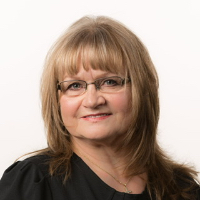
Texas · 15 yrs exp
Licensed Professional Counselor - Relationships and Addictions
Addictions · Relationship · Trauma and abuse · Grief · +13 more
Read profile
Florida · 7 yrs exp
Licensed counselor - addictions and relationships
Addictions · Relationship · Family · Trauma and abuse · +13 more
Read profile
Pennsylvania · 12 yrs exp
LMHC and LPCC - Relationships and Codependency
Stress, Anxiety · Relationship · Self esteem · Depression · +11 more
Read profile
North Carolina · 10 yrs exp
LCSW counselor - relationships and codependency
Stress, Anxiety · Relationship · Family · Bipolar · +16 more
Read profile
Texas · 17 yrs exp
Licensed Professional Counselor - Stress and Relationships
Stress, Anxiety · Family · Depression · Coping with life changes · +12 more
Read profile
Florida · 12 yrs exp
LMHC in Florida - Relationships and Mood
Stress, Anxiety · Relationship · Intimacy-related issues · Depression · +8 more
Read profile
Missouri · 7 yrs exp
Licensed Professional Counselor - Anxiety and Addictions
Stress, Anxiety · Addictions · Relationship · Self esteem · +13 more
Read profile
Louisiana · 10 yrs exp
LPC in Louisiana - Relationships and Anxiety
Stress, Anxiety · Relationship · Family · Depression · +12 more
Read profile
Texas · 10 yrs exp
Licensed Professional Counselor - Relationships and Codependency
Stress, Anxiety · Relationship · Family · Depression · +14 more
Read profile
Texas · 11 yrs exp
Licensed Professional Counselor - Relationships and Anxiety
Stress, Anxiety · Relationship · Family · Parenting · +9 more
Read profile
Illinois · 10 yrs exp
Licensed counselor - relationships and codependency
Stress, Anxiety · LGBT · Relationship · Trauma and abuse · +10 more
Read profile
North Carolina · 13 yrs exp
LCSW - Relationships and Confidence
Stress, Anxiety · Relationship · Family · Self esteem · +13 more
Read profile
Washington · 12 yrs exp
LMHC in Washington - Relationships and Codependency
Stress, Anxiety · Relationship · Family · Self esteem · +15 more
Read profile
Florida · 10 yrs exp
LCSW - Relationship and Addiction Concerns
Stress, Anxiety · Addictions · Family · Grief · +8 more
Read profile
South Carolina · 36 yrs exp
LISW-CP counselor - Codependency and mood concerns
Stress, Anxiety · Addictions · Family · Trauma and abuse · +3 more
Read profile
Texas · 22 yrs exp
Dr. Ngozi Okose - LPC, relationship and anxiety work
Stress, Anxiety · Relationship · Trauma and abuse · Depression · +16 more
Read profile
Kentucky · 11 yrs exp
Licensed Marriage and Family Therapist - Relationships and Codependency
Stress, Anxiety · Relationship · Family · Self esteem · +9 more
Read profile
Mississippi · 12 yrs exp
Licensed Clinical Social Worker - Stress and Addictions
Stress, Anxiety · Addictions · Anger · Self esteem · +12 more
Read profile
Utah · 6 yrs exp
Licensed counselor - codependency and anxiety
Stress, Anxiety · Trauma and abuse · Self esteem · Depression · +8 more
Read profile
Nebraska · 25 yrs exp
LMHP in Nebraska - Codependency and Relationships
Stress, Anxiety · Family · Trauma and abuse · Parenting · +12 more
Read profile
Texas · 33 yrs exp
LCSW - Relationships and Stress
Stress, Anxiety · Relationship · Family · Self esteem · +11 more
Read profile
Virginia · 13 yrs exp
Licensed counselor - anxiety and relationships
Stress, Anxiety · Anger · Self esteem · Depression · +9 more
Read profile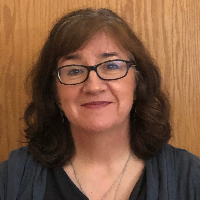
Wisconsin · 17 yrs exp
Licensed Professional Counselor - Relationships and Codependency
Stress, Anxiety · Relationship · Trauma and abuse · Self esteem · +11 more
Read profile
South Carolina · 20 yrs exp
Licensed Independent Social Worker - Relationships and Eating Issues
Stress, Anxiety · Relationship · Eating · Self esteem · +10 more
Read profile
Colorado · 9 yrs exp
Licensed Clinical Social Worker - Relationships and Codependency
Stress, Anxiety · Relationship · Grief · Depression · +11 more
Read profile
Michigan · 16 yrs exp
Licensed Professional Counselor - Relationships and Addictions
Stress, Anxiety · Addictions · Relationship · Parenting · +8 more
Read profile
Ohio · 17 yrs exp
LISW in Ohio - relationships and codependency
Stress, Anxiety · Family · Parenting · Depression · +12 more
Read profile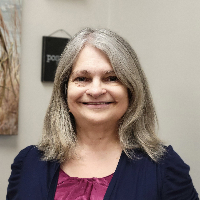
Illinois · 38 yrs exp
LCPC in Illinois - Codependency and Anxiety
Stress, Anxiety · Self esteem · Depression · Coping with life changes · +9 more
Read profile
Michigan · 31 yrs exp
LMSW - relationships and stress
Stress, Anxiety · Family · Trauma and abuse · Self esteem · +16 more
Read profile
Missouri · 35 yrs exp
LCSW in Missouri - mood and relationship concerns
Stress, Anxiety · Trauma and abuse · Anger · Bipolar · +13 more
Read profile
New York · 15 yrs exp
Licensed Clinical Social Worker - Relationships and Addictions
Stress, Anxiety · Addictions · Relationship · Self esteem · +10 more
Read profile
Florida · 32 yrs exp
LMHC in Florida - Relationships and Mood
Stress, Anxiety · Relationship · Trauma and abuse · Bipolar · +8 more
Read profile
Georgia · 7 yrs exp
Licensed therapist - Relationships and Codependency
Stress, Anxiety · Relationship · Intimacy-related issues · Anger · +11 more
Read profile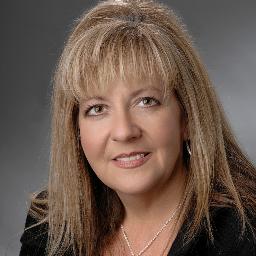
Kansas · 17 yrs exp
Licensed Clinical Professional Counselor - Relationships and Coping
Stress, Anxiety · Relationship · Family · Anger · +10 more
Read profile
Mississippi · 36 yrs exp
LCSW - Family and Codependency concerns
Family · Parenting · Anger · Self esteem · +11 more
Read profile
Florida · 28 yrs exp
LCSW - Codependency and relationship patterns
Stress, Anxiety · Addictions · Trauma and abuse · Self esteem · +13 more
Read profile
Wyoming · 14 yrs exp
LCSW in Wyoming - mood and relationship concerns
Addictions · Relationship · Depression · Coping with life changes · +11 more
Read profile
Missouri · 16 yrs exp
Licensed Professional Counselor - Stress and relationships
Stress, Anxiety · Relationship · Family · Self esteem · +2 more
Read profile
Minnesota · 7 yrs exp
LPCC counselor - Stress and relationships
Stress, Anxiety · LGBT · Trauma and abuse · Self esteem · +9 more
Read profile
Georgia · 27 yrs exp
Licensed Professional Counselor - Anxiety and Relationships
Stress, Anxiety · Trauma and abuse · Bipolar · Depression · +16 more
Read profile
Oklahoma · 27 yrs exp
LPC helping with codependency and related concerns
Stress, Anxiety · Addictions · Parenting · Anger · +11 more
Read profile
Massachusetts · 20 yrs exp
LICSW in Massachusetts - Life changes and relationships
Stress, Anxiety · Self esteem · Career · Depression · +11 more
Read profile
Indiana · 12 yrs exp
LCSW counselor - codependency and mood concerns
Stress, Anxiety · Trauma and abuse · Self esteem · Bipolar · +10 more
Read profile
North Carolina · 20 yrs exp
Licensed counselor - Anxiety and Addictions
Stress, Anxiety · Parenting · Self esteem · Depression · +15 more
Read profile
Florida · 18 yrs exp
LMHC - Relationships and Mood Concerns
Stress, Anxiety · Parenting · Anger · Self esteem · +13 more
Read profile
Florida · 25 yrs exp
LCSW working with mood and relationship concerns
Stress, Anxiety · Addictions · Grief · Bipolar · +5 more
Read profile
Illinois · 5 yrs exp
Illinois psychologist for codependency and relationships
Stress, Anxiety · Relationship · Trauma and abuse · Depression · +12 more
Read profile
Ohio · 13 yrs exp
Ohio LPCC - Anxiety and Addictions
Stress, Anxiety · Addictions · Family · Self esteem · +11 more
Read profile
Colorado · 20 yrs exp
LCSW - Trauma and Relationship Concerns
Stress, Anxiety · Trauma and abuse · Grief · Depression · +15 more
Read profile
Pennsylvania · 15 yrs exp
Licensed Professional Counselor - Relationships and Mood
Stress, Anxiety · Relationship · Self esteem · Depression · +14 more
Read profile
Florida · 11 yrs exp
Florida LMHC - Anxiety and Relationships
Stress, Anxiety · Relationship · Family · Grief · +7 more
Read profile
South Carolina · 20 yrs exp
Licensed counselor - codependency and relationships
Stress, Anxiety · Relationship · Trauma and abuse · Anger · +11 more
Read profile
Texas · 19 yrs exp
Licensed counselor - Relationships and Stress
Stress, Anxiety · Relationship · Family · Trauma and abuse · +12 more
Read profile
Indiana · 11 yrs exp
LMHC in Indiana - Codependency and relationships
Stress, Anxiety · Addictions · Trauma and abuse · Parenting · +14 more
Read profile
Kentucky · 8 yrs exp
LCSW - Anxiety and Relationship support
Stress, Anxiety · Relationship · Family · Trauma and abuse · +5 more
Read profile
Texas · 8 yrs exp
LPC in Texas - Anxiety and Addiction
Stress, Anxiety · Addictions · Trauma and abuse · Self esteem · +11 more
Read profileWhen you are navigating the transition from adolescence into adulthood you may be facing decisions about work, education, relationships and independence while still managing long-standing patterns of people-pleasing or codependency. These patterns show up as bending yourself to meet others expectations, finding it hard to say no, or organising your life around someone else s moods or problems. Codependency is a pattern rather than a medical label, and many people who search for help want clearer boundaries, a stronger sense of self-worth and more balanced relationships.
You might look for a therapist who understands the unique pressures young adults face - such as identity formation, financial dependence, or changing family roles - and who also understands people-pleasing dynamics. The profiles you will read list focus areas and approaches; they are a starting point for finding someone who talks openly about boundaries, self-respect and practical steps you can try in everyday life. Keep in mind that a listed focus is not evidence of specialist certification or a guarantee of outcomes, so follow up with questions about how a clinician works with people like you.
Young adult issues and codependency often overlap, but one does not automatically cause the other. You could be experiencing pressure to please family, partners or peers while also negotiating autonomy, career choices or higher education. Family expectations, cultural norms and past caregiving roles can shape how you respond to requests for help and how comfortable you feel asserting needs. At the same time, the social and financial shifts of young adulthood can make it harder to set limits or leave unhealthy dynamics.
When comparing profiles, look for clinicians who describe experience with relational patterns, boundary work and the life-stage challenges you are facing. Some therapists may highlight work with identity development, transitions, or stress related to study and early career. Others may mention approaches that focus on emotion regulation, communication skills and building a clearer sense of self. Remember that the presence of these terms in a profile means the clinician lists them among their focuses or approaches; it does not tell you about training depth or outcomes. Use that information to form specific questions to ask in an initial conversation.
Before you decide to connect, it helps to have a set of concrete questions you can bring to a first conversation. Ask how the clinician typically works with young adults who struggle with people-pleasing - for example, whether they focus on skill-building around boundaries, exploring family-of-origin patterns, or addressing anxiety that drives over-responsibility. If a profile names certain techniques, you can say "I noticed you list X among your approaches - how do you use that in work with people who prioritise others at their own expense?" This phrasing keeps the conversation practical.
Clarify what credentials and permissions mean in the clinician s context. Academic degrees such as PhD, PsyD, MD, MA or MSW indicate formal education but do not by themselves confirm current legal permission to practise. In the United States, clinicians often hold licensure abbreviations such as LPC, LCSW or LMFT; in the United Kingdom and Australia, clinicians may list a professional registration or membership with a national body. Ask whether the clinician is able to practise with clients in your location and what their professional registration or licensure entails. You can also enquire about experience with related issues such as substance-impacted relationships, trauma, or family systems so you know whether their background aligns with your needs.
If you plan to connect remotely, there are practical points to cover so you can feel comfortable and prepared. Ask what technology platform the clinician uses and what steps they recommend to create a quiet, uninterrupted environment where you can speak freely. Discuss how they handle emergencies and what local resources or crisis services they can point you toward if you are in immediate danger. If you are unsafe at home, call local emergency services and contact your national domestic-abuse helpline for urgent support.
Talk through expectations for session structure, typical homework or skill practices between meetings, and how they measure progress from your perspective. Since cross-border practice rules vary, ask whether the clinician is authorised to provide care to someone in your jurisdiction and what that authorisation means in practical terms. If you have concerns about privacy in your living situation, mention them and ask about alternative arrangements; being open about practical constraints helps both of you plan sessions that are useful. Remember that profiles indicate approaches some clinicians list among their tools - you should ask how any named approach would be used in your care rather than assume it is a standard feature.
Comparing profiles is most useful when you look for concrete signals that match your priorities. Read how a clinician describes their work with young adults and with relational patterns such as people-pleasing and codependency. Pay attention to whether they emphasise boundary-setting skills, self-worth and identity development, or whether they foreground relational repair and communication. If language access matters to you, check the languages listed on profiles and consider whether having sessions in your preferred language will affect how you express sensitive material.
Look at credentials in two parts - academic degrees and professional registration or licensure. A profile that lists a PhD, PsyD, MD, MA or MSW tells you about education history. A separate indication of licensure, registration or membership tells you about current professional standing in a jurisdiction; in the US that is often called licensure and in the UK or Australia it may be registration or professional membership. Also notice how clinicians describe their therapeutic style - whether they present as directive, collaborative, practical or exploratory - and imagine how that style would fit with the way you prefer to work. Finally, consider reaching out with a short message that references a specific part of a profile, such as their work with young adults or with people-pleasing, and ask a targeted question about how they approach the early sessions. Direct, specific questions will give you clearer answers than general enquiries about fit.
Choosing a clinician is a personal decision and profiles are a first step. Use the information provided to form clear questions, prioritise safety and practical needs, and look for a conversational fit that feels respectful of your experience and goals.
Alabama
72 therapists
Alaska
9 therapists
Arizona
83 therapists
Arkansas
38 therapists
Australia
111 therapists
California
415 therapists
Colorado
131 therapists
Connecticut
39 therapists
Delaware
9 therapists
District of Columbia
7 therapists
Florida
603 therapists
Georgia
130 therapists
Hawaii
17 therapists
Idaho
39 therapists
Illinois
156 therapists
Indiana
94 therapists
Iowa
30 therapists
Kansas
37 therapists
Kentucky
82 therapists
Louisiana
90 therapists
Maine
17 therapists
Maryland
43 therapists
Massachusetts
58 therapists
Michigan
157 therapists
Minnesota
80 therapists
Mississippi
52 therapists
Missouri
156 therapists
Montana
31 therapists
Nebraska
28 therapists
Nevada
32 therapists
New Hampshire
12 therapists
New Jersey
113 therapists
New Mexico
24 therapists
New York
234 therapists
North Carolina
189 therapists
North Dakota
3 therapists
Ohio
131 therapists
Oklahoma
88 therapists
Oregon
37 therapists
Pennsylvania
188 therapists
Rhode Island
8 therapists
South Carolina
100 therapists
South Dakota
12 therapists
Tennessee
85 therapists
Texas
508 therapists
United Kingdom
1067 therapists
Utah
57 therapists
Vermont
9 therapists
Virginia
84 therapists
Washington
70 therapists
West Virginia
22 therapists
Wisconsin
86 therapists
Wyoming
17 therapists