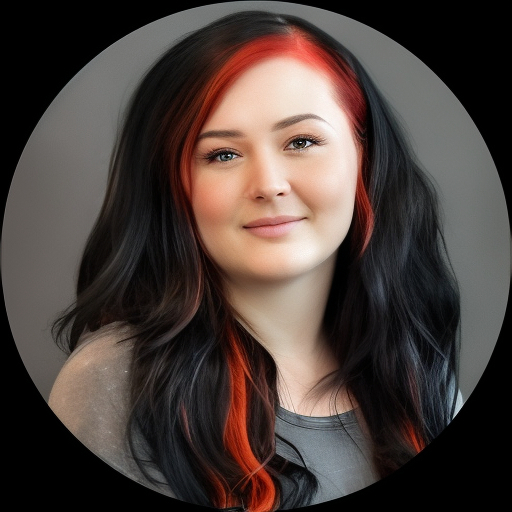
Therapist profile
McKayla Phillips, LCMHC
Utah
LCMHC in Utah - Stress and Relationship Concerns
Continue with McKaylaWhere McKayla stands
- Credentials
- LCMHC
- License
- LCMHC, Utah / 14285205-6004
- NPI
- 1447920459
- Experience
- 3 years
- Languages
- English
- Location
- Utah
About
- CBT
- DBT
- ACT
About McKayla
McKayla Phillips is an LCMHC (Licensed Clinical Mental Health Counselor) practicing in Utah with three years of experience. She helps people who are dealing with stress, anxiety, addictions, relationship strain, grief, and depression. McKayla also supports people working through codependency, attachment issues, and problems with communication and control.
Her approach mixes practical skills and talk-based support. She draws on cognitive behavioral therapy (CBT) to spot unhelpful thinking patterns and on dialectical behavior therapy (DBT) to teach emotion regulation and distress tolerance. Acceptance and Commitment Therapy (ACT) and attachment-based ideas shape how she frames values and relationships.
Sessions focus on concrete steps people can use between meetings. That might include behavior experiments, short mindfulness practices, or exercises to practice saying no. McKayla uses a client-centered stance to keep conversations grounded in what the person wants to work on right now.
People who feel stuck putting others first or who live around someone else’s moods or substance use will find straightforward tools and communication practice here. She also addresses grief, separation, and the long-term effects of abandonment or dependent patterns.
Her work includes attention to caregiver stress, body image, dissociation, and personality-related struggles such as avoidant or dependent patterns. McKayla accepts international clients and holds sessions in English. To begin she asks people to complete a short matching questionnaire and schedule a first session.
How sessions work
How therapeutic approaches shape online sessions
McKayla uses Acceptance and Commitment Therapy (ACT) to help people clarify what matters to them and take small actions toward those values. ACT combines reflective exercises with simple behavioral steps that can be practiced between sessions to change daily routines and priorities.Attachment-Based Therapy informs her work on relationships and codependency. This approach looks at patterns formed in close relationships and focuses on understanding how those patterns affect current choices and reactions. It often involves role practice and communication strategies to try out differently in relationships.
Finding the right approach is part of the work. McKayla will collaborate with each person to choose methods that match their goals and preferences. That means trying practical skills when needed, and pausing for discussion when someone wants to process feelings more deeply.
Session formats are not listed in the biography, so confirm current online options before booking. Many people appreciate online sessions because they make it easier to fit therapy into a workday, reduce travel time, and allow short check-ins when a full in-person visit would be harder to arrange. Different approaches lend themselves to these conveniences in different ways - for example CBT or ACT often use short behavioral homework, while attachment-focused work can include in-session role practice.
Areas of focus
Areas of expertise
Primary focus
Additional focus areas
Therapeutic approaches
Experience
3+ years
Listed in
Utah
Languages
English
Questions
Frequently asked questions
What kinds of issues does she help with?
She supports people with stress, anxiety, addictions, relationship strain, grief, and depression. Additional areas include codependency, attachment issues, and communication problems.
What is her therapeutic style like?
She combines practical skills work with client-centered conversations. Expect behavior-based exercises, mindfulness practice, and attention to values and relationships.
How much clinical experience does she have?
She has three years of professional experience working with trauma-related issues, attachment concerns, and mood and stress disorders.
What are her credentials and location?
She is an LCMHC in Utah. Sessions are offered from her Utah practice and to international clients in English.
Can I work with her if I live outside the U.S.?
Yes, she accepts international clients. Sessions are provided in English.
What session formats are available?
Session formats are not specified in the biography; please confirm current session options before booking.
How does payment work?
Cost varies with location and sessions use a subscription model that can be canceled at any time.
How do I get started?
Select the See online therapy options button, complete a short matching questionnaire, and schedule a first session.
Details come from information the therapist supplied to BetterHelp. A license can be checked with the state board.
Online talk therapy is not emergency care. If you are not safe at home, use the crisis and helpline numbers.