
Velma Jones
LCSWNew York · 29 yrs exp
LCSW focused on relationships and coping
Stress, Anxiety · Relationship · Trauma and abuse · Depression · +10 more
Read profileTherapist listings are provided by BetterHelp. We will earn a commission at no additional cost to you if you use our links to purchase.
This page groups professionals who list Panic Disorder and Panic Attacks alongside concerns such as codependency and people-pleasing. Visitors can compare profiles by focus areas, therapeutic approaches, credentials, languages and listed location to identify options that match individual needs.
New York · 29 yrs exp
LCSW focused on relationships and coping
Stress, Anxiety · Relationship · Trauma and abuse · Depression · +10 more
Read profile
Texas · 13 yrs exp
Licensed Clinical Social Worker - Relationships and Trauma
Stress, Anxiety · Relationship · Trauma and abuse · Anger · +11 more
Read profile
Colorado · 15 yrs exp
Licensed Professional Counselor - Relationships and Codependency
Stress, Anxiety · Relationship · Intimacy-related issues · Self esteem · +10 more
Read profile
Florida · 25 yrs exp
LMHC in Florida - Relationships and Trauma
Relationship · Trauma and abuse · Grief · Anger · +12 more
Read profile
Texas · 15 yrs exp
Licensed Professional Counselor - Relationships and Addictions
Addictions · Relationship · Trauma and abuse · Grief · +13 more
Read profile
Florida · 7 yrs exp
Licensed counselor - addictions and relationships
Addictions · Relationship · Family · Trauma and abuse · +13 more
Read profile
Texas · 12 yrs exp
LMFT - Relationships and Codependency
Stress, Anxiety · Addictions · Relationship · Grief · +11 more
Read profile
Missouri · 36 yrs exp
Licensed Clinical Social Worker - Relationships and Mood
Stress, Anxiety · Relationship · Trauma and abuse · Intimacy-related issues · +15 more
Read profile
New York · 5 yrs exp
LMHC in New York - mood and relationship concerns
Stress, Anxiety · LGBT · Trauma and abuse · Bipolar · +12 more
Read profile
Pennsylvania · 12 yrs exp
LMHC and LPCC - Relationships and Codependency
Stress, Anxiety · Relationship · Self esteem · Depression · +11 more
Read profile
North Carolina · 10 yrs exp
LCSW counselor - relationships and codependency
Stress, Anxiety · Relationship · Family · Bipolar · +16 more
Read profile
Texas · 17 yrs exp
Licensed Professional Counselor - Stress and Relationships
Stress, Anxiety · Family · Depression · Coping with life changes · +12 more
Read profile
Florida · 12 yrs exp
LMHC in Florida - Relationships and Mood
Stress, Anxiety · Relationship · Intimacy-related issues · Depression · +8 more
Read profile
Missouri · 7 yrs exp
Licensed Professional Counselor - Anxiety and Addictions
Stress, Anxiety · Addictions · Relationship · Self esteem · +13 more
Read profile
Louisiana · 10 yrs exp
LPC in Louisiana - Relationships and Anxiety
Stress, Anxiety · Relationship · Family · Depression · +12 more
Read profile
Texas · 10 yrs exp
Licensed Professional Counselor - Relationships and Codependency
Stress, Anxiety · Relationship · Family · Depression · +14 more
Read profile
Texas · 11 yrs exp
Licensed Professional Counselor - Relationships and Anxiety
Stress, Anxiety · Relationship · Family · Parenting · +9 more
Read profile
Ohio · 33 yrs exp
LPCC in Ohio - Trauma and Codependency support
Stress, Anxiety · Family · Trauma and abuse · Self esteem · +12 more
Read profile
Illinois · 10 yrs exp
Licensed counselor - relationships and codependency
Stress, Anxiety · LGBT · Relationship · Trauma and abuse · +10 more
Read profile
North Carolina · 13 yrs exp
LCSW - Relationships and Confidence
Stress, Anxiety · Relationship · Family · Self esteem · +13 more
Read profile
Washington · 12 yrs exp
LMHC in Washington - Relationships and Codependency
Stress, Anxiety · Relationship · Family · Self esteem · +15 more
Read profile
Florida · 10 yrs exp
LCSW - Relationship and Addiction Concerns
Stress, Anxiety · Addictions · Family · Grief · +8 more
Read profile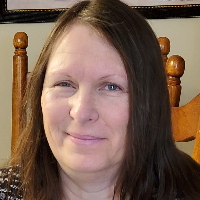
Virginia · 19 yrs exp
Licensed counselor - anxiety and relationships
Stress, Anxiety · Grief · Self esteem · Depression · +11 more
Read profile
Texas · 22 yrs exp
Dr. Ngozi Okose - LPC, relationship and anxiety work
Stress, Anxiety · Relationship · Trauma and abuse · Depression · +16 more
Read profile
Tennessee · 28 yrs exp
Tennessee psychologist - relationships and mood
Stress, Anxiety · Relationship · Grief · Depression · +10 more
Read profile
New Jersey · 8 yrs exp
LCSW - Anxiety and Relationship Concerns
Stress, Anxiety · Relationship · Trauma and abuse · Bipolar · +14 more
Read profile
Mississippi · 12 yrs exp
Licensed Clinical Social Worker - Stress and Addictions
Stress, Anxiety · Addictions · Anger · Self esteem · +12 more
Read profile
Utah · 6 yrs exp
Licensed counselor - codependency and anxiety
Stress, Anxiety · Trauma and abuse · Self esteem · Depression · +8 more
Read profile
Tennessee · 35 yrs exp
Licensed Clinical Social Worker - Stress and Relationships
Stress, Anxiety · Grief · Self esteem · Depression · +8 more
Read profile
Georgia · 25 yrs exp
LISW LCSW - Relationships and Codependency
Stress, Anxiety · Parenting · Anger · Self esteem · +15 more
Read profile
Texas · 18 yrs exp
Licensed Professional Counselor - Codependency and Relationships
Stress, Anxiety · Relationship · Family · Parenting · +9 more
Read profile
Nebraska · 25 yrs exp
LMHP in Nebraska - Codependency and Relationships
Stress, Anxiety · Family · Trauma and abuse · Parenting · +12 more
Read profile
Texas · 33 yrs exp
LCSW - Relationships and Stress
Stress, Anxiety · Relationship · Family · Self esteem · +11 more
Read profile
Virginia · 13 yrs exp
Licensed counselor - anxiety and relationships
Stress, Anxiety · Anger · Self esteem · Depression · +9 more
Read profile
South Carolina · 20 yrs exp
Licensed Independent Social Worker - Relationships and Eating Issues
Stress, Anxiety · Relationship · Eating · Self esteem · +10 more
Read profile
Colorado · 9 yrs exp
Licensed Clinical Social Worker - Relationships and Codependency
Stress, Anxiety · Relationship · Grief · Depression · +11 more
Read profile
New York · 14 yrs exp
Licensed Clinical Social Worker - Anxiety and Relationships
Stress, Anxiety · Trauma and abuse · Grief · Depression · +6 more
Read profile
Louisiana · 10 yrs exp
LPC in Louisiana - relationships and mood work
Stress, Anxiety · Trauma and abuse · Anger · Self esteem · +12 more
Read profile
Ohio · 17 yrs exp
LISW in Ohio - relationships and codependency
Stress, Anxiety · Family · Parenting · Depression · +12 more
Read profile
Illinois · 38 yrs exp
LCPC in Illinois - Codependency and Anxiety
Stress, Anxiety · Self esteem · Depression · Coping with life changes · +9 more
Read profile
Oklahoma · 33 yrs exp
Licensed Professional Counselor - Anxiety and Depression
Stress, Anxiety · Depression · Coping with life changes · Relationship · +4 more
Read profile
Michigan · 31 yrs exp
LMSW - relationships and stress
Stress, Anxiety · Family · Trauma and abuse · Self esteem · +16 more
Read profile
Missouri · 35 yrs exp
LCSW in Missouri - mood and relationship concerns
Stress, Anxiety · Trauma and abuse · Anger · Bipolar · +13 more
Read profile
Florida · 32 yrs exp
LMHC in Florida - Relationships and Mood
Stress, Anxiety · Relationship · Trauma and abuse · Bipolar · +8 more
Read profile
Georgia · 7 yrs exp
Licensed therapist - Relationships and Codependency
Stress, Anxiety · Relationship · Intimacy-related issues · Anger · +11 more
Read profile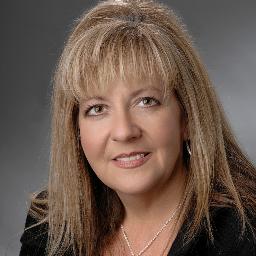
Kansas · 17 yrs exp
Licensed Clinical Professional Counselor - Relationships and Coping
Stress, Anxiety · Relationship · Family · Anger · +10 more
Read profile
Colorado · 15 yrs exp
LCSW - Anxiety and Codependency supports
Stress, Anxiety · Grief · Depression · Coping with life changes · +10 more
Read profile
Oklahoma · 20 yrs exp
Licensed Professional Counselor - Addiction and Trauma
Stress, Anxiety · Addictions · Trauma and abuse · Anger · +8 more
Read profile
New York · 25 yrs exp
LCSW - Anxiety and Codependency concerns
Stress, Anxiety · Grief · Anger · Self esteem · +6 more
Read profile
North Carolina · 30 yrs exp
Licensed counselor for anxiety and trauma
Stress, Anxiety · Addictions · LGBT · Trauma and abuse · +1 more
Read profile
Texas · 26 yrs exp
LPC in Texas - Relationship and Stress concerns
Stress, Anxiety · Relationship · Trauma and abuse · Grief · +11 more
Read profile
Minnesota · 7 yrs exp
LPCC counselor - Stress and relationships
Stress, Anxiety · LGBT · Trauma and abuse · Self esteem · +9 more
Read profile
Florida · 20 yrs exp
LMHC in Florida - Stress and Relationships
Stress, Anxiety · Relationship · Grief · Self esteem · +1 more
Read profile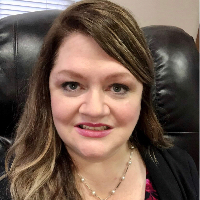
Georgia · 27 yrs exp
Licensed Professional Counselor - Anxiety and Relationships
Stress, Anxiety · Trauma and abuse · Bipolar · Depression · +16 more
Read profile
Massachusetts · 20 yrs exp
LICSW in Massachusetts - Life changes and relationships
Stress, Anxiety · Self esteem · Career · Depression · +11 more
Read profile
Indiana · 12 yrs exp
LCSW counselor - codependency and mood concerns
Stress, Anxiety · Trauma and abuse · Self esteem · Bipolar · +10 more
Read profile
North Carolina · 20 yrs exp
Licensed counselor - Anxiety and Addictions
Stress, Anxiety · Parenting · Self esteem · Depression · +15 more
Read profile
South Carolina · 8 yrs exp
Licensed Professional Counselor - trauma and relationships
Stress, Anxiety · Trauma and abuse · Self esteem · Depression · +16 more
Read profile
Ohio · 16 yrs exp
LPCC in Ohio - anxiety and relationships
Stress, Anxiety · Depression · Coping with life changes · Addictions · +11 more
Read profile
Illinois · 5 yrs exp
Illinois psychologist for codependency and relationships
Stress, Anxiety · Relationship · Trauma and abuse · Depression · +12 more
Read profileIf you often prioritise other people - accommodating demands, smoothing conflicts or avoiding saying no - panic attacks can feel especially disruptive. Panic attacks involve sudden surges of intense fear or physical sensations such as racing heart, breathlessness or dizziness, and they can occur in situations that feel emotionally charged. Panic Disorder is a pattern of repeated unexpected panic attacks and worry about future attacks. If you tend to organise your life around someone else or downplay your own needs to keep relationships stable, panic symptoms may interact with those patterns, making it harder to notice or communicate what you need.
When you are reading profiles, keep in mind that listing Panic Disorder or Panic Attacks as a focus does not mean a therapist will use any particular approach. Profiles allow you to see whether a professional explicitly mentions working with people-pleasing, codependency, or similar relational patterns. That context can be important because the skills you develop to manage panic - such as grounding, breathing strategies, or addressing catastrophic thinking - may be more effective when combined with work on boundaries and self-worth if those are relevant to your life.
Thinking about how panic shows up in your daily routine and relationships before you contact someone can make conversations with a potential therapist more productive. You might notice triggers tied to high-stress interactions, caregiving responsibilities, or patterns of self-neglect. Naming those patterns in an initial conversation helps you and a therapist determine whether a profile is a good match for the goals you want to address.
Panic and people-pleasing can coexist in many ways without implying one caused the other. You may find that fear of conflict, worry about disappointing others, or the effort of constantly managing other people's emotions creates chronic stress that contributes to anxious episodes. Alternatively, panic attacks may intensify worry about how others will react, which can reinforce avoidance behaviors and the reluctance to assert needs. Understanding these interconnections can help you choose a therapist who will explore both the panic symptoms and the interpersonal patterns that matter to you.
In sessions, exploring the timeline of symptoms and relationship habits helps identify practical priorities. Some people want immediate strategies to reduce the intensity of panic attacks while also building long-term skills for asserting boundaries and strengthening self-worth. Others are mostly concerned with understanding triggers and reducing anticipatory anxiety. You can search profiles for therapists who mention both panic-related work and relational issues like codependency or difficulty saying no. Keep in mind that mentioning a focus does not guarantee the professional treats all client types; you should discuss whether they work with adults who present with these combined concerns.
Because this directory includes professionals in the United States, the United Kingdom and Australia, you will find different professional terms and scopes of practice. When you read a profile, look for clear statements about the kinds of presenting concerns the professional addresses and whether their listed approaches match the combination of panic symptoms and people-pleasing you wish to work on.
Before reaching out, prepare specific questions that help you compare how therapists describe their work. Ask how they typically approach panic attacks in sessions and whether they have experience supporting people who prioritise others at their own expense. Request examples of the kinds of strategies they might offer and ask how they help clients practise boundaries and build self-worth. Phrase questions in a way that invites description rather than a promise of outcome, for example: "How do you typically support clients who experience panic attacks and also struggle with saying no?" or "Can you describe what a first few sessions might focus on for someone with these concerns?"
Be clear about credentials and what they mean in context. In the United States, providers may list licenses such as LCSW, LPC, LMFT or credentials for clinical psychologists (PhD, PsyD) or psychiatrists (MD). In the United Kingdom, professionals may refer to registration or membership with regulatory or professional bodies, and in Australia there are national boards and professional associations that govern practice and membership. A degree such as an MA, MSW, PhD or PsyD indicates an academic qualification but does not by itself establish current permission to practice. You can ask a therapist to clarify both their academic degree and the licenses, registrations or memberships they hold in the country of their listed location.
Also ask about the populations they work with and the settings they use. A listed topic does not establish that the therapist treats children, couples, or families, so confirm whether they work with adults who have your specific concerns. If therapies or approaches are mentioned on a profile, you can ask how the therapist integrates those options into care and whether they commonly combine symptom-focused strategies with work on relational patterns such as codependency.
If you are considering online care, clarify practical and safety details before scheduling a session. Ask about the platform or method of connection, what to expect if you experience a panic attack during a remote session, and how the therapist handles emergencies when you are not in the same place. If you are in a situation that feels unsafe at home, contact emergency services or a local domestic-abuse helpline immediately and share that concern with any professional you consider. It is important that a therapist can explain how they manage crisis situations and what local resources they can refer to when immediate help is needed.
Discuss preferences for session pacing and homework or between-session practices, especially since building boundaries and changing people-pleasing habits often requires experimenting with new behaviors outside of sessions. You may want to discuss how the therapist measures progress and how they adjust focus if panic symptoms change or relational challenges evolve. If language or cultural understanding is important to you, confirm the languages listed on a profile and ask about cultural competence and experience relevant to your background.
Before beginning, confirm the expected modes of communication for scheduling and whether the therapist's listed location corresponds to where they hold permission to practise. Clear conversation about these logistical and safety topics helps you make an informed choice about which profiles best match your needs.
When you compare profiles, pay attention to how therapists describe their clinical focus and the language they use about relationships and self-care. Profiles that mention Panic Disorder or Panic Attacks alongside codependency, people-pleasing or boundary work may indicate a familiarity with the intersection you are navigating. Look for statements about the kinds of emotional patterns the therapist addresses, and consider whether their described approach aligns with whether you want more skills-based work, relational exploration, or a combination.
Languages and cultural competence can materially affect how comfortable you feel in sessions. If a profile lists multiple languages, that may make it easier to express nuanced emotions. Credentials and the wording of registrations or licenses tell you about the professional context in which the therapist practices. Finally, consider style and tone - some profiles emphasize a direct, skills-based approach while others describe exploratory or relational work. Think about which fit feels most likely to support the changes you want to make, and use the concrete questions suggested earlier when contacting someone to determine whether their way of working suits you.
Choosing a therapist is a personal decision. Use the profiles on this page as a starting point to compare focus areas, approaches, credentials, languages and listed location, and to prepare targeted questions that reflect the panic symptoms and people-pleasing patterns you want to address.
Alabama
72 therapists
Alaska
9 therapists
Arizona
83 therapists
Arkansas
38 therapists
Australia
111 therapists
California
415 therapists
Colorado
131 therapists
Connecticut
39 therapists
Delaware
9 therapists
District of Columbia
7 therapists
Florida
603 therapists
Georgia
130 therapists
Hawaii
17 therapists
Idaho
39 therapists
Illinois
156 therapists
Indiana
94 therapists
Iowa
30 therapists
Kansas
37 therapists
Kentucky
82 therapists
Louisiana
90 therapists
Maine
17 therapists
Maryland
43 therapists
Massachusetts
58 therapists
Michigan
157 therapists
Minnesota
80 therapists
Mississippi
52 therapists
Missouri
156 therapists
Montana
31 therapists
Nebraska
28 therapists
Nevada
32 therapists
New Hampshire
12 therapists
New Jersey
113 therapists
New Mexico
24 therapists
New York
234 therapists
North Carolina
189 therapists
North Dakota
3 therapists
Ohio
131 therapists
Oklahoma
88 therapists
Oregon
37 therapists
Pennsylvania
188 therapists
Rhode Island
8 therapists
South Carolina
100 therapists
South Dakota
12 therapists
Tennessee
85 therapists
Texas
508 therapists
United Kingdom
1067 therapists
Utah
57 therapists
Vermont
9 therapists
Virginia
84 therapists
Washington
70 therapists
West Virginia
22 therapists
Wisconsin
86 therapists
Wyoming
17 therapists