
Velma Jones
LCSWNew York · 29 yrs exp
LCSW focused on relationships and coping
Stress, Anxiety · Relationship · Trauma and abuse · Depression · +10 more
Read profileTherapist listings are provided by BetterHelp. We will earn a commission at no additional cost to you if you use our links to purchase.
Browse profiles of clinicians who list Control Issues among their specialties and who also note codependency and people-pleasing in their focus areas. Compare listed locations, therapeutic approaches, credentials and languages to find profiles that match what you want to explore.
New York · 29 yrs exp
LCSW focused on relationships and coping
Stress, Anxiety · Relationship · Trauma and abuse · Depression · +10 more
Read profile
Oklahoma · 21 yrs exp
LMFT in Oklahoma - relationships and mood
Stress, Anxiety · Relationship · Family · Self esteem · +8 more
Read profile
Texas · 13 yrs exp
Licensed Clinical Social Worker - Relationships and Trauma
Stress, Anxiety · Relationship · Trauma and abuse · Anger · +11 more
Read profile
Colorado · 15 yrs exp
Licensed Professional Counselor - Relationships and Codependency
Stress, Anxiety · Relationship · Intimacy-related issues · Self esteem · +10 more
Read profile
Louisiana · 7 yrs exp
Licensed Professional Counselor - Relationships and Trauma
Stress, Anxiety · Family · Trauma and abuse · Parenting · +15 more
Read profile
Florida · 25 yrs exp
LMHC in Florida - Relationships and Trauma
Relationship · Trauma and abuse · Grief · Anger · +12 more
Read profile
Texas · 15 yrs exp
Licensed Professional Counselor - Relationships and Addictions
Addictions · Relationship · Trauma and abuse · Grief · +13 more
Read profile
Florida · 7 yrs exp
Licensed counselor - addictions and relationships
Addictions · Relationship · Family · Trauma and abuse · +13 more
Read profile
Texas · 12 yrs exp
LMFT - Relationships and Codependency
Stress, Anxiety · Addictions · Relationship · Grief · +11 more
Read profile
Pennsylvania · 12 yrs exp
LMHC and LPCC - Relationships and Codependency
Stress, Anxiety · Relationship · Self esteem · Depression · +11 more
Read profile
North Carolina · 10 yrs exp
LCSW counselor - relationships and codependency
Stress, Anxiety · Relationship · Family · Bipolar · +16 more
Read profile
Florida · 12 yrs exp
LMHC in Florida - Relationships and Mood
Stress, Anxiety · Relationship · Intimacy-related issues · Depression · +8 more
Read profile
Missouri · 7 yrs exp
Licensed Professional Counselor - Anxiety and Addictions
Stress, Anxiety · Addictions · Relationship · Self esteem · +13 more
Read profile
Louisiana · 10 yrs exp
LPC in Louisiana - Relationships and Anxiety
Stress, Anxiety · Relationship · Family · Depression · +12 more
Read profile
Texas · 10 yrs exp
Licensed Professional Counselor - Relationships and Codependency
Stress, Anxiety · Relationship · Family · Depression · +14 more
Read profile
Texas · 11 yrs exp
Licensed Professional Counselor - Relationships and Anxiety
Stress, Anxiety · Relationship · Family · Parenting · +9 more
Read profile
Ohio · 33 yrs exp
LPCC in Ohio - Trauma and Codependency support
Stress, Anxiety · Family · Trauma and abuse · Self esteem · +12 more
Read profile
Illinois · 10 yrs exp
Licensed counselor - relationships and codependency
Stress, Anxiety · LGBT · Relationship · Trauma and abuse · +10 more
Read profile
North Carolina · 13 yrs exp
LCSW - Relationships and Confidence
Stress, Anxiety · Relationship · Family · Self esteem · +13 more
Read profile
Washington · 12 yrs exp
LMHC in Washington - Relationships and Codependency
Stress, Anxiety · Relationship · Family · Self esteem · +15 more
Read profile
Florida · 10 yrs exp
LCSW - Relationship and Addiction Concerns
Stress, Anxiety · Addictions · Family · Grief · +8 more
Read profile
Virginia · 19 yrs exp
Licensed counselor - anxiety and relationships
Stress, Anxiety · Grief · Self esteem · Depression · +11 more
Read profile
Missouri · 14 yrs exp
Licensed Professional Counselor - Relationships and Codependency
Stress, Anxiety · Self esteem · Career · Depression · +13 more
Read profile
Texas · 22 yrs exp
Dr. Ngozi Okose - LPC, relationship and anxiety work
Stress, Anxiety · Relationship · Trauma and abuse · Depression · +16 more
Read profile
Tennessee · 28 yrs exp
Tennessee psychologist - relationships and mood
Stress, Anxiety · Relationship · Grief · Depression · +10 more
Read profile
New Jersey · 8 yrs exp
LCSW - Anxiety and Relationship Concerns
Stress, Anxiety · Relationship · Trauma and abuse · Bipolar · +14 more
Read profile
Mississippi · 12 yrs exp
Licensed Clinical Social Worker - Stress and Addictions
Stress, Anxiety · Addictions · Anger · Self esteem · +12 more
Read profile
Texas · 8 yrs exp
LCSW helping with relationships and stress
Stress, Anxiety · Relationship · Self esteem · Depression · +8 more
Read profile
Utah · 6 yrs exp
Licensed counselor - codependency and anxiety
Stress, Anxiety · Trauma and abuse · Self esteem · Depression · +8 more
Read profile
Tennessee · 35 yrs exp
Licensed Clinical Social Worker - Stress and Relationships
Stress, Anxiety · Grief · Self esteem · Depression · +8 more
Read profile
Georgia · 25 yrs exp
LISW LCSW - Relationships and Codependency
Stress, Anxiety · Parenting · Anger · Self esteem · +15 more
Read profile
Texas · 18 yrs exp
Licensed Professional Counselor - Codependency and Relationships
Stress, Anxiety · Relationship · Family · Parenting · +9 more
Read profile
Nebraska · 25 yrs exp
LMHP in Nebraska - Codependency and Relationships
Stress, Anxiety · Family · Trauma and abuse · Parenting · +12 more
Read profile
Texas · 33 yrs exp
LCSW - Relationships and Stress
Stress, Anxiety · Relationship · Family · Self esteem · +11 more
Read profile
Virginia · 13 yrs exp
Licensed counselor - anxiety and relationships
Stress, Anxiety · Anger · Self esteem · Depression · +9 more
Read profile
Wisconsin · 17 yrs exp
Licensed Professional Counselor - Relationships and Codependency
Stress, Anxiety · Relationship · Trauma and abuse · Self esteem · +11 more
Read profile
South Carolina · 20 yrs exp
Licensed Independent Social Worker - Relationships and Eating Issues
Stress, Anxiety · Relationship · Eating · Self esteem · +10 more
Read profile
Colorado · 9 yrs exp
Licensed Clinical Social Worker - Relationships and Codependency
Stress, Anxiety · Relationship · Grief · Depression · +11 more
Read profile
Louisiana · 10 yrs exp
LPC in Louisiana - relationships and mood work
Stress, Anxiety · Trauma and abuse · Anger · Self esteem · +12 more
Read profile
Maryland · 25 yrs exp
Licensed counselor - codependency and addictions
Stress, Anxiety · Addictions · Relationship · Grief · +12 more
Read profile
Ohio · 17 yrs exp
LISW in Ohio - relationships and codependency
Stress, Anxiety · Family · Parenting · Depression · +12 more
Read profile
Oklahoma · 33 yrs exp
Licensed Professional Counselor - Anxiety and Depression
Stress, Anxiety · Depression · Coping with life changes · Relationship · +4 more
Read profile
Michigan · 31 yrs exp
LMSW - relationships and stress
Stress, Anxiety · Family · Trauma and abuse · Self esteem · +16 more
Read profile
Missouri · 35 yrs exp
LCSW in Missouri - mood and relationship concerns
Stress, Anxiety · Trauma and abuse · Anger · Bipolar · +13 more
Read profile
New York · 15 yrs exp
Licensed Clinical Social Worker - Relationships and Addictions
Stress, Anxiety · Addictions · Relationship · Self esteem · +10 more
Read profile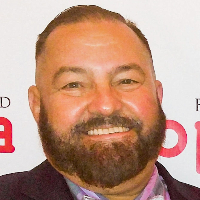
Florida · 32 yrs exp
LMHC in Florida - Relationships and Mood
Stress, Anxiety · Relationship · Trauma and abuse · Bipolar · +8 more
Read profile
Georgia · 7 yrs exp
Licensed therapist - Relationships and Codependency
Stress, Anxiety · Relationship · Intimacy-related issues · Anger · +11 more
Read profile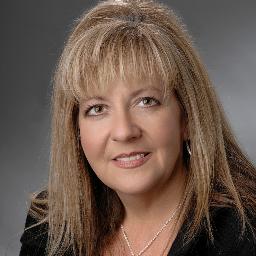
Kansas · 17 yrs exp
Licensed Clinical Professional Counselor - Relationships and Coping
Stress, Anxiety · Relationship · Family · Anger · +10 more
Read profile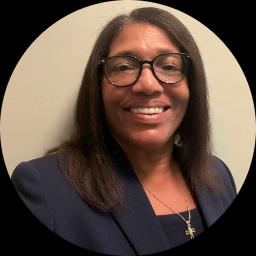
Mississippi · 36 yrs exp
LCSW - Family and Codependency concerns
Family · Parenting · Anger · Self esteem · +11 more
Read profile
Florida · 28 yrs exp
LCSW - Codependency and relationship patterns
Stress, Anxiety · Addictions · Trauma and abuse · Self esteem · +13 more
Read profile
Wyoming · 14 yrs exp
LCSW in Wyoming - mood and relationship concerns
Addictions · Relationship · Depression · Coping with life changes · +11 more
Read profile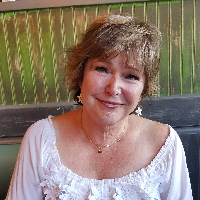
Oklahoma · 20 yrs exp
Licensed Professional Counselor - Addiction and Trauma
Stress, Anxiety · Addictions · Trauma and abuse · Anger · +8 more
Read profile
New York · 25 yrs exp
LCSW - Anxiety and Codependency concerns
Stress, Anxiety · Grief · Anger · Self esteem · +6 more
Read profile
North Carolina · 30 yrs exp
Licensed counselor for anxiety and trauma
Stress, Anxiety · Addictions · LGBT · Trauma and abuse · +1 more
Read profile
Texas · 26 yrs exp
LPC in Texas - Relationship and Stress concerns
Stress, Anxiety · Relationship · Trauma and abuse · Grief · +11 more
Read profile
Florida · 20 yrs exp
LMHC in Florida - Stress and Relationships
Stress, Anxiety · Relationship · Grief · Self esteem · +1 more
Read profile
Georgia · 27 yrs exp
Licensed Professional Counselor - Anxiety and Relationships
Stress, Anxiety · Trauma and abuse · Bipolar · Depression · +16 more
Read profile
Indiana · 12 yrs exp
LCSW counselor - codependency and mood concerns
Stress, Anxiety · Trauma and abuse · Self esteem · Bipolar · +10 more
Read profile
North Carolina · 20 yrs exp
Licensed counselor - Anxiety and Addictions
Stress, Anxiety · Parenting · Self esteem · Depression · +15 more
Read profile
South Carolina · 8 yrs exp
Licensed Professional Counselor - trauma and relationships
Stress, Anxiety · Trauma and abuse · Self esteem · Depression · +16 more
Read profileIf you find yourself organizing life around another person's moods, accommodating crises even when it costs you, or feeling responsible for how others behave, you are not alone in facing control issues connected to people-pleasing and codependency patterns. Control issues can show up as attempts to manage someone else to avoid conflict, or as emotional over-involvement that blurs your boundaries. Codependency is a pattern of relating rather than a medical diagnosis, so you will find different ways it appears in day-to-day life depending on history, relationships and current stressors.
When you look at profiles, you might see language about caretaking, enmeshment, difficulty saying no or chronic people-pleasing. Those phrases point to common experiences people bring to therapy - feeling depleted after giving too much, losing track of your own priorities, or trying to control outcomes to reduce anxiety. The goal of seeking help is to explore these patterns and the ways they affect your relationships and sense of self. If you are in immediate danger at home, call local emergency services or a domestic abuse helpline right away, and consider local shelters and crisis resources for guidance and safety planning.
Control issues, people-pleasing and codependency overlap in many people's stories, but they are not the same thing. You might use controlling behavior to try to keep a chaotic relationship stable, or you might surrender your own needs to keep peace. Some profiles in this directory list Control Issues as a specialty and many also list Codependency among their additional focus areas. That co-listing indicates practitioners who notice these themes in their work, but it does not imply a single cause or a single path to change.
In practice, control can be a response to feeling powerless, a strategy learned in childhood, or a pattern that developed around a partner's substance use or mental health crises. People-pleasing can coexist with attempts to control - for example you might over-adapt to another person while also trying to steer their behavior to avoid rejection. When you review profiles, look for language that resonates with your experience - whether that is talk about boundaries, patterns learned in family life, or relational dynamics like caretaking and enabling. These descriptions can help you identify clinicians who name the issues in ways you recognize and want to address.
When you contact a clinician whose profile interests you, having specific questions can help you compare options. You can ask how they typically work with people who struggle with controlling behaviors or chronic people-pleasing, and what kinds of goals they help clients set. Ask whether they have experience working with situations similar to yours - for example, if your pattern has developed around a partner's addiction, long-term illness, or workplace dynamics, ask about that context. Instead of asking for certifications, you can ask which approaches they describe on their profile and how those approaches inform sessions.
It is useful to phrase questions that clarify both approach and scope. You might say, "I saw on your profile that you list codependency and Control Issues - how do you usually help someone begin to set boundaries?" or "You mention several approaches - can you explain how you decide which to use with a person who struggles to say no?" If a profile lists therapeutic approaches such as EMDR, CBT or psychodynamic work, remember that those are approaches some therapists list among their options; ask how the clinician integrates any listed approaches into conversations about relationships and personal agency. Also ask about the clinician's degrees and current authorization to practice where you live - for example a PhD or MSW describes education, while in the United States a state license designation or in the UK and Australia a registration or professional membership indicates current permission or professional affiliation. Degrees alone do not establish current permission to practice.
If you are considering remote sessions, there are practical topics to discuss before your first appointment. Confirm whether the clinician provides care to people in your listed location or jurisdiction, since permission to practice varies by country and within the United States by state. Ask what systems they use for appointments, what you should do if technology fails during a session, and how they handle after-hours concerns. You can request information about how they approach crisis planning and whether they can connect you with local emergency resources or domestic abuse helplines if needed.
Discussing boundaries and expectations early helps you decide if a clinician's style fits you. Ask about session length and cancellation policies so there are no surprises, and ask how they handle notes and records if that matters to you. Talk about how they work with relationship dynamics - whether they help you develop clearer boundaries, practice saying no, or explore how family history shapes your responses. If you have concerns about sharing sensitive material online, ask what privacy protections they describe in their intake materials and how they recommend creating a safe setting at your end of the connection, such as choosing a quiet room where you will not be interrupted.
Profiles can vary a lot in tone and detail, so comparing them across consistent categories helps you make an informed decision. Start with focus areas - look for profiles that list Control Issues alongside codependency, people-pleasing or boundary work if those are the threads you want to explore. Read bios to understand whether clinicians emphasize exploring history, building skills, or working on present-day relationship patterns. Language offerings can matter a great deal if you want to speak in your first language, so take note of languages listed on a profile and whether the clinician mentions cultural or community experience that matters to you.
When you review credentials, separate academic degrees from practice authorization. Degrees such as PhD, PsyD, MD, MA or MSW describe training, while a US state license designation, UK registration or Australian registration or membership describes current professional permission or affiliation. If a profile lists approaches you have heard of, you can ask how the clinician applies those approaches in sessions rather than assuming they are a primary method. Finally, consider the clinician's style as described in the profile - some describe themselves as more directive, others as exploratory and reflective. Think about which tone helps you feel understood and challenged in a helpful way, and prepare a short opening question to test that style in a first conversation.
Looking through profiles is a way to clarify what you want to work on and whom you might want to have that conversation with. Use the listed location, focus areas, languages and credential details to narrow your search, and use the concrete questions suggested here when you reach out. Remember that a listed topic does not automatically mean a clinician treats children, couples or families, so ask about the clinician's actual scope. If you are in immediate danger or concerned for your safety, contact local emergency services or a domestic abuse helpline in your region for urgent support. Otherwise, take your time reading profiles, and when you feel ready, reach out to introduce yourself and ask the specific questions that matter most to you.
Alabama
72 therapists
Alaska
9 therapists
Arizona
83 therapists
Arkansas
38 therapists
Australia
111 therapists
California
415 therapists
Colorado
131 therapists
Connecticut
39 therapists
Delaware
9 therapists
District of Columbia
7 therapists
Florida
603 therapists
Georgia
130 therapists
Hawaii
17 therapists
Idaho
39 therapists
Illinois
156 therapists
Indiana
94 therapists
Iowa
30 therapists
Kansas
37 therapists
Kentucky
82 therapists
Louisiana
90 therapists
Maine
17 therapists
Maryland
43 therapists
Massachusetts
58 therapists
Michigan
157 therapists
Minnesota
80 therapists
Mississippi
52 therapists
Missouri
156 therapists
Montana
31 therapists
Nebraska
28 therapists
Nevada
32 therapists
New Hampshire
12 therapists
New Jersey
113 therapists
New Mexico
24 therapists
New York
234 therapists
North Carolina
189 therapists
North Dakota
3 therapists
Ohio
131 therapists
Oklahoma
88 therapists
Oregon
37 therapists
Pennsylvania
188 therapists
Rhode Island
8 therapists
South Carolina
100 therapists
South Dakota
12 therapists
Tennessee
85 therapists
Texas
508 therapists
United Kingdom
1067 therapists
Utah
57 therapists
Vermont
9 therapists
Virginia
84 therapists
Washington
70 therapists
West Virginia
22 therapists
Wisconsin
86 therapists
Wyoming
17 therapists