
Velma Jones
LCSWNew York · 29 yrs exp
LCSW focused on relationships and coping
Stress, Anxiety · Relationship · Trauma and abuse · Depression · +10 more
Read profileTherapist listings are provided by BetterHelp. We will earn a commission at no additional cost to you if you use our links to purchase.
This collection groups profiles of practitioners who list Women's Issues along with codependency and people-pleasing concerns. Use the listing grid to compare approaches, credentials, languages and listed location to find profiles that match your needs.
Browse profiles to learn about each clinician's focus areas and read descriptions to help you decide which profiles you want to explore further.
New York · 29 yrs exp
LCSW focused on relationships and coping
Stress, Anxiety · Relationship · Trauma and abuse · Depression · +10 more
Read profile
Texas · 13 yrs exp
Licensed Clinical Social Worker - Relationships and Trauma
Stress, Anxiety · Relationship · Trauma and abuse · Anger · +11 more
Read profile
Nevada · 30 yrs exp
Licensed counselor - grief and anxiety
Stress, Anxiety · Grief · Self esteem · Coping with life changes · +14 more
Read profile
Colorado · 15 yrs exp
Licensed Professional Counselor - Relationships and Codependency
Stress, Anxiety · Relationship · Intimacy-related issues · Self esteem · +10 more
Read profile
Louisiana · 7 yrs exp
Licensed Professional Counselor - Relationships and Trauma
Stress, Anxiety · Family · Trauma and abuse · Parenting · +15 more
Read profile
Florida · 25 yrs exp
LMHC in Florida - Relationships and Trauma
Relationship · Trauma and abuse · Grief · Anger · +12 more
Read profile
Texas · 15 yrs exp
Licensed Professional Counselor - Relationships and Addictions
Addictions · Relationship · Trauma and abuse · Grief · +13 more
Read profile
Florida · 7 yrs exp
Licensed counselor - addictions and relationships
Addictions · Relationship · Family · Trauma and abuse · +13 more
Read profile
Texas · 12 yrs exp
LMFT - Relationships and Codependency
Stress, Anxiety · Addictions · Relationship · Grief · +11 more
Read profile
Pennsylvania · 12 yrs exp
LMHC and LPCC - Relationships and Codependency
Stress, Anxiety · Relationship · Self esteem · Depression · +11 more
Read profile
Florida · 12 yrs exp
LMHC in Florida - Relationships and Mood
Stress, Anxiety · Relationship · Intimacy-related issues · Depression · +8 more
Read profile
Louisiana · 10 yrs exp
LPC in Louisiana - Relationships and Anxiety
Stress, Anxiety · Relationship · Family · Depression · +12 more
Read profile
Texas · 10 yrs exp
Licensed Professional Counselor - Relationships and Codependency
Stress, Anxiety · Relationship · Family · Depression · +14 more
Read profile
Texas · 11 yrs exp
Licensed Professional Counselor - Relationships and Anxiety
Stress, Anxiety · Relationship · Family · Parenting · +9 more
Read profile
Ohio · 33 yrs exp
LPCC in Ohio - Trauma and Codependency support
Stress, Anxiety · Family · Trauma and abuse · Self esteem · +12 more
Read profile
Illinois · 10 yrs exp
Licensed counselor - relationships and codependency
Stress, Anxiety · LGBT · Relationship · Trauma and abuse · +10 more
Read profile
North Carolina · 13 yrs exp
LCSW - Relationships and Confidence
Stress, Anxiety · Relationship · Family · Self esteem · +13 more
Read profile
Florida · 10 yrs exp
LCSW - Relationship and Addiction Concerns
Stress, Anxiety · Addictions · Family · Grief · +8 more
Read profile
South Carolina · 36 yrs exp
LISW-CP counselor - Codependency and mood concerns
Stress, Anxiety · Addictions · Family · Trauma and abuse · +3 more
Read profile
Virginia · 23 yrs exp
Licensed Professional Counselor - trauma and relationships
Stress, Anxiety · Trauma and abuse · Self esteem · Depression · +9 more
Read profile
Texas · 22 yrs exp
Dr. Ngozi Okose - LPC, relationship and anxiety work
Stress, Anxiety · Relationship · Trauma and abuse · Depression · +16 more
Read profile
Tennessee · 28 yrs exp
Tennessee psychologist - relationships and mood
Stress, Anxiety · Relationship · Grief · Depression · +10 more
Read profile
Utah · 6 yrs exp
Licensed counselor - codependency and anxiety
Stress, Anxiety · Trauma and abuse · Self esteem · Depression · +8 more
Read profile
Georgia · 25 yrs exp
LISW LCSW - Relationships and Codependency
Stress, Anxiety · Parenting · Anger · Self esteem · +15 more
Read profile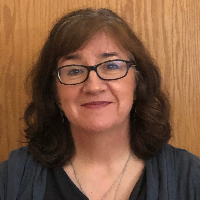
Wisconsin · 17 yrs exp
Licensed Professional Counselor - Relationships and Codependency
Stress, Anxiety · Relationship · Trauma and abuse · Self esteem · +11 more
Read profile
South Carolina · 20 yrs exp
Licensed Independent Social Worker - Relationships and Eating Issues
Stress, Anxiety · Relationship · Eating · Self esteem · +10 more
Read profile
Colorado · 9 yrs exp
Licensed Clinical Social Worker - Relationships and Codependency
Stress, Anxiety · Relationship · Grief · Depression · +11 more
Read profile
New York · 14 yrs exp
Licensed Clinical Social Worker - Anxiety and Relationships
Stress, Anxiety · Trauma and abuse · Grief · Depression · +6 more
Read profile
Louisiana · 10 yrs exp
LPC in Louisiana - relationships and mood work
Stress, Anxiety · Trauma and abuse · Anger · Self esteem · +12 more
Read profile
Michigan · 16 yrs exp
Licensed Professional Counselor - Relationships and Addictions
Stress, Anxiety · Addictions · Relationship · Parenting · +8 more
Read profile
Ohio · 17 yrs exp
LISW in Ohio - relationships and codependency
Stress, Anxiety · Family · Parenting · Depression · +12 more
Read profile
Illinois · 38 yrs exp
LCPC in Illinois - Codependency and Anxiety
Stress, Anxiety · Self esteem · Depression · Coping with life changes · +9 more
Read profile
Michigan · 31 yrs exp
LMSW - relationships and stress
Stress, Anxiety · Family · Trauma and abuse · Self esteem · +16 more
Read profile
Missouri · 35 yrs exp
LCSW in Missouri - mood and relationship concerns
Stress, Anxiety · Trauma and abuse · Anger · Bipolar · +13 more
Read profile
Florida · 32 yrs exp
LMHC in Florida - Relationships and Mood
Stress, Anxiety · Relationship · Trauma and abuse · Bipolar · +8 more
Read profile
Georgia · 7 yrs exp
Licensed therapist - Relationships and Codependency
Stress, Anxiety · Relationship · Intimacy-related issues · Anger · +11 more
Read profile
Kansas · 17 yrs exp
Licensed Clinical Professional Counselor - Relationships and Coping
Stress, Anxiety · Relationship · Family · Anger · +10 more
Read profile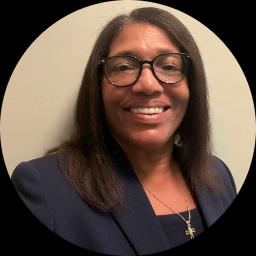
Mississippi · 36 yrs exp
LCSW - Family and Codependency concerns
Family · Parenting · Anger · Self esteem · +11 more
Read profile
Colorado · 15 yrs exp
LCSW - Anxiety and Codependency supports
Stress, Anxiety · Grief · Depression · Coping with life changes · +10 more
Read profile
Wyoming · 14 yrs exp
LCSW in Wyoming - mood and relationship concerns
Addictions · Relationship · Depression · Coping with life changes · +11 more
Read profile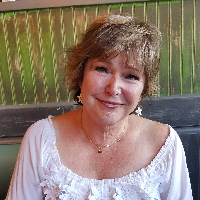
Oklahoma · 20 yrs exp
Licensed Professional Counselor - Addiction and Trauma
Stress, Anxiety · Addictions · Trauma and abuse · Anger · +8 more
Read profile
New York · 25 yrs exp
LCSW - Anxiety and Codependency concerns
Stress, Anxiety · Grief · Anger · Self esteem · +6 more
Read profile
Missouri · 16 yrs exp
Licensed Professional Counselor - Stress and relationships
Stress, Anxiety · Relationship · Family · Self esteem · +2 more
Read profile
North Carolina · 30 yrs exp
Licensed counselor for anxiety and trauma
Stress, Anxiety · Addictions · LGBT · Trauma and abuse · +1 more
Read profile
Texas · 26 yrs exp
LPC in Texas - Relationship and Stress concerns
Stress, Anxiety · Relationship · Trauma and abuse · Grief · +11 more
Read profile
Texas · 16 yrs exp
LPC in Texas - Trauma and Addiction focus
Stress, Anxiety · Addictions · Self esteem · Depression · +9 more
Read profile
Florida · 20 yrs exp
LMHC in Florida - Stress and Relationships
Stress, Anxiety · Relationship · Grief · Self esteem · +1 more
Read profile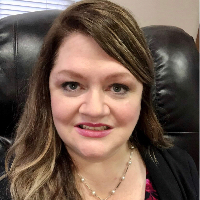
Georgia · 27 yrs exp
Licensed Professional Counselor - Anxiety and Relationships
Stress, Anxiety · Trauma and abuse · Bipolar · Depression · +16 more
Read profile
Oklahoma · 27 yrs exp
LPC helping with codependency and related concerns
Stress, Anxiety · Addictions · Parenting · Anger · +11 more
Read profile
Massachusetts · 20 yrs exp
LICSW in Massachusetts - Life changes and relationships
Stress, Anxiety · Self esteem · Career · Depression · +11 more
Read profile
Indiana · 12 yrs exp
LCSW counselor - codependency and mood concerns
Stress, Anxiety · Trauma and abuse · Self esteem · Bipolar · +10 more
Read profile
North Carolina · 20 yrs exp
Licensed counselor - Anxiety and Addictions
Stress, Anxiety · Parenting · Self esteem · Depression · +15 more
Read profile
South Carolina · 8 yrs exp
Licensed Professional Counselor - trauma and relationships
Stress, Anxiety · Trauma and abuse · Self esteem · Depression · +16 more
Read profile
Florida · 25 yrs exp
LMHC in Florida - anxiety and relationships
Stress, Anxiety · Relationship · Trauma and abuse · Self esteem · +2 more
Read profile
Florida · 18 yrs exp
LMHC - Relationships and Mood Concerns
Stress, Anxiety · Parenting · Anger · Self esteem · +13 more
Read profile
Illinois · 5 yrs exp
Illinois psychologist for codependency and relationships
Stress, Anxiety · Relationship · Trauma and abuse · Depression · +12 more
Read profile
Ohio · 13 yrs exp
Ohio LPCC - Anxiety and Addictions
Stress, Anxiety · Addictions · Family · Self esteem · +11 more
Read profile
Pennsylvania · 15 yrs exp
Licensed Professional Counselor - Relationships and Mood
Stress, Anxiety · Relationship · Self esteem · Depression · +14 more
Read profile
Florida · 11 yrs exp
Florida LMHC - Anxiety and Relationships
Stress, Anxiety · Relationship · Family · Grief · +7 more
Read profile
South Carolina · 20 yrs exp
Licensed counselor - codependency and relationships
Stress, Anxiety · Relationship · Trauma and abuse · Anger · +11 more
Read profileIf you tend to put other people first at your own expense, you may notice repeated patterns - difficulty saying no, reorganising your life around someone else’s moods or crises, or losing touch with what you want and need. Codependency describes a pattern of relating rather than a diagnosis. It often shows up as people-pleasing, an over-reliance on others for self-worth, or a tendency to take responsibility for others’ emotions or behavior. Reading profiles that list Women's Issues alongside codependency can help you identify practitioners who describe experience with these themes.
When you look at a profile, notice how a clinician writes about boundaries, self-worth, and relationships. Does the description use language that resonates with your experience? Do they mention helping people practise boundary-setting, increase self-awareness, or explore how family roles shaped current patterns? These are the kinds of details that give you an initial sense of whether a profile is worth exploring further. Remember that a pattern of people-pleasing is common and treatable in many different ways; the goal of a first conversation with a therapist is to see whether their approach fits what you are looking for.
Women’s lived experience often includes social expectations about caregiving, emotional labour and relationship roles. These expectations can shape how you relate to partners, family members, and colleagues, and may contribute to patterns where your own needs are postponed or minimised. That does not mean that Women's Issues cause codependency; rather, the two can overlap in ways that affect the supports you look for. Profiles that list both focus areas may reference work with life transitions, reproductive health, parenting stress, workplace dynamics, or relationship patterns that are common entry points for people seeking help.
When you read a profile, pay attention to whether a clinician notes population experience that matters to you, such as perinatal transition, menopause-related changes, caregiving responsibilities, or relationship recovery after substance-related harms. Some clinicians may highlight familiarity with cultural expectations that shape women's roles in different communities. If issues of domestic abuse or immediate danger are present in your life, prioritise safety first: if you are in immediate danger, call emergency services (for example 911 in the United States, 999 in the United Kingdom, or 000 in Australia) and contact a domestic-abuse helpline in your area. Profiles may not list every aspect of a practitioner's experience, so it’s reasonable to ask direct questions in a first conversation.
When you contact a clinician, having specific questions helps you compare how they describe their work. You might ask, "How do you typically support someone who struggles with people-pleasing and setting boundaries?" or "What kinds of challenges do you usually work with when clients describe losing themselves in relationships?" If trauma or past abuse is part of your history, ask how they approach trauma-related concerns and what support they offer for safety planning. If substance-related family dynamics play a role, ask whether they have experience addressing family roles around addiction and recovery.
Ask about the therapy approaches they list and what those words mean in practice. For example, you could say, "I see you list EMDR among your approaches - how do you typically use that with clients who have relationship-focused patterns?" Use the same phrasing for other approaches you encounter: therapists who list particular approaches may describe how they integrate them into conversation, skills-building, or relational work. Also ask about scope: whether they work with individuals only, or whether addressing relational dynamics might involve referrals or coordination with other supports. A clear conversation about scope helps you gauge how a clinician sees the boundaries of their practice.
If you plan to have sessions online, discuss practical and safety-related details before you begin. Ask how your personal information and conversations are handled, what platform they use, and what to do if a session is interrupted or you are in crisis. It is reasonable to ask whether they have a plan for emergencies and how they handle situations where someone is at immediate risk. Clarify whether they will provide resources or referrals for local crisis services if you need them between sessions.
Also talk about session boundaries and expectations: what their policies are on missed sessions or communication between meetings, how they prefer to receive messages, and what the response time might look like. If technology, time zones, or shared living arrangements affect your ability to connect, raise those practicalities upfront. You can also ask about cultural fit - whether they have experience working with people from backgrounds similar to yours or with similar life roles - and how they approach language, identity and values in therapy conversations. These pre-start discussions help you assess whether a clinician's working style aligns with your needs.
Profiles vary in the details they present, and a careful read will make comparison easier. Start with the focus areas that matter most to you: does the profile explicitly mention Women's Issues, codependency or people-pleasing? Look at how those topics are described rather than assuming one word guarantees a particular approach. Next, note listed languages if you prefer to work in a language other than English; shared language can affect nuance and comfort in sessions. Also consider whether the clinician mentions experience with specific life stages or contexts that resonate with you, such as caregiving, family dynamics, or recovery from relationship harm.
When you review credentials, distinguish academic degrees from practice permissions. A PhD, PsyD, MD, MA or MSW indicates a degree, while a credential such as LCSW, LMFT, LPC or a medical licence in the United States, or registration or membership with relevant professional bodies in the United Kingdom and Australia may indicate current permission to practise in that jurisdiction. A degree alone does not establish current permission to practise, so ask if you need confirmation of registration or licensure in a particular country. Finally, look for how clinicians describe their therapeutic style - some emphasize skills and homework, others highlight relational reflection or somatic awareness - and think about which style feels more likely to match how you prefer to work.
As you compare, bring the concrete questions you prepared into the initial conversation. Ask about approaches, experience with your particular concerns, language and cultural familiarity, how they handle online sessions, and what a first few meetings might focus on. Those direct questions will help you move from browsing profiles to selecting a few names to contact. Profiles are a starting point, and an early conversation is the most reliable way to assess fit for the next step in your care journey.
Alabama
72 therapists
Alaska
9 therapists
Arizona
83 therapists
Arkansas
38 therapists
Australia
111 therapists
California
415 therapists
Colorado
131 therapists
Connecticut
39 therapists
Delaware
9 therapists
District of Columbia
7 therapists
Florida
603 therapists
Georgia
130 therapists
Hawaii
17 therapists
Idaho
39 therapists
Illinois
156 therapists
Indiana
94 therapists
Iowa
30 therapists
Kansas
37 therapists
Kentucky
82 therapists
Louisiana
90 therapists
Maine
17 therapists
Maryland
43 therapists
Massachusetts
58 therapists
Michigan
157 therapists
Minnesota
80 therapists
Mississippi
52 therapists
Missouri
156 therapists
Montana
31 therapists
Nebraska
28 therapists
Nevada
32 therapists
New Hampshire
12 therapists
New Jersey
113 therapists
New Mexico
24 therapists
New York
234 therapists
North Carolina
189 therapists
North Dakota
3 therapists
Ohio
131 therapists
Oklahoma
88 therapists
Oregon
37 therapists
Pennsylvania
188 therapists
Rhode Island
8 therapists
South Carolina
100 therapists
South Dakota
12 therapists
Tennessee
85 therapists
Texas
508 therapists
United Kingdom
1067 therapists
Utah
57 therapists
Vermont
9 therapists
Virginia
84 therapists
Washington
70 therapists
West Virginia
22 therapists
Wisconsin
86 therapists
Wyoming
17 therapists