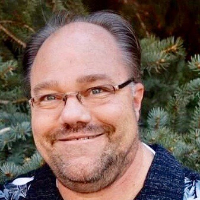
Therapist profile
Brandon Woffinden, LCMHC
Utah
LCMHC - Anxiety and Addictions
Continue with BrandonWhere Brandon stands
- Credentials
- LCMHC
- License
- LCMHC, Utah / 6526381-6004
- NPI
- 1366799959
- Experience
- 10 years
- Languages
- English
- Location
- Utah
About
- CBT methods
- DBT skills
- Mindfulness tools
About Brandon
Brandon Woffinden is a Licensed Clinical Mental Health Counselor (LCMHC) practicing in Utah with 10 years of experience. He works with adults facing stress, anxiety, addictions, trauma and abuse, grief, low self-esteem, relationship and intimacy-related issues, and codependency among other concerns.
Brandon spent a decade in law enforcement before earning a master’s degree in Clinical Mental Health Counseling from the University of Phoenix in 2012. He uses straightforward, skills-based methods in sessions. Common tools include mindfulness, meditation, deep breathing, and cognitive reframing.
He often draws from cognitive behavioral therapy (CBT) and dialectical behavior therapy (DBT) to help people change unhelpful thinking and build emotion regulation skills. Brandon also incorporates elements from other approaches when a client’s needs suggest it, including brief hypnotherapy techniques for focused work.
Sessions tend to be practical and action oriented. Brandon guides clients through exercises and practices they can use between sessions. He also supports exploration of personal and spiritual questions when clients bring those topics up.
People who want help managing anxiety, depression, trauma reactions, or challenges tied to caregiving, work stress, or codependent patterns often find his mix of skills and real-world tools useful. He asks new clients to use a scheduling flow to match and book their first session.
How sessions work
How his approaches translate to online work
Client-centered work focuses on the client’s perspective and aims to build a collaborative working relationship. It involves listening, reflecting, and supporting clients to find what helps them most, which can be useful for issues like life changes and grief.Cognitive Behavioral Therapy (CBT) helps people notice and change unhelpful thoughts and behaviors. It is action oriented and uses exercises, homework, and skill practice to reduce anxiety and depressive patterns.
Dialectical Behavior Therapy (DBT) emphasizes emotion regulation, distress tolerance, and interpersonal effectiveness. It provides concrete skills for managing strong emotions and improving boundary and communication patterns often linked to codependent behavior.
Finding the best approach is part of the work. The therapist will collaborate with each person to choose strategies that match their goals, preferences, and life situation rather than imposing a single method.
The original profile does not specify session formats, so confirm current options before booking. Online work can make it easier to fit sessions into a busy life, allow shorter check-ins when needed, and avoid travel time. It also means practical adjustments are possible, like doing breathing or grounding exercises together on camera or assigning short between-session practices to use during the week.
Areas of focus
Areas of expertise
Also works with
Additional focus areas
Therapeutic approaches
Experience
10+ years
Listed in
Utah
Languages
English
Questions
Frequently asked questions
What kinds of concerns does he work with?
He supports adults with stress, anxiety, addictions, trauma and abuse, grief, depression, codependency, and related issues such as caregiver stress and relationship difficulties.
How would you describe his therapeutic style?
He uses practical, skills-based work with exercises like mindfulness, deep breathing, and cognitive reframing alongside CBT and DBT approaches.
How much clinical experience does he have?
He has 10 years of overall experience, including prior work in law enforcement before completing a master’s in Clinical Mental Health Counseling in 2012.
What are his credentials and where is he based?
He holds the credential LCMHC, and practices in Utah.
Does he work in other languages or with international clients?
Sessions are offered in English. He does not accept international clients.
What session formats are available?
The original profile does not list specific session formats. Please confirm current session options before booking.
How are fees handled?
Cost varies with location and sessions use a subscription that can be canceled at any time.
What should I do to get started?
Select the See online therapy options button, complete a short matching questionnaire, and schedule a first session.
Details come from information the therapist supplied to BetterHelp. A license can be checked with the state board.
Online talk therapy is not emergency care. If you are not safe at home, use the crisis and helpline numbers.