
Velma Jones
LCSWNew York · 29 yrs exp
LCSW focused on relationships and coping
Stress, Anxiety · Relationship · Trauma and abuse · Depression · +10 more
Read profileTherapist listings are provided by BetterHelp. We will earn a commission at no additional cost to you if you use our links to purchase.
This collection groups clinicians who list Post-Traumatic Stress among their specialties and who also note codependency or people-pleasing as a focus. Compare approaches, professional registration and degrees, languages, and listed location, then browse profiles to learn more about each clinician.
New York · 29 yrs exp
LCSW focused on relationships and coping
Stress, Anxiety · Relationship · Trauma and abuse · Depression · +10 more
Read profile
Illinois · 17 yrs exp
Illinois LCSW - Trauma and Relationships
Trauma and abuse · Coping with life changes · Stress, Anxiety · Relationship · +9 more
Read profile
Texas · 13 yrs exp
Licensed Clinical Social Worker - Relationships and Trauma
Stress, Anxiety · Relationship · Trauma and abuse · Anger · +11 more
Read profile
Colorado · 15 yrs exp
Licensed Professional Counselor - Relationships and Codependency
Stress, Anxiety · Relationship · Intimacy-related issues · Self esteem · +10 more
Read profile
Louisiana · 7 yrs exp
Licensed Professional Counselor - Relationships and Trauma
Stress, Anxiety · Family · Trauma and abuse · Parenting · +15 more
Read profile
Florida · 25 yrs exp
LMHC in Florida - Relationships and Trauma
Relationship · Trauma and abuse · Grief · Anger · +12 more
Read profile
Texas · 15 yrs exp
Licensed Professional Counselor - Relationships and Addictions
Addictions · Relationship · Trauma and abuse · Grief · +13 more
Read profile
Florida · 7 yrs exp
Licensed counselor - addictions and relationships
Addictions · Relationship · Family · Trauma and abuse · +13 more
Read profile
Texas · 12 yrs exp
LMFT - Relationships and Codependency
Stress, Anxiety · Addictions · Relationship · Grief · +11 more
Read profile
Missouri · 36 yrs exp
Licensed Clinical Social Worker - Relationships and Mood
Stress, Anxiety · Relationship · Trauma and abuse · Intimacy-related issues · +15 more
Read profile
New York · 5 yrs exp
LMHC in New York - mood and relationship concerns
Stress, Anxiety · LGBT · Trauma and abuse · Bipolar · +12 more
Read profile
Pennsylvania · 12 yrs exp
LMHC and LPCC - Relationships and Codependency
Stress, Anxiety · Relationship · Self esteem · Depression · +11 more
Read profile
North Carolina · 10 yrs exp
LCSW counselor - relationships and codependency
Stress, Anxiety · Relationship · Family · Bipolar · +16 more
Read profile
Texas · 17 yrs exp
Licensed Professional Counselor - Stress and Relationships
Stress, Anxiety · Family · Depression · Coping with life changes · +12 more
Read profile
Missouri · 7 yrs exp
Licensed Professional Counselor - Anxiety and Addictions
Stress, Anxiety · Addictions · Relationship · Self esteem · +13 more
Read profile
Louisiana · 10 yrs exp
LPC in Louisiana - Relationships and Anxiety
Stress, Anxiety · Relationship · Family · Depression · +12 more
Read profile
Texas · 10 yrs exp
Licensed Professional Counselor - Relationships and Codependency
Stress, Anxiety · Relationship · Family · Depression · +14 more
Read profile
Texas · 11 yrs exp
Licensed Professional Counselor - Relationships and Anxiety
Stress, Anxiety · Relationship · Family · Parenting · +9 more
Read profile
Illinois · 10 yrs exp
Licensed counselor - relationships and codependency
Stress, Anxiety · LGBT · Relationship · Trauma and abuse · +10 more
Read profile
Washington · 12 yrs exp
LMHC in Washington - Relationships and Codependency
Stress, Anxiety · Relationship · Family · Self esteem · +15 more
Read profile
South Carolina · 36 yrs exp
LISW-CP counselor - Codependency and mood concerns
Stress, Anxiety · Addictions · Family · Trauma and abuse · +3 more
Read profile
Missouri · 14 yrs exp
Licensed Professional Counselor - Relationships and Codependency
Stress, Anxiety · Self esteem · Career · Depression · +13 more
Read profile
Texas · 22 yrs exp
Dr. Ngozi Okose - LPC, relationship and anxiety work
Stress, Anxiety · Relationship · Trauma and abuse · Depression · +16 more
Read profile
Tennessee · 28 yrs exp
Tennessee psychologist - relationships and mood
Stress, Anxiety · Relationship · Grief · Depression · +10 more
Read profile
New Jersey · 8 yrs exp
LCSW - Anxiety and Relationship Concerns
Stress, Anxiety · Relationship · Trauma and abuse · Bipolar · +14 more
Read profile
Mississippi · 12 yrs exp
Licensed Clinical Social Worker - Stress and Addictions
Stress, Anxiety · Addictions · Anger · Self esteem · +12 more
Read profile
Utah · 6 yrs exp
Licensed counselor - codependency and anxiety
Stress, Anxiety · Trauma and abuse · Self esteem · Depression · +8 more
Read profile
Nebraska · 25 yrs exp
LMHP in Nebraska - Codependency and Relationships
Stress, Anxiety · Family · Trauma and abuse · Parenting · +12 more
Read profile
Texas · 33 yrs exp
LCSW - Relationships and Stress
Stress, Anxiety · Relationship · Family · Self esteem · +11 more
Read profile
Virginia · 13 yrs exp
Licensed counselor - anxiety and relationships
Stress, Anxiety · Anger · Self esteem · Depression · +9 more
Read profile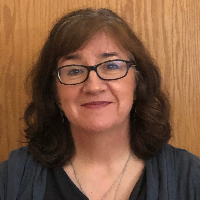
Wisconsin · 17 yrs exp
Licensed Professional Counselor - Relationships and Codependency
Stress, Anxiety · Relationship · Trauma and abuse · Self esteem · +11 more
Read profile
Colorado · 9 yrs exp
Licensed Clinical Social Worker - Relationships and Codependency
Stress, Anxiety · Relationship · Grief · Depression · +11 more
Read profile
New York · 14 yrs exp
Licensed Clinical Social Worker - Anxiety and Relationships
Stress, Anxiety · Trauma and abuse · Grief · Depression · +6 more
Read profile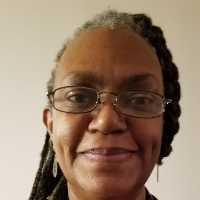
Maryland · 25 yrs exp
Licensed counselor - codependency and addictions
Stress, Anxiety · Addictions · Relationship · Grief · +12 more
Read profile
Ohio · 17 yrs exp
LISW in Ohio - relationships and codependency
Stress, Anxiety · Family · Parenting · Depression · +12 more
Read profile
Oklahoma · 33 yrs exp
Licensed Professional Counselor - Anxiety and Depression
Stress, Anxiety · Depression · Coping with life changes · Relationship · +4 more
Read profile
Michigan · 31 yrs exp
LMSW - relationships and stress
Stress, Anxiety · Family · Trauma and abuse · Self esteem · +16 more
Read profile
Missouri · 35 yrs exp
LCSW in Missouri - mood and relationship concerns
Stress, Anxiety · Trauma and abuse · Anger · Bipolar · +13 more
Read profile
Florida · 32 yrs exp
LMHC in Florida - Relationships and Mood
Stress, Anxiety · Relationship · Trauma and abuse · Bipolar · +8 more
Read profile
Georgia · 7 yrs exp
Licensed therapist - Relationships and Codependency
Stress, Anxiety · Relationship · Intimacy-related issues · Anger · +11 more
Read profile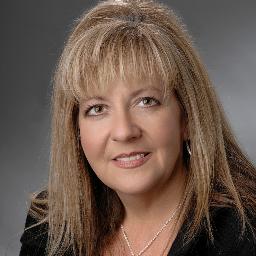
Kansas · 17 yrs exp
Licensed Clinical Professional Counselor - Relationships and Coping
Stress, Anxiety · Relationship · Family · Anger · +10 more
Read profile
Florida · 28 yrs exp
LCSW - Codependency and relationship patterns
Stress, Anxiety · Addictions · Trauma and abuse · Self esteem · +13 more
Read profile
Oklahoma · 20 yrs exp
Licensed Professional Counselor - Addiction and Trauma
Stress, Anxiety · Addictions · Trauma and abuse · Anger · +8 more
Read profile
New York · 25 yrs exp
LCSW - Anxiety and Codependency concerns
Stress, Anxiety · Grief · Anger · Self esteem · +6 more
Read profile
North Carolina · 30 yrs exp
Licensed counselor for anxiety and trauma
Stress, Anxiety · Addictions · LGBT · Trauma and abuse · +1 more
Read profile
Texas · 26 yrs exp
LPC in Texas - Relationship and Stress concerns
Stress, Anxiety · Relationship · Trauma and abuse · Grief · +11 more
Read profile
Texas · 16 yrs exp
LPC in Texas - Trauma and Addiction focus
Stress, Anxiety · Addictions · Self esteem · Depression · +9 more
Read profile
Minnesota · 7 yrs exp
LPCC counselor - Stress and relationships
Stress, Anxiety · LGBT · Trauma and abuse · Self esteem · +9 more
Read profile
Florida · 20 yrs exp
LMHC in Florida - Stress and Relationships
Stress, Anxiety · Relationship · Grief · Self esteem · +1 more
Read profile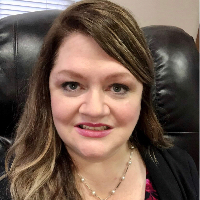
Georgia · 27 yrs exp
Licensed Professional Counselor - Anxiety and Relationships
Stress, Anxiety · Trauma and abuse · Bipolar · Depression · +16 more
Read profile
Oklahoma · 27 yrs exp
LPC helping with codependency and related concerns
Stress, Anxiety · Addictions · Parenting · Anger · +11 more
Read profile
Indiana · 12 yrs exp
LCSW counselor - codependency and mood concerns
Stress, Anxiety · Trauma and abuse · Self esteem · Bipolar · +10 more
Read profile
North Carolina · 20 yrs exp
Licensed counselor - Anxiety and Addictions
Stress, Anxiety · Parenting · Self esteem · Depression · +15 more
Read profile
South Carolina · 8 yrs exp
Licensed Professional Counselor - trauma and relationships
Stress, Anxiety · Trauma and abuse · Self esteem · Depression · +16 more
Read profile
Ohio · 16 yrs exp
LPCC in Ohio - anxiety and relationships
Stress, Anxiety · Depression · Coping with life changes · Addictions · +11 more
Read profile
Florida · 18 yrs exp
LMHC - Relationships and Mood Concerns
Stress, Anxiety · Parenting · Anger · Self esteem · +13 more
Read profile
Illinois · 5 yrs exp
Illinois psychologist for codependency and relationships
Stress, Anxiety · Relationship · Trauma and abuse · Depression · +12 more
Read profile
Ohio · 13 yrs exp
Ohio LPCC - Anxiety and Addictions
Stress, Anxiety · Addictions · Family · Self esteem · +11 more
Read profile
Colorado · 20 yrs exp
LCSW - Trauma and Relationship Concerns
Stress, Anxiety · Trauma and abuse · Grief · Depression · +15 more
Read profile
Pennsylvania · 15 yrs exp
Licensed Professional Counselor - Relationships and Mood
Stress, Anxiety · Relationship · Self esteem · Depression · +14 more
Read profileWhen you habitually put other people first, manage moods around someone else, or have difficulty saying no, stress and trauma responses can show up in ways that feel confusing. You might find yourself replaying interactions, avoiding conflict even when it hurts you, or feeling numb and detached in relationships. Post-Traumatic Stress can appear as intrusive memories, heightened reactivity, avoidance of reminders, or changes in how you relate to others. These experiences can amplify people-pleasing patterns by making you more vigilant about potential threats to relationships or safety.
Thinking about therapy can feel daunting if you have learned to prioritize others. It is reasonable to want clear information about how a clinician approaches trauma and relational patterns like codependency. Profiles on this page are a starting point to see who lists Post-Traumatic Stress alongside codependency or people-pleasing. Use that information to focus your search on clinicians whose listed approaches and experience seem aligned with how you prefer to work.
Trauma and people-pleasing often overlap, but one does not always cause the other. For some, past threats or unpredictable environments shape survival responses that later look like people-pleasing; for others, long-term caregiving or relationship obligations may create chronic stress that resembles trauma responses. Either way, the interplay can affect boundaries, self-worth, and how you tolerate emotional intensity. You may notice that saying no triggers intense anxiety, or that you stay in stressful situations because doing otherwise feels unsafe in emotional or practical terms.
On this page you will find clinicians who list Post-Traumatic Stress as a focus and who also note codependency or people-pleasing. That co-listing indicates they see these concerns together in practice, but it does not guarantee a single model of care or a particular pathway of treatment. When you read profiles, look for language about relational work, boundary-setting, and trauma-informed approaches as possible conversation starters rather than definitive claims. Your experience is unique, and a clinician who acknowledges both trauma and patterns of caretaking may be more likely to discuss how the two interact in your life.
Before you reach out, have a few concrete questions in mind so you can compare profiles more effectively. Ask how the clinician typically frames work with trauma and relational patterns, whether they focus on emotion regulation, interpersonal skills, or narrative processing, and which approaches they list among their tools. Remember that a profile note that names a modality simply indicates the approach is among those the clinician lists; it is appropriate to ask how they integrate that approach into sessions and what role it plays for people with your concerns.
Clarify what the clinician’s degrees and professional registration mean in practical terms. Degrees such as PhD, PsyD, MD, MA, or MSW describe academic training. Degrees do not by themselves confirm current permission to practice. In the United States, clinicians who provide therapy usually hold a professional license such as LCSW, LPC, LMFT, or a state license for psychologists. In the United Kingdom, practitioners may be registered with a statutory regulator or hold membership in professional bodies, while in Australia clinicians may be registered or be members of national professional associations. Profiles will list degrees and professional descriptors; it is reasonable to ask a clinician whether they are permitted to practice with you in your location and what their current registration or licensure status is.
If you plan to contact someone who offers remote sessions, prepare to ask about practical and safety topics so you know what to expect. Discuss time zones and the clinician’s listed location if that matters to you, whether they are authorized to work with people in your jurisdiction, and what technology or platforms they use. Ask how they handle privacy and recordkeeping, what to do if a session is interrupted, and how they would respond if you were to feel unsafe during or between sessions. If you are currently unsafe at home or in immediate danger, contact local emergency services right away or reach out to a domestic-abuse helpline for support and safety planning.
It is also important to talk about the clinician’s experience with the specific combination of Post-Traumatic Stress and people-pleasing or codependency patterns. Rather than assuming that a listed topic equals expertise, ask about the kinds of issues they commonly address, how they work with boundary-setting and self-worth, and whether they support clients in practical steps such as safety planning, community resources, or developing interpersonal limits. These conversations will help you determine whether a clinician’s style and orientation fit the way you prefer to work.
When comparing profiles, read beyond a single headline and consider several dimensions that affect the fit. Look at the mix of focus areas to see whether a clinician emphasizes trauma recovery alongside relational patterns, boundary work, and coping strategies for people-pleasing. Note the approaches they list as options to discuss in sessions, understanding that some clinicians list a range of approaches they may use flexibly. If a profile lists specific techniques among approaches, you can ask how those techniques are adapted for someone whose primary concern is chronic caretaking or difficulty saying no.
Pay attention to listed languages and cultural competencies if those are important to you, and note the clinician’s stated populations or settings if any are given. Remember that a listed topic does not establish that a clinician treats children, couples, or families unless the profile explicitly says so. Compare credentials by separating academic degrees from professional permissions - degrees indicate training, while license, registration, or membership indicates the current framework under which the clinician practices. Finally, use the tone of the profile and any practitioner statements about therapeutic style to gauge how direct, relational, or skills-focused they tend to be, and plan to ask for examples of what a typical early session would cover. That will give you practical insight into whether a clinician’s style matches your needs.
Searching for help when you have a pattern of people-pleasing can feel vulnerable, and it is reasonable to take time comparing profiles and preparing questions. Use listed focus areas, approaches, languages, and professional descriptors to narrow your search, and then reach out to clinicians to learn more about how they work with trauma and relational patterns. If you are in immediate danger, prioritize contacting emergency services or a domestic-abuse hotline for immediate assistance. Otherwise, a focused conversation with a clinician about boundaries, safety planning, and how trauma shows up in your relationships can help you decide whether to begin working together.
Alabama
72 therapists
Alaska
9 therapists
Arizona
83 therapists
Arkansas
38 therapists
Australia
111 therapists
California
415 therapists
Colorado
131 therapists
Connecticut
39 therapists
Delaware
9 therapists
District of Columbia
7 therapists
Florida
603 therapists
Georgia
130 therapists
Hawaii
17 therapists
Idaho
39 therapists
Illinois
156 therapists
Indiana
94 therapists
Iowa
30 therapists
Kansas
37 therapists
Kentucky
82 therapists
Louisiana
90 therapists
Maine
17 therapists
Maryland
43 therapists
Massachusetts
58 therapists
Michigan
157 therapists
Minnesota
80 therapists
Mississippi
52 therapists
Missouri
156 therapists
Montana
31 therapists
Nebraska
28 therapists
Nevada
32 therapists
New Hampshire
12 therapists
New Jersey
113 therapists
New Mexico
24 therapists
New York
234 therapists
North Carolina
189 therapists
North Dakota
3 therapists
Ohio
131 therapists
Oklahoma
88 therapists
Oregon
37 therapists
Pennsylvania
188 therapists
Rhode Island
8 therapists
South Carolina
100 therapists
South Dakota
12 therapists
Tennessee
85 therapists
Texas
508 therapists
United Kingdom
1067 therapists
Utah
57 therapists
Vermont
9 therapists
Virginia
84 therapists
Washington
70 therapists
West Virginia
22 therapists
Wisconsin
86 therapists
Wyoming
17 therapists