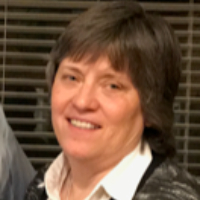
Therapist profile
Charlotte Gibbons, LCSW
Utah
LCSW - Relationships and trauma
Continue with CharlotteWhere Charlotte stands
- Credentials
- LCSW
- License
- LCSW, Utah / 138698-3501; LCSW, California / 99062; LCSW, Oregon / L12971
- NPI
- 1699005751
- Experience
- 20 years
- Languages
- English
- Location
- Utah
About
- CBT techniques
- Mindfulness practice
- DBT skills
About Charlotte
Charlotte Gibbons is a Licensed Clinical Social Worker (LCSW) in Utah with 20 years of experience. She works with relationship and family concerns, trauma and abuse, parenting struggles, stress and anxiety, addictions, grief, codependency, and related issues.
She keeps sessions conversational and practical. Charlotte uses straightforward talk to help people understand patterns that keep them stuck. She draws on cognitive behavioral ideas to change unhelpful thoughts and behaviors, and on mindfulness to slow down and notice reactions.
Her work also includes techniques from dialectical behavior approaches to help manage strong emotions. Jungian ideas inform attention to personal meaning and recurring themes people bring into relationships. She blends these approaches rather than relying on a single method.
In sessions Charlotte discusses real-life steps people can try between meetings. That might look like simple behavior experiments, communication practice, or short mindfulness exercises. She pays attention to how family history and past wounds shape current choices.
People who struggle with people-pleasing, trouble saying no, or giving themselves up for others often come to her to learn clearer boundaries. She helps with parenting stress, caregiver strain, and the ripple effects of living with mood or addiction problems. Conversations aim to increase clarity about what a person wants and how to move toward it.
Charlotte has worked across varied settings over two decades and uses that experience to keep plans pragmatic. If someone wants coaching-style support alongside counseling, she integrates skills and short-term goals into the work.
How sessions work
Therapeutic approaches and online sessions
Client-centered work focuses on listening and helping people name what matters to them. This approach helps clarify goals and builds on a person's own strengths to make changes in relationships and day-to-day choices.Cognitive Behavioral Therapy (CBT) looks at the link between thoughts, feelings, and actions. It uses practical exercises and short experiments to shift unhelpful thinking and reduce anxiety, depression, or people-pleasing habits.
Dialectical Behavior Therapy (DBT) offers concrete skills for handling intense emotions and improving communication. It can be useful when emotions feel overwhelming or when setting and keeping boundaries is difficult.
Finding the right mix of approaches is part of the work. The therapist will collaborate with each person to choose methods that fit their goals, needs, and preferences rather than applying one fixed model.
Confirm the current session options before booking so you know what formats are offered. Many people find online sessions help fit therapy into busy days, make it easier to join from different locations, and allow for shorter check-ins when needed. Ask about the practical details so sessions match your schedule and life obligations.
Areas of focus
Areas of expertise
Primary focus
Also works with
Additional focus areas
Therapeutic approaches
Experience
20+ years
Listed in
Utah, California, Oregon
Languages
English
Questions
Frequently asked questions
What concerns does she help with?
She supports adults with relationship and family problems, trauma and abuse, parenting stress, anxiety, depression, addictions, and codependency-related patterns.
What is her therapy style like?
Her style is conversational and interactive. She uses practical exercises, skills practice, and focused discussion rather than medical or label-focused language.
How much experience does she have?
She has 20 years of clinical experience working in settings that include trauma, family, and cultural issues.
What are her credentials and where is she based?
She is a Licensed Clinical Social Worker, CA LCSW and UT LCSW, and practices from Utah.
Are sessions offered in other languages?
Sessions are offered in English.
Can international clients work with her?
She accepts international clients; check practical details when you arrange sessions.
How do sessions and cost work?
Cost varies with location and sessions use a subscription that can be canceled at any time. Confirm pricing details before scheduling.
How do I start a first session?
Select the See online therapy options button, complete the short matching questionnaire, and schedule a first session.
Details come from information the therapist supplied to BetterHelp. A license can be checked with the state board.
Online talk therapy is not emergency care. If you are not safe at home, use the crisis and helpline numbers.