
Velma Jones
LCSWNew York · 29 yrs exp
LCSW focused on relationships and coping
Stress, Anxiety · Relationship · Trauma and abuse · Depression · +10 more
Read profileTherapist listings are provided by BetterHelp. We will earn a commission at no additional cost to you if you use our links to purchase.
This page groups profiles of professionals who list Jealousy as a focus area alongside codependency and people-pleasing. Browse listings to compare approaches, credentials, languages and listed location before contacting any practitioner.
New York · 29 yrs exp
LCSW focused on relationships and coping
Stress, Anxiety · Relationship · Trauma and abuse · Depression · +10 more
Read profile
Texas · 13 yrs exp
Licensed Clinical Social Worker - Relationships and Trauma
Stress, Anxiety · Relationship · Trauma and abuse · Anger · +11 more
Read profile
Colorado · 15 yrs exp
Licensed Professional Counselor - Relationships and Codependency
Stress, Anxiety · Relationship · Intimacy-related issues · Self esteem · +10 more
Read profile
Louisiana · 7 yrs exp
Licensed Professional Counselor - Relationships and Trauma
Stress, Anxiety · Family · Trauma and abuse · Parenting · +15 more
Read profile
Texas · 15 yrs exp
Licensed Professional Counselor - Relationships and Addictions
Addictions · Relationship · Trauma and abuse · Grief · +13 more
Read profile
Florida · 7 yrs exp
Licensed counselor - addictions and relationships
Addictions · Relationship · Family · Trauma and abuse · +13 more
Read profile
Texas · 12 yrs exp
LMFT - Relationships and Codependency
Stress, Anxiety · Addictions · Relationship · Grief · +11 more
Read profile
Pennsylvania · 12 yrs exp
LMHC and LPCC - Relationships and Codependency
Stress, Anxiety · Relationship · Self esteem · Depression · +11 more
Read profile
North Carolina · 10 yrs exp
LCSW counselor - relationships and codependency
Stress, Anxiety · Relationship · Family · Bipolar · +16 more
Read profile
Florida · 12 yrs exp
LMHC in Florida - Relationships and Mood
Stress, Anxiety · Relationship · Intimacy-related issues · Depression · +8 more
Read profile
Florida · 15 yrs exp
Licensed Clinical Social Worker - Relationships and Intimacy
Relationship · Family · Intimacy-related issues · Coaching · +4 more
Read profile
Missouri · 7 yrs exp
Licensed Professional Counselor - Anxiety and Addictions
Stress, Anxiety · Addictions · Relationship · Self esteem · +13 more
Read profile
Louisiana · 10 yrs exp
LPC in Louisiana - Relationships and Anxiety
Stress, Anxiety · Relationship · Family · Depression · +12 more
Read profile
Texas · 10 yrs exp
Licensed Professional Counselor - Relationships and Codependency
Stress, Anxiety · Relationship · Family · Depression · +14 more
Read profile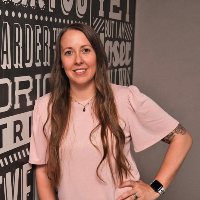
Wisconsin · 8 yrs exp
LPC in Wisconsin focused on relationships and codependency
Relationship · Intimacy-related issues · Coping with life changes · Stress, Anxiety · +8 more
Read profile
Texas · 11 yrs exp
Licensed Professional Counselor - Relationships and Anxiety
Stress, Anxiety · Relationship · Family · Parenting · +9 more
Read profile
Ohio · 33 yrs exp
LPCC in Ohio - Trauma and Codependency support
Stress, Anxiety · Family · Trauma and abuse · Self esteem · +12 more
Read profile
Illinois · 10 yrs exp
Licensed counselor - relationships and codependency
Stress, Anxiety · LGBT · Relationship · Trauma and abuse · +10 more
Read profile
Florida · 10 yrs exp
LCSW - Relationship and Addiction Concerns
Stress, Anxiety · Addictions · Family · Grief · +8 more
Read profile
Texas · 22 yrs exp
Dr. Ngozi Okose - LPC, relationship and anxiety work
Stress, Anxiety · Relationship · Trauma and abuse · Depression · +16 more
Read profile
Tennessee · 28 yrs exp
Tennessee psychologist - relationships and mood
Stress, Anxiety · Relationship · Grief · Depression · +10 more
Read profile
Georgia · 25 yrs exp
LISW LCSW - Relationships and Codependency
Stress, Anxiety · Parenting · Anger · Self esteem · +15 more
Read profile
Nebraska · 25 yrs exp
LMHP in Nebraska - Codependency and Relationships
Stress, Anxiety · Family · Trauma and abuse · Parenting · +12 more
Read profile
Texas · 33 yrs exp
LCSW - Relationships and Stress
Stress, Anxiety · Relationship · Family · Self esteem · +11 more
Read profile
Virginia · 13 yrs exp
Licensed counselor - anxiety and relationships
Stress, Anxiety · Anger · Self esteem · Depression · +9 more
Read profile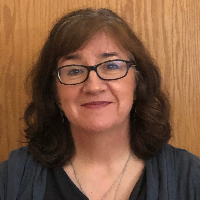
Wisconsin · 17 yrs exp
Licensed Professional Counselor - Relationships and Codependency
Stress, Anxiety · Relationship · Trauma and abuse · Self esteem · +11 more
Read profile
South Carolina · 20 yrs exp
Licensed Independent Social Worker - Relationships and Eating Issues
Stress, Anxiety · Relationship · Eating · Self esteem · +10 more
Read profile
Colorado · 9 yrs exp
Licensed Clinical Social Worker - Relationships and Codependency
Stress, Anxiety · Relationship · Grief · Depression · +11 more
Read profile
Ohio · 17 yrs exp
LISW in Ohio - relationships and codependency
Stress, Anxiety · Family · Parenting · Depression · +12 more
Read profile
Illinois · 38 yrs exp
LCPC in Illinois - Codependency and Anxiety
Stress, Anxiety · Self esteem · Depression · Coping with life changes · +9 more
Read profile
Michigan · 31 yrs exp
LMSW - relationships and stress
Stress, Anxiety · Family · Trauma and abuse · Self esteem · +16 more
Read profile
New York · 15 yrs exp
Licensed Clinical Social Worker - Relationships and Addictions
Stress, Anxiety · Addictions · Relationship · Self esteem · +10 more
Read profile
Georgia · 7 yrs exp
Licensed therapist - Relationships and Codependency
Stress, Anxiety · Relationship · Intimacy-related issues · Anger · +11 more
Read profile
Kansas · 17 yrs exp
Licensed Clinical Professional Counselor - Relationships and Coping
Stress, Anxiety · Relationship · Family · Anger · +10 more
Read profile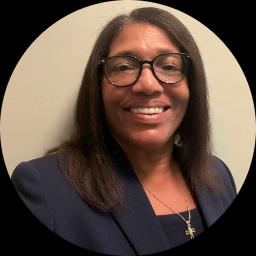
Mississippi · 36 yrs exp
LCSW - Family and Codependency concerns
Family · Parenting · Anger · Self esteem · +11 more
Read profile
Wyoming · 14 yrs exp
LCSW in Wyoming - mood and relationship concerns
Addictions · Relationship · Depression · Coping with life changes · +11 more
Read profile
Texas · 26 yrs exp
LPC in Texas - Relationship and Stress concerns
Stress, Anxiety · Relationship · Trauma and abuse · Grief · +11 more
Read profile
Florida · 20 yrs exp
LMHC in Florida - Stress and Relationships
Stress, Anxiety · Relationship · Grief · Self esteem · +1 more
Read profile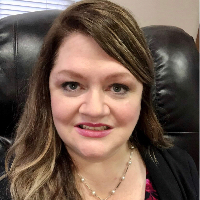
Georgia · 27 yrs exp
Licensed Professional Counselor - Anxiety and Relationships
Stress, Anxiety · Trauma and abuse · Bipolar · Depression · +16 more
Read profile
Oklahoma · 27 yrs exp
LPC helping with codependency and related concerns
Stress, Anxiety · Addictions · Parenting · Anger · +11 more
Read profile
Indiana · 12 yrs exp
LCSW counselor - codependency and mood concerns
Stress, Anxiety · Trauma and abuse · Self esteem · Bipolar · +10 more
Read profile
Ohio · 16 yrs exp
LPCC in Ohio - anxiety and relationships
Stress, Anxiety · Depression · Coping with life changes · Addictions · +11 more
Read profile
Florida · 18 yrs exp
LMHC - Relationships and Mood Concerns
Stress, Anxiety · Parenting · Anger · Self esteem · +13 more
Read profile
Illinois · 5 yrs exp
Illinois psychologist for codependency and relationships
Stress, Anxiety · Relationship · Trauma and abuse · Depression · +12 more
Read profile
Pennsylvania · 15 yrs exp
Licensed Professional Counselor - Relationships and Mood
Stress, Anxiety · Relationship · Self esteem · Depression · +14 more
Read profile
South Carolina · 20 yrs exp
Licensed counselor - codependency and relationships
Stress, Anxiety · Relationship · Trauma and abuse · Anger · +11 more
Read profile
Texas · 19 yrs exp
Licensed counselor - Relationships and Stress
Stress, Anxiety · Relationship · Family · Trauma and abuse · +12 more
Read profile
Virginia · 20 yrs exp
VA Psychologist - Codependency and Trauma
Read profile
Indiana · 25 yrs exp
LCSW - Anxiety and Relationship Support
Stress, Anxiety · Relationship · Grief · Self esteem · +12 more
Read profile
Missouri · 22 yrs exp
Prof. Michael McGaugh LPC - Anxiety and Relationships
Stress, Anxiety · Family · Trauma and abuse · Grief · +13 more
Read profile
Texas · 15 yrs exp
Licensed Professional Counselor - Anxiety and Relationship Concerns
Stress, Anxiety · Grief · Self esteem · Depression · +13 more
Read profile
Colorado · 22 yrs exp
Licensed Clinical Social Worker - Relationships and Trauma
Stress, Anxiety · Relationship · Trauma and abuse · Depression · +16 more
Read profile
New York · 25 yrs exp
LCSW - Relationships and Codependency
Stress, Anxiety · Relationship · Family · Trauma and abuse · +15 more
Read profile
Texas · 13 yrs exp
Licensed Professional Counselor - Relationships and ADHD
Stress, Anxiety · Relationship · Family · Parenting · +14 more
Read profile
Texas · 16 yrs exp
Licensed Professional Counselor - Stress and Relationships
Stress, Anxiety · Family · Parenting · Bipolar · +11 more
Read profile
Florida · 20 yrs exp
LCSW - Relationships and Emotional Health
Stress, Anxiety · Relationship · Family · Trauma and abuse · +16 more
Read profile
Pennsylvania · 12 yrs exp
LPC in Pennsylvania - anxiety and relationships
Stress, Anxiety · Family · Grief · Parenting · +11 more
Read profile
Michigan · 25 yrs exp
Licensed Professional Counselor - Relationships and Mood
Stress, Anxiety · Relationship · Grief · Self esteem · +9 more
Read profile
Texas · 21 yrs exp
LMFT in Texas - trauma and life changes
Trauma and abuse · Parenting · Self esteem · Depression · +8 more
Read profile
Florida · 16 yrs exp
LCSW working with relationships and life stress
Stress, Anxiety · Relationship · Parenting · Self esteem · +8 more
Read profileJealousy can feel confusing and painful, especially if you habitually prioritise other people over your own needs. You may notice that jealous feelings arrive alongside worry about being abandoned, or that they flare when you struggle to say no or to hold personal boundaries. In those moments jealousy often feels less like simple envy and more like a signal about how much you are relying on someone else for your worth or emotional safety. Recognising that pattern does not place blame on you or on someone else - it offers a way to see where change might be possible if you choose it.
Exploring jealousy with a professional can help you separate immediate emotional reactions from deeper fears and long-held relational habits such as chronic caretaking or people-pleasing. That work often focuses on building a clearer sense of what you need and how to communicate that without erasing your own boundaries. If you are in immediate danger where you live, call emergency services - for example 911 in the United States, 999 or 112 in the United Kingdom, or 000 in Australia - or contact your local domestic-abuse helpline for specialist support.
Jealousy, codependency and people-pleasing can overlap but none of them automatically causes the others. You might find that jealousy becomes louder when your sense of self is enmeshed with another person, or when you organize your life around someone else s moods or crises. In such situations your responses can feel reactive because your emotional safety is tied to another person's attention or approval. At other times jealousy may arise from unmet needs, past experiences of rejection, or cultural messages about worth and belonging. It is helpful to keep an open mind about origins - for some people jealousy is more a present-moment attachment issue, while for others it ties back to earlier relational patterns.
When you look at profiles on this page, notice whether practitioners list work with codependency or people-pleasing alongside jealousy. That pairing can indicate clinicians who regularly encounter related dynamics, but a listed focus does not guarantee a particular method or outcome. Use profiles to identify clinicians who describe areas that match your experience, then bring specific questions to an initial conversation to see how they frame the relationship between jealousy and your broader relational patterns.
Before you reach out, decide what matters most to you in a clinician s approach. Ask whether they commonly work with jealousy in the context of people-pleasing or codependency, and how they describe progress in this area. You can ask which therapeutic orientations they list among their approaches and what that looks like in practice. For example, some therapists list cognitive behavioral therapy, emotion-focused work, psychodynamic approaches, interpersonal therapy, acceptance and commitment approaches, or trauma-informed work among their approaches; asking for concrete examples of how these ways of working address jealousy will give you a clearer sense of fit.
Also consider practical questions about experience with specific populations and life circumstances. Ask if they have experience supporting people who manage relationship roles around someone else s substance use, unpredictable moods, or crisis patterns. If cultural factors, sexuality, gender identity or parenting status are relevant to you, ask how they approach those topics. Ask how they track progress and what collaborative steps you might expect in early sessions. Concrete questions reduce guesswork and help you compare profiles on a shared basis.
If you are considering remote care, discuss how the clinician handles practical and safety issues before beginning. Ask about how they will manage emergency plans if you experience intense distress between appointments and how they recommend you prepare your own local supports or contacts. Clarify time zone differences if the listed location is in another region, and confirm any preferences about whether you will use video, phone, or messaging for sessions. It is reasonable to ask how they maintain the privacy of sessions online and what to expect if technology interrupts a meeting.
When you are attending remotely from a place where you do not feel safe to speak openly, discuss options for creating a safe setting. If you are currently experiencing abuse or violence at home, call local emergency services and consider contacting a domestic-abuse helpline for specialist guidance and planning. Therapists can often help with safety planning, but that is distinct from emergency support, so make sure you have local resources in place before starting remote work.
Profiles can vary in the detail they provide. Start by checking whether the clinician lists jealousy alongside codependency or people-pleasing as a focus area, then look at the languages they list and the listed location to understand geographic context. Profiles may display academic degrees such as PhD, PsyD, MD, MA or MSW. Keep in mind that a degree alone does not establish current permission to practise; some profiles also show professional licences or registrations. In the United States you may see credentials such as LCSW, LPC, LMFT or clinical psychologist licences. In the United Kingdom clinicians may note registration with bodies such as the HCPC or membership in associations like BACP or UKCP. In Australia some clinicians are registered with AHPRA or belong to professional associations such as the APS or ACA. Use those details to guide questions, not as the only basis for choice.
Style matters as much as credentials. Some clinicians describe a more collaborative or exploratory stance, while others describe a more structured or skills-based approach. To compare style, ask how they typically work when jealousy and people-pleasing are present together - do they focus on building boundary skills, on exploring attachment history, or on changing thoughts and behaviours in the moment? Ask about cultural humility and how they adapt to different family norms and relationship models. Not every clinician will mention all of these elements on a profile, so use the profile to select a few candidates and bring these comparison questions to an introductory conversation.
Choosing someone to contact is a personal decision. Use the profiles on this page to narrow your options based on focus areas, languages, listed location and credentials, and then reach out with the concrete questions that matter to you. That process will help you find a clinician whose approach and style fit your needs as you explore jealousy, boundaries and the patterns that arise when you put others first.
Alabama
72 therapists
Alaska
9 therapists
Arizona
83 therapists
Arkansas
38 therapists
Australia
111 therapists
California
415 therapists
Colorado
131 therapists
Connecticut
39 therapists
Delaware
9 therapists
District of Columbia
7 therapists
Florida
603 therapists
Georgia
130 therapists
Hawaii
17 therapists
Idaho
39 therapists
Illinois
156 therapists
Indiana
94 therapists
Iowa
30 therapists
Kansas
37 therapists
Kentucky
82 therapists
Louisiana
90 therapists
Maine
17 therapists
Maryland
43 therapists
Massachusetts
58 therapists
Michigan
157 therapists
Minnesota
80 therapists
Mississippi
52 therapists
Missouri
156 therapists
Montana
31 therapists
Nebraska
28 therapists
Nevada
32 therapists
New Hampshire
12 therapists
New Jersey
113 therapists
New Mexico
24 therapists
New York
234 therapists
North Carolina
189 therapists
North Dakota
3 therapists
Ohio
131 therapists
Oklahoma
88 therapists
Oregon
37 therapists
Pennsylvania
188 therapists
Rhode Island
8 therapists
South Carolina
100 therapists
South Dakota
12 therapists
Tennessee
85 therapists
Texas
508 therapists
United Kingdom
1067 therapists
Utah
57 therapists
Vermont
9 therapists
Virginia
84 therapists
Washington
70 therapists
West Virginia
22 therapists
Wisconsin
86 therapists
Wyoming
17 therapists