
Velma Jones
LCSWNew York · 29 yrs exp
LCSW focused on relationships and coping
Stress, Anxiety · Relationship · Trauma and abuse · Depression · +10 more
Read profileTherapist listings are provided by BetterHelp. We will earn a commission at no additional cost to you if you use our links to purchase.
This page groups profiles of professionals who list Self Esteem among their focus areas, alongside codependency and people-pleasing. Compare approaches, credentials, languages and listed location, then browse profiles to find a match for your needs.
New York · 29 yrs exp
LCSW focused on relationships and coping
Stress, Anxiety · Relationship · Trauma and abuse · Depression · +10 more
Read profile
Oklahoma · 21 yrs exp
LMFT in Oklahoma - relationships and mood
Stress, Anxiety · Relationship · Family · Self esteem · +8 more
Read profile
Illinois · 17 yrs exp
Illinois LCSW - Trauma and Relationships
Trauma and abuse · Coping with life changes · Stress, Anxiety · Relationship · +9 more
Read profile
Texas · 13 yrs exp
Licensed Clinical Social Worker - Relationships and Trauma
Stress, Anxiety · Relationship · Trauma and abuse · Anger · +11 more
Read profile
Nevada · 30 yrs exp
Licensed counselor - grief and anxiety
Stress, Anxiety · Grief · Self esteem · Coping with life changes · +14 more
Read profile
Michigan · 20 yrs exp
Licensed Master Social Worker - Stress and Relationships
Stress, Anxiety · Relationship · Self esteem · Family · +6 more
Read profile
Florida · 10 yrs exp
Licensed counselor - Codependency and Addictions
Stress, Anxiety · Addictions · Anger · Depression · +12 more
Read profile
Colorado · 15 yrs exp
Licensed Professional Counselor - Relationships and Codependency
Stress, Anxiety · Relationship · Intimacy-related issues · Self esteem · +10 more
Read profile
Louisiana · 7 yrs exp
Licensed Professional Counselor - Relationships and Trauma
Stress, Anxiety · Family · Trauma and abuse · Parenting · +15 more
Read profile
Florida · 25 yrs exp
LMHC in Florida - Relationships and Trauma
Relationship · Trauma and abuse · Grief · Anger · +12 more
Read profile
Texas · 15 yrs exp
Licensed Professional Counselor - Relationships and Addictions
Addictions · Relationship · Trauma and abuse · Grief · +13 more
Read profile
Florida · 7 yrs exp
Licensed counselor - addictions and relationships
Addictions · Relationship · Family · Trauma and abuse · +13 more
Read profile
Texas · 12 yrs exp
LMFT - Relationships and Codependency
Stress, Anxiety · Addictions · Relationship · Grief · +11 more
Read profile
Missouri · 36 yrs exp
Licensed Clinical Social Worker - Relationships and Mood
Stress, Anxiety · Relationship · Trauma and abuse · Intimacy-related issues · +15 more
Read profile
New York · 5 yrs exp
LMHC in New York - mood and relationship concerns
Stress, Anxiety · LGBT · Trauma and abuse · Bipolar · +12 more
Read profile
Pennsylvania · 12 yrs exp
LMHC and LPCC - Relationships and Codependency
Stress, Anxiety · Relationship · Self esteem · Depression · +11 more
Read profile
North Carolina · 10 yrs exp
LCSW counselor - relationships and codependency
Stress, Anxiety · Relationship · Family · Bipolar · +16 more
Read profile
Texas · 17 yrs exp
Licensed Professional Counselor - Stress and Relationships
Stress, Anxiety · Family · Depression · Coping with life changes · +12 more
Read profile
Florida · 12 yrs exp
LMHC in Florida - Relationships and Mood
Stress, Anxiety · Relationship · Intimacy-related issues · Depression · +8 more
Read profile
Missouri · 7 yrs exp
Licensed Professional Counselor - Anxiety and Addictions
Stress, Anxiety · Addictions · Relationship · Self esteem · +13 more
Read profile
Louisiana · 10 yrs exp
LPC in Louisiana - Relationships and Anxiety
Stress, Anxiety · Relationship · Family · Depression · +12 more
Read profile
Texas · 10 yrs exp
Licensed Professional Counselor - Relationships and Codependency
Stress, Anxiety · Relationship · Family · Depression · +14 more
Read profile
Wisconsin · 8 yrs exp
LPC in Wisconsin focused on relationships and codependency
Relationship · Intimacy-related issues · Coping with life changes · Stress, Anxiety · +8 more
Read profile
Texas · 11 yrs exp
Licensed Professional Counselor - Relationships and Anxiety
Stress, Anxiety · Relationship · Family · Parenting · +9 more
Read profile
Ohio · 33 yrs exp
LPCC in Ohio - Trauma and Codependency support
Stress, Anxiety · Family · Trauma and abuse · Self esteem · +12 more
Read profile
Illinois · 10 yrs exp
Licensed counselor - relationships and codependency
Stress, Anxiety · LGBT · Relationship · Trauma and abuse · +10 more
Read profile
North Carolina · 13 yrs exp
LCSW - Relationships and Confidence
Stress, Anxiety · Relationship · Family · Self esteem · +13 more
Read profile
Washington · 12 yrs exp
LMHC in Washington - Relationships and Codependency
Stress, Anxiety · Relationship · Family · Self esteem · +15 more
Read profile
Florida · 10 yrs exp
LCSW - Relationship and Addiction Concerns
Stress, Anxiety · Addictions · Family · Grief · +8 more
Read profile
Virginia · 19 yrs exp
Licensed counselor - anxiety and relationships
Stress, Anxiety · Grief · Self esteem · Depression · +11 more
Read profile
Missouri · 14 yrs exp
Licensed Professional Counselor - Relationships and Codependency
Stress, Anxiety · Self esteem · Career · Depression · +13 more
Read profile
Virginia · 23 yrs exp
Licensed Professional Counselor - trauma and relationships
Stress, Anxiety · Trauma and abuse · Self esteem · Depression · +9 more
Read profile
Texas · 22 yrs exp
Dr. Ngozi Okose - LPC, relationship and anxiety work
Stress, Anxiety · Relationship · Trauma and abuse · Depression · +16 more
Read profile
Kentucky · 11 yrs exp
Licensed Marriage and Family Therapist - Relationships and Codependency
Stress, Anxiety · Relationship · Family · Self esteem · +9 more
Read profile
Tennessee · 28 yrs exp
Tennessee psychologist - relationships and mood
Stress, Anxiety · Relationship · Grief · Depression · +10 more
Read profile
New Jersey · 8 yrs exp
LCSW - Anxiety and Relationship Concerns
Stress, Anxiety · Relationship · Trauma and abuse · Bipolar · +14 more
Read profile
Mississippi · 12 yrs exp
Licensed Clinical Social Worker - Stress and Addictions
Stress, Anxiety · Addictions · Anger · Self esteem · +12 more
Read profile
Texas · 8 yrs exp
LCSW helping with relationships and stress
Stress, Anxiety · Relationship · Self esteem · Depression · +8 more
Read profile
Utah · 6 yrs exp
Licensed counselor - codependency and anxiety
Stress, Anxiety · Trauma and abuse · Self esteem · Depression · +8 more
Read profile
Alabama · 15 yrs exp
Licensed counselor - anxiety and relationships
Stress, Anxiety · Addictions · Relationship · Family · +12 more
Read profile
Tennessee · 35 yrs exp
Licensed Clinical Social Worker - Stress and Relationships
Stress, Anxiety · Grief · Self esteem · Depression · +8 more
Read profile
Georgia · 25 yrs exp
LISW LCSW - Relationships and Codependency
Stress, Anxiety · Parenting · Anger · Self esteem · +15 more
Read profile
Nebraska · 25 yrs exp
LMHP in Nebraska - Codependency and Relationships
Stress, Anxiety · Family · Trauma and abuse · Parenting · +12 more
Read profile
Texas · 33 yrs exp
LCSW - Relationships and Stress
Stress, Anxiety · Relationship · Family · Self esteem · +11 more
Read profile
Virginia · 13 yrs exp
Licensed counselor - anxiety and relationships
Stress, Anxiety · Anger · Self esteem · Depression · +9 more
Read profile
Wisconsin · 17 yrs exp
Licensed Professional Counselor - Relationships and Codependency
Stress, Anxiety · Relationship · Trauma and abuse · Self esteem · +11 more
Read profile
South Carolina · 20 yrs exp
Licensed Independent Social Worker - Relationships and Eating Issues
Stress, Anxiety · Relationship · Eating · Self esteem · +10 more
Read profile
Colorado · 9 yrs exp
Licensed Clinical Social Worker - Relationships and Codependency
Stress, Anxiety · Relationship · Grief · Depression · +11 more
Read profile
Louisiana · 10 yrs exp
LPC in Louisiana - relationships and mood work
Stress, Anxiety · Trauma and abuse · Anger · Self esteem · +12 more
Read profile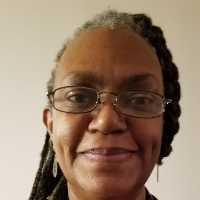
Maryland · 25 yrs exp
Licensed counselor - codependency and addictions
Stress, Anxiety · Addictions · Relationship · Grief · +12 more
Read profile
Michigan · 16 yrs exp
Licensed Professional Counselor - Relationships and Addictions
Stress, Anxiety · Addictions · Relationship · Parenting · +8 more
Read profile
Ohio · 17 yrs exp
LISW in Ohio - relationships and codependency
Stress, Anxiety · Family · Parenting · Depression · +12 more
Read profile
Illinois · 38 yrs exp
LCPC in Illinois - Codependency and Anxiety
Stress, Anxiety · Self esteem · Depression · Coping with life changes · +9 more
Read profile
Oklahoma · 33 yrs exp
Licensed Professional Counselor - Anxiety and Depression
Stress, Anxiety · Depression · Coping with life changes · Relationship · +4 more
Read profile
Florida · 20 yrs exp
LCSW - Codependency and Trauma-focused care
Stress, Anxiety · Addictions · Trauma and abuse · Grief · +14 more
Read profile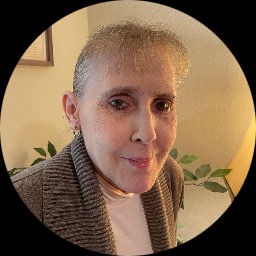
Michigan · 31 yrs exp
LMSW - relationships and stress
Stress, Anxiety · Family · Trauma and abuse · Self esteem · +16 more
Read profile
Missouri · 35 yrs exp
LCSW in Missouri - mood and relationship concerns
Stress, Anxiety · Trauma and abuse · Anger · Bipolar · +13 more
Read profile
New York · 15 yrs exp
Licensed Clinical Social Worker - Relationships and Addictions
Stress, Anxiety · Addictions · Relationship · Self esteem · +10 more
Read profile
Florida · 32 yrs exp
LMHC in Florida - Relationships and Mood
Stress, Anxiety · Relationship · Trauma and abuse · Bipolar · +8 more
Read profile
Texas · 10 yrs exp
LMFT focusing on relationships and codependency
Stress, Anxiety · LGBT · Relationship · Grief · +12 more
Read profileIf you often say yes when you want to say no, organize your days around someone else’s needs, or feel you lose yourself in relationships, the concern you brought here is familiar to many people. Self Esteem difficulties can appear as a persistent sense that your worth depends on pleasing others, avoiding conflict at your own expense, or downplaying your needs so others feel comfortable. You may notice worry about rejection, an urge to anticipate others’ emotions, or a habit of apologizing for asking for what you want. These patterns can be exhausting and make it hard to trust your own preferences and boundaries.
When you explore profiles on this page, you will encounter professionals who list Self Esteem alongside codependency or people-pleasing as focus areas. That listing signals an interest in working with those topics, but it is not a promise of any particular outcome or of a specific method. Use the profiles to get a sense of who describes working with issues like yours, and to prepare questions about how they understand and approach problems connected to self-worth and boundary setting.
There is frequently overlap between low Self Esteem, codependency and people-pleasing, but the relationship between them varies from person to person. For some, long-standing people-pleasing began as a strategy to maintain safety or acceptance in relationships. For others, it reflects patterns learned over time that feel automatic. You do not need a single cause to seek help; understanding how these patterns developed for you can be useful but it is not required before you begin exploring changes.
When you read profiles, look for language that resonates with your experience. Some professionals describe working with self-worth directly, while others may emphasize skills such as boundary setting, emotion regulation, or reclaiming personal values. Therapists who list trauma-informed approaches among their approaches may speak about how early relational experiences influence Self Esteem, while therapists who list cognitive or behavioral approaches among their approaches may offer ways to test unhelpful beliefs and practice different responses. Keep in mind that a listed focus area does not confirm specific training or certification; it indicates an interest or experience in addressing those topics.
As you review profiles, prepare concrete questions that will help you compare how different professionals might work with Self Esteem and related patterns. You might ask how they conceptualize people-pleasing in the context of relationships, what they view as early signs that Self Esteem may be impacting day-to-day decisions, and how they help clients practice boundary setting. Asking for examples of the types of conversations or exercises they use can give you a clearer sense of style and emphasis. You can also ask whether they work more with thought-focused strategies, relational exploration, body-focused practices, or a mix of options.
Because profiles may list various approaches, you can ask about those approaches specifically by naming them. For instance, you might ask about therapists who list cognitive behavioral work among their approaches and how that would look when addressing beliefs tied to self-worth. You can also ask about therapists who list emotion-focused or psychodynamic approaches among their approaches and whether they explore early relationship patterns that contribute to codependency. Phrase questions so you learn how the therapist thinks about your concern and how they partner with clients to identify small, achievable steps toward greater confidence and clearer boundaries.
If you plan to meet online, there are several practical topics to raise before beginning. Ask where the therapist is licensed or registered and whether that status covers the listed location where you will be connecting from. In the United States, licensing typically refers to a state professional license. In the United Kingdom and Australia, professionals may be registered or members of recognized professional bodies; asking how that registration relates to practice responsibilities helps you understand regulatory oversight. Remember that an academic degree such as PhD, PsyD, MD, MA or MSW is distinct from a license or registration and does not on its own confirm permission to practice.
Talk about the technology you will use, what to do if the connection drops, and how you will handle privacy in your setting. If you will be talking from home, try to identify a private space where you can speak without interruptions. It is also useful to ask how the practitioner manages emergencies or crises when working remotely - for example, what local resources or plans are in place if you are not in the same jurisdiction. If you are unsafe at home, contact local emergency services or a domestic-abuse helpline right away for immediate support. Before you begin, confirm who the therapist sees in terms of age groups and relationship types, since a listed topic does not establish that a professional treats children, couples, or families.
Profiles on this site let you compare several features that can matter when choosing someone to work with. Focus areas indicate what a professional lists as interests or specialties. If a profile lists Self Esteem along with codependency and people-pleasing, that may suggest familiarity with the relational patterns you described. Approach descriptions show the kinds of frameworks a professional uses; they are options to discuss rather than guarantees of training. You will also find language information on many profiles, which matters if you prefer to speak in a language other than English or want a clinician who understands cultural nuances that affect self-worth.
Credentials on profiles can include academic degrees and professional licenses or registrations. Distinguish degrees from licensing: a PhD, PsyD, MA or MSW indicates the clinician’s educational background, while a license or registration indicates the authority to practice in a given jurisdiction. In the United States you can ask which state license they hold. In the United Kingdom and Australia you can ask which professional body they are registered with or a member of. Profiles also often describe therapeutic style and the tone a practitioner brings to sessions. Some people prefer a direct, skills-focused style; others want a reflective, exploratory tone. Look for phrasing in profiles that aligns with how you like to be supported, and use the comparison to narrow your choices before reaching out.
Choosing someone to work with about Self Esteem and people-pleasing is a personal decision. Use the profiles and listed location information to identify professionals who speak to your situation, prepare focused questions about how they understand and address your concerns, and have an initial conversation that clarifies scope, approach and practicalities. If you are in immediate danger, call local emergency services or contact a local domestic-abuse helpline for urgent help. The profiles here are a starting point to help you find a professional who lists these focus areas and whose style and credentials feel like a reasonable match for the work you want to do.
Alabama
72 therapists
Alaska
9 therapists
Arizona
83 therapists
Arkansas
38 therapists
Australia
111 therapists
California
415 therapists
Colorado
131 therapists
Connecticut
39 therapists
Delaware
9 therapists
District of Columbia
7 therapists
Florida
603 therapists
Georgia
130 therapists
Hawaii
17 therapists
Idaho
39 therapists
Illinois
156 therapists
Indiana
94 therapists
Iowa
30 therapists
Kansas
37 therapists
Kentucky
82 therapists
Louisiana
90 therapists
Maine
17 therapists
Maryland
43 therapists
Massachusetts
58 therapists
Michigan
157 therapists
Minnesota
80 therapists
Mississippi
52 therapists
Missouri
156 therapists
Montana
31 therapists
Nebraska
28 therapists
Nevada
32 therapists
New Hampshire
12 therapists
New Jersey
113 therapists
New Mexico
24 therapists
New York
234 therapists
North Carolina
189 therapists
North Dakota
3 therapists
Ohio
131 therapists
Oklahoma
88 therapists
Oregon
37 therapists
Pennsylvania
188 therapists
Rhode Island
8 therapists
South Carolina
100 therapists
South Dakota
12 therapists
Tennessee
85 therapists
Texas
508 therapists
United Kingdom
1067 therapists
Utah
57 therapists
Vermont
9 therapists
Virginia
84 therapists
Washington
70 therapists
West Virginia
22 therapists
Wisconsin
86 therapists
Wyoming
17 therapists