
Mary Jennifer Meister
LCSWIllinois · 17 yrs exp
Illinois LCSW - Trauma and Relationships
Trauma and abuse · Coping with life changes · Stress, Anxiety · Relationship · +9 more
Read profileTherapist listings are provided by BetterHelp. We will earn a commission at no additional cost to you if you use our links to purchase.
Browse profiles of therapists who list abandonment among their focus areas alongside work with codependency and people-pleasing. Compare approaches, credentials, languages and listed location to help you find profiles that match your needs.
Use the grid below to open individual profiles and learn more about each professional’s focus areas and background before reaching out.
Illinois · 17 yrs exp
Illinois LCSW - Trauma and Relationships
Trauma and abuse · Coping with life changes · Stress, Anxiety · Relationship · +9 more
Read profile
Texas · 13 yrs exp
Licensed Clinical Social Worker - Relationships and Trauma
Stress, Anxiety · Relationship · Trauma and abuse · Anger · +11 more
Read profile
Colorado · 15 yrs exp
Licensed Professional Counselor - Relationships and Codependency
Stress, Anxiety · Relationship · Intimacy-related issues · Self esteem · +10 more
Read profile
Louisiana · 7 yrs exp
Licensed Professional Counselor - Relationships and Trauma
Stress, Anxiety · Family · Trauma and abuse · Parenting · +15 more
Read profile
Florida · 25 yrs exp
LMHC in Florida - Relationships and Trauma
Relationship · Trauma and abuse · Grief · Anger · +12 more
Read profile
Texas · 15 yrs exp
Licensed Professional Counselor - Relationships and Addictions
Addictions · Relationship · Trauma and abuse · Grief · +13 more
Read profile
Florida · 7 yrs exp
Licensed counselor - addictions and relationships
Addictions · Relationship · Family · Trauma and abuse · +13 more
Read profile
Texas · 12 yrs exp
LMFT - Relationships and Codependency
Stress, Anxiety · Addictions · Relationship · Grief · +11 more
Read profile
Pennsylvania · 12 yrs exp
LMHC and LPCC - Relationships and Codependency
Stress, Anxiety · Relationship · Self esteem · Depression · +11 more
Read profile
North Carolina · 10 yrs exp
LCSW counselor - relationships and codependency
Stress, Anxiety · Relationship · Family · Bipolar · +16 more
Read profile
Florida · 12 yrs exp
LMHC in Florida - Relationships and Mood
Stress, Anxiety · Relationship · Intimacy-related issues · Depression · +8 more
Read profile
Missouri · 7 yrs exp
Licensed Professional Counselor - Anxiety and Addictions
Stress, Anxiety · Addictions · Relationship · Self esteem · +13 more
Read profile
Louisiana · 10 yrs exp
LPC in Louisiana - Relationships and Anxiety
Stress, Anxiety · Relationship · Family · Depression · +12 more
Read profile
Texas · 10 yrs exp
Licensed Professional Counselor - Relationships and Codependency
Stress, Anxiety · Relationship · Family · Depression · +14 more
Read profile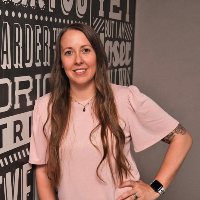
Wisconsin · 8 yrs exp
LPC in Wisconsin focused on relationships and codependency
Relationship · Intimacy-related issues · Coping with life changes · Stress, Anxiety · +8 more
Read profile
Texas · 11 yrs exp
Licensed Professional Counselor - Relationships and Anxiety
Stress, Anxiety · Relationship · Family · Parenting · +9 more
Read profile
Ohio · 33 yrs exp
LPCC in Ohio - Trauma and Codependency support
Stress, Anxiety · Family · Trauma and abuse · Self esteem · +12 more
Read profile
Illinois · 10 yrs exp
Licensed counselor - relationships and codependency
Stress, Anxiety · LGBT · Relationship · Trauma and abuse · +10 more
Read profile
North Carolina · 13 yrs exp
LCSW - Relationships and Confidence
Stress, Anxiety · Relationship · Family · Self esteem · +13 more
Read profile
Washington · 12 yrs exp
LMHC in Washington - Relationships and Codependency
Stress, Anxiety · Relationship · Family · Self esteem · +15 more
Read profile
Florida · 10 yrs exp
LCSW - Relationship and Addiction Concerns
Stress, Anxiety · Addictions · Family · Grief · +8 more
Read profile
Texas · 22 yrs exp
Dr. Ngozi Okose - LPC, relationship and anxiety work
Stress, Anxiety · Relationship · Trauma and abuse · Depression · +16 more
Read profile
Tennessee · 28 yrs exp
Tennessee psychologist - relationships and mood
Stress, Anxiety · Relationship · Grief · Depression · +10 more
Read profile
Tennessee · 35 yrs exp
Licensed Clinical Social Worker - Stress and Relationships
Stress, Anxiety · Grief · Self esteem · Depression · +8 more
Read profile
Georgia · 25 yrs exp
LISW LCSW - Relationships and Codependency
Stress, Anxiety · Parenting · Anger · Self esteem · +15 more
Read profile
Nebraska · 25 yrs exp
LMHP in Nebraska - Codependency and Relationships
Stress, Anxiety · Family · Trauma and abuse · Parenting · +12 more
Read profile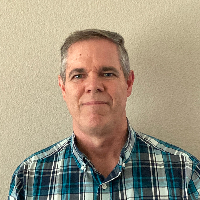
Texas · 33 yrs exp
LCSW - Relationships and Stress
Stress, Anxiety · Relationship · Family · Self esteem · +11 more
Read profile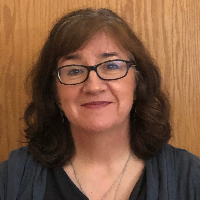
Wisconsin · 17 yrs exp
Licensed Professional Counselor - Relationships and Codependency
Stress, Anxiety · Relationship · Trauma and abuse · Self esteem · +11 more
Read profile
South Carolina · 20 yrs exp
Licensed Independent Social Worker - Relationships and Eating Issues
Stress, Anxiety · Relationship · Eating · Self esteem · +10 more
Read profile
Colorado · 9 yrs exp
Licensed Clinical Social Worker - Relationships and Codependency
Stress, Anxiety · Relationship · Grief · Depression · +11 more
Read profile
New York · 14 yrs exp
Licensed Clinical Social Worker - Anxiety and Relationships
Stress, Anxiety · Trauma and abuse · Grief · Depression · +6 more
Read profile
Louisiana · 10 yrs exp
LPC in Louisiana - relationships and mood work
Stress, Anxiety · Trauma and abuse · Anger · Self esteem · +12 more
Read profile
Ohio · 17 yrs exp
LISW in Ohio - relationships and codependency
Stress, Anxiety · Family · Parenting · Depression · +12 more
Read profile
Illinois · 38 yrs exp
LCPC in Illinois - Codependency and Anxiety
Stress, Anxiety · Self esteem · Depression · Coping with life changes · +9 more
Read profile
Florida · 20 yrs exp
LCSW - Codependency and Trauma-focused care
Stress, Anxiety · Addictions · Trauma and abuse · Grief · +14 more
Read profile
Michigan · 31 yrs exp
LMSW - relationships and stress
Stress, Anxiety · Family · Trauma and abuse · Self esteem · +16 more
Read profile
Missouri · 35 yrs exp
LCSW in Missouri - mood and relationship concerns
Stress, Anxiety · Trauma and abuse · Anger · Bipolar · +13 more
Read profile
New York · 15 yrs exp
Licensed Clinical Social Worker - Relationships and Addictions
Stress, Anxiety · Addictions · Relationship · Self esteem · +10 more
Read profile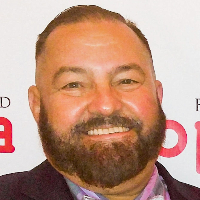
Florida · 32 yrs exp
LMHC in Florida - Relationships and Mood
Stress, Anxiety · Relationship · Trauma and abuse · Bipolar · +8 more
Read profile
Texas · 10 yrs exp
LMFT focusing on relationships and codependency
Stress, Anxiety · LGBT · Relationship · Grief · +12 more
Read profile
Georgia · 7 yrs exp
Licensed therapist - Relationships and Codependency
Stress, Anxiety · Relationship · Intimacy-related issues · Anger · +11 more
Read profile
Kansas · 17 yrs exp
Licensed Clinical Professional Counselor - Relationships and Coping
Stress, Anxiety · Relationship · Family · Anger · +10 more
Read profile
Mississippi · 36 yrs exp
LCSW - Family and Codependency concerns
Family · Parenting · Anger · Self esteem · +11 more
Read profile
Florida · 28 yrs exp
LCSW - Codependency and relationship patterns
Stress, Anxiety · Addictions · Trauma and abuse · Self esteem · +13 more
Read profile
Colorado · 15 yrs exp
LCSW - Anxiety and Codependency supports
Stress, Anxiety · Grief · Depression · Coping with life changes · +10 more
Read profile
Wyoming · 14 yrs exp
LCSW in Wyoming - mood and relationship concerns
Addictions · Relationship · Depression · Coping with life changes · +11 more
Read profile
Oklahoma · 20 yrs exp
Licensed Professional Counselor - Addiction and Trauma
Stress, Anxiety · Addictions · Trauma and abuse · Anger · +8 more
Read profile
New York · 25 yrs exp
LCSW - Anxiety and Codependency concerns
Stress, Anxiety · Grief · Anger · Self esteem · +6 more
Read profile
North Carolina · 30 yrs exp
Licensed counselor for anxiety and trauma
Stress, Anxiety · Addictions · LGBT · Trauma and abuse · +1 more
Read profile
Texas · 26 yrs exp
LPC in Texas - Relationship and Stress concerns
Stress, Anxiety · Relationship · Trauma and abuse · Grief · +11 more
Read profile
Florida · 20 yrs exp
LMHC in Florida - Stress and Relationships
Stress, Anxiety · Relationship · Grief · Self esteem · +1 more
Read profile
Georgia · 27 yrs exp
Licensed Professional Counselor - Anxiety and Relationships
Stress, Anxiety · Trauma and abuse · Bipolar · Depression · +16 more
Read profile
Oklahoma · 27 yrs exp
LPC helping with codependency and related concerns
Stress, Anxiety · Addictions · Parenting · Anger · +11 more
Read profile
Massachusetts · 20 yrs exp
LICSW in Massachusetts - Life changes and relationships
Stress, Anxiety · Self esteem · Career · Depression · +11 more
Read profile
Indiana · 12 yrs exp
LCSW counselor - codependency and mood concerns
Stress, Anxiety · Trauma and abuse · Self esteem · Bipolar · +10 more
Read profile
South Carolina · 8 yrs exp
Licensed Professional Counselor - trauma and relationships
Stress, Anxiety · Trauma and abuse · Self esteem · Depression · +16 more
Read profile
Ohio · 16 yrs exp
LPCC in Ohio - anxiety and relationships
Stress, Anxiety · Depression · Coping with life changes · Addictions · +11 more
Read profile
Florida · 18 yrs exp
LMHC - Relationships and Mood Concerns
Stress, Anxiety · Parenting · Anger · Self esteem · +13 more
Read profile
Illinois · 5 yrs exp
Illinois psychologist for codependency and relationships
Stress, Anxiety · Relationship · Trauma and abuse · Depression · +12 more
Read profile
Pennsylvania · 15 yrs exp
Licensed Professional Counselor - Relationships and Mood
Stress, Anxiety · Relationship · Self esteem · Depression · +14 more
Read profileIf you often prioritize someone else’s needs to the point that your own boundaries and sense of self erode, feelings triggered by abandonment can be intense and recurring. You might notice a pattern of anxiety about losing relationships, staying in unions that feel one-sided to avoid rejection, or changing plans and decisions to keep someone else calm. Those patterns are commonly tied to people-pleasing and codependency-style behaviors. They shape how you set limits, how you interpret a partner’s mood, and how you respond to reminders of past losses or perceived threats to a relationship.
When you are looking for a therapist on this page, you may want someone who understands both the emotional experience and the practical skills that help you protect your time, values and energy. That can include clarifying your priorities, learning to say no without overwhelming guilt, and developing a steadier sense of self that does not depend on constant reassurance. While therapy is not a guarantee of any particular outcome, working with a professional who lists abandonment and codependency among their focus areas can give you a space to explore patterns and practice new responses.
Abandonment, codependency and people-pleasing often overlap, but they are not identical. You may have experienced early losses, inconsistent caregiving or relationship dynamics that taught you to anticipate rejection or to stay hypervigilant to others’ needs. Over time those experiences can become habits - for example, prioritizing someone else’s wellbeing to reduce the risk of being left, or minimizing your feelings so conflict does not escalate. These habits can feel protective even when they make you more anxious or resentful.
On this directory, profiles that list abandonment often also list codependency or people-pleasing. That grouping reflects what practitioners say they focus on rather than a diagnostic label or a promise of a uniform approach. If you are exploring these overlaps, you can look for therapists who describe work with boundary-setting, relational patterns, attachment concerns, or self-worth. Remember that the presence of a focus area on a profile does not mean the therapist uses any single model - it simply signals topics they note as part of their practice.
When you open profiles, think in terms of concrete questions that help you compare fit. Ask whether the therapist has experience supporting adults who put others first and whether they work with the kinds of relationships that are most relevant to you - for example, long-term partnerships, family-of-origin dynamics, or friendships where caretaking is a pattern. Ask how they describe their approach and what that looks like in practice. For instance, you might ask if they use relational work to explore patterns, whether they integrate trauma-informed care, or whether they describe particular techniques as options to discuss. Phrase those inquiries in a way that invites clarification rather than seeking certifications or guarantees.
It is also important to ask about professional standing in the jurisdiction that matters to you. Degrees such as PhD, PsyD, MD, MA or MSW indicate academic preparation, but they do not alone establish permission to practice. In the United States many practitioners hold state licenses - for example social work, marriage and family, mental health counselor or psychologist licenses - while in the United Kingdom professionals may be registered with a regulator or hold membership in professional bodies, and in Australia registration with national bodies or membership in associations may apply. Profiles often list degrees and credentials; when you have a profile open, ask the practitioner to clarify their current licensure or registration status in your region and what that means for the care they provide.
If you are considering online or cross-jurisdiction work, raise practical points before beginning. Confirm whether the therapist states in their profile that they offer services to people in your listed location and ask about any limits on where they can practice. Talk about how you will handle emergencies and safety planning during remote sessions. If you are in immediate danger, contact local emergency services or a domestic-abuse helpline in your country; a therapist can help with planning but they are not an emergency response. Ask how the clinician approaches session boundaries - for example how they handle contact outside sessions and how they support you if strong emotions emerge between meetings.
Technology and privacy are also worth a brief conversation. Ask what platform they use and what steps they take to protect session details, and plan for what you will do if you lose connection mid-session. If you need a quiet, comfortable environment for sessions, discuss whether the clinician can suggest ways to create that at home or whether an in-person listed location might be an option. Make sure you feel clear about how to reach out if something urgent happens, who to contact for local emergency help, and how the clinician will coordinate care if you are seeing other professionals.
When you compare profiles on this page, pay attention to several practical signals. Focus areas tell you which topics a clinician highlights - for example abandonment, people-pleasing, boundary work or relationship patterns. Approaches listed on profiles describe options you can explore, so note whether a clinician lists psychodynamic work, cognitive and behavioral approaches, attachment-focused therapy, somatic-informed methods or other orientations, and ask about how those approaches are applied to abandonment-related concerns. A useful question might be how a therapist blends relational exploration with concrete skill-building for setting boundaries.
Also compare languages and listed location to ensure communication and regional relevance. If you prefer therapy in a language other than English, seek profiles that list those languages. Listed location can tell you where a practitioner is based, which matters for licensure and for availability of in-person sessions if that is something you want to discuss. Look at credentials and then ask any clarifying questions about the meaning of those credentials in the therapist’s jurisdiction. Finally, consider style: some clinicians emphasize active coaching and homework, while others emphasize reflective dialogue and longer-term exploration. Reading profile summaries and then asking a few targeted questions will help you identify the style that feels most likely to support the changes you want to make.
Choosing a therapist is a personal decision. Use profiles to gather information about focus areas, approaches, languages and credentials, and use initial conversations to confirm how a clinician would work with your specific concerns about abandonment and people-pleasing. If you are ever in immediate danger, prioritize contacting local emergency services or domestic-abuse helplines for assistance.
Alabama
72 therapists
Alaska
9 therapists
Arizona
83 therapists
Arkansas
38 therapists
Australia
111 therapists
California
415 therapists
Colorado
131 therapists
Connecticut
39 therapists
Delaware
9 therapists
District of Columbia
7 therapists
Florida
603 therapists
Georgia
130 therapists
Hawaii
17 therapists
Idaho
39 therapists
Illinois
156 therapists
Indiana
94 therapists
Iowa
30 therapists
Kansas
37 therapists
Kentucky
82 therapists
Louisiana
90 therapists
Maine
17 therapists
Maryland
43 therapists
Massachusetts
58 therapists
Michigan
157 therapists
Minnesota
80 therapists
Mississippi
52 therapists
Missouri
156 therapists
Montana
31 therapists
Nebraska
28 therapists
Nevada
32 therapists
New Hampshire
12 therapists
New Jersey
113 therapists
New Mexico
24 therapists
New York
234 therapists
North Carolina
189 therapists
North Dakota
3 therapists
Ohio
131 therapists
Oklahoma
88 therapists
Oregon
37 therapists
Pennsylvania
188 therapists
Rhode Island
8 therapists
South Carolina
100 therapists
South Dakota
12 therapists
Tennessee
85 therapists
Texas
508 therapists
United Kingdom
1067 therapists
Utah
57 therapists
Vermont
9 therapists
Virginia
84 therapists
Washington
70 therapists
West Virginia
22 therapists
Wisconsin
86 therapists
Wyoming
17 therapists