
Velma Jones
LCSWNew York · 29 yrs exp
LCSW focused on relationships and coping
Stress, Anxiety · Relationship · Trauma and abuse · Depression · +10 more
Read profileTherapist listings are provided by BetterHelp. We will earn a commission at no additional cost to you if you use our links to purchase.
This page groups therapist profiles that list Mood Disorders as a specialty and also note codependency or people-pleasing among their focuses. Use the profile details and filters to compare focus areas, approaches, credentials and languages, then browse the profiles below to learn more.
New York · 29 yrs exp
LCSW focused on relationships and coping
Stress, Anxiety · Relationship · Trauma and abuse · Depression · +10 more
Read profile
Illinois · 17 yrs exp
Illinois LCSW - Trauma and Relationships
Trauma and abuse · Coping with life changes · Stress, Anxiety · Relationship · +9 more
Read profile
Texas · 13 yrs exp
Licensed Clinical Social Worker - Relationships and Trauma
Stress, Anxiety · Relationship · Trauma and abuse · Anger · +11 more
Read profile
Florida · 10 yrs exp
Licensed counselor - Codependency and Addictions
Stress, Anxiety · Addictions · Anger · Depression · +12 more
Read profile
Colorado · 15 yrs exp
Licensed Professional Counselor - Relationships and Codependency
Stress, Anxiety · Relationship · Intimacy-related issues · Self esteem · +10 more
Read profile
Texas · 15 yrs exp
Licensed Professional Counselor - Relationships and Addictions
Addictions · Relationship · Trauma and abuse · Grief · +13 more
Read profile
Florida · 7 yrs exp
Licensed counselor - addictions and relationships
Addictions · Relationship · Family · Trauma and abuse · +13 more
Read profile
Missouri · 36 yrs exp
Licensed Clinical Social Worker - Relationships and Mood
Stress, Anxiety · Relationship · Trauma and abuse · Intimacy-related issues · +15 more
Read profile
New York · 5 yrs exp
LMHC in New York - mood and relationship concerns
Stress, Anxiety · LGBT · Trauma and abuse · Bipolar · +12 more
Read profile
Pennsylvania · 12 yrs exp
LMHC and LPCC - Relationships and Codependency
Stress, Anxiety · Relationship · Self esteem · Depression · +11 more
Read profile
North Carolina · 10 yrs exp
LCSW counselor - relationships and codependency
Stress, Anxiety · Relationship · Family · Bipolar · +16 more
Read profile
Florida · 12 yrs exp
LMHC in Florida - Relationships and Mood
Stress, Anxiety · Relationship · Intimacy-related issues · Depression · +8 more
Read profile
Missouri · 7 yrs exp
Licensed Professional Counselor - Anxiety and Addictions
Stress, Anxiety · Addictions · Relationship · Self esteem · +13 more
Read profile
Texas · 10 yrs exp
Licensed Professional Counselor - Relationships and Codependency
Stress, Anxiety · Relationship · Family · Depression · +14 more
Read profile
Texas · 11 yrs exp
Licensed Professional Counselor - Relationships and Anxiety
Stress, Anxiety · Relationship · Family · Parenting · +9 more
Read profile
Ohio · 33 yrs exp
LPCC in Ohio - Trauma and Codependency support
Stress, Anxiety · Family · Trauma and abuse · Self esteem · +12 more
Read profile
Illinois · 10 yrs exp
Licensed counselor - relationships and codependency
Stress, Anxiety · LGBT · Relationship · Trauma and abuse · +10 more
Read profile
Washington · 12 yrs exp
LMHC in Washington - Relationships and Codependency
Stress, Anxiety · Relationship · Family · Self esteem · +15 more
Read profile
South Carolina · 36 yrs exp
LISW-CP counselor - Codependency and mood concerns
Stress, Anxiety · Addictions · Family · Trauma and abuse · +3 more
Read profile
Missouri · 14 yrs exp
Licensed Professional Counselor - Relationships and Codependency
Stress, Anxiety · Self esteem · Career · Depression · +13 more
Read profile
Texas · 22 yrs exp
Dr. Ngozi Okose - LPC, relationship and anxiety work
Stress, Anxiety · Relationship · Trauma and abuse · Depression · +16 more
Read profile
Tennessee · 28 yrs exp
Tennessee psychologist - relationships and mood
Stress, Anxiety · Relationship · Grief · Depression · +10 more
Read profile
New Jersey · 8 yrs exp
LCSW - Anxiety and Relationship Concerns
Stress, Anxiety · Relationship · Trauma and abuse · Bipolar · +14 more
Read profile
Mississippi · 12 yrs exp
Licensed Clinical Social Worker - Stress and Addictions
Stress, Anxiety · Addictions · Anger · Self esteem · +12 more
Read profile
Utah · 6 yrs exp
Licensed counselor - codependency and anxiety
Stress, Anxiety · Trauma and abuse · Self esteem · Depression · +8 more
Read profile
Tennessee · 35 yrs exp
Licensed Clinical Social Worker - Stress and Relationships
Stress, Anxiety · Grief · Self esteem · Depression · +8 more
Read profile
Georgia · 25 yrs exp
LISW LCSW - Relationships and Codependency
Stress, Anxiety · Parenting · Anger · Self esteem · +15 more
Read profile
Texas · 18 yrs exp
Licensed Professional Counselor - Codependency and Relationships
Stress, Anxiety · Relationship · Family · Parenting · +9 more
Read profile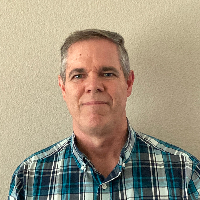
Texas · 33 yrs exp
LCSW - Relationships and Stress
Stress, Anxiety · Relationship · Family · Self esteem · +11 more
Read profile
Virginia · 13 yrs exp
Licensed counselor - anxiety and relationships
Stress, Anxiety · Anger · Self esteem · Depression · +9 more
Read profile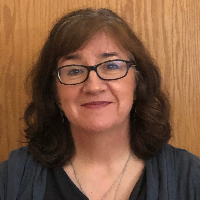
Wisconsin · 17 yrs exp
Licensed Professional Counselor - Relationships and Codependency
Stress, Anxiety · Relationship · Trauma and abuse · Self esteem · +11 more
Read profile
South Carolina · 20 yrs exp
Licensed Independent Social Worker - Relationships and Eating Issues
Stress, Anxiety · Relationship · Eating · Self esteem · +10 more
Read profile
New York · 14 yrs exp
Licensed Clinical Social Worker - Anxiety and Relationships
Stress, Anxiety · Trauma and abuse · Grief · Depression · +6 more
Read profile
Louisiana · 10 yrs exp
LPC in Louisiana - relationships and mood work
Stress, Anxiety · Trauma and abuse · Anger · Self esteem · +12 more
Read profile
Ohio · 17 yrs exp
LISW in Ohio - relationships and codependency
Stress, Anxiety · Family · Parenting · Depression · +12 more
Read profile
Illinois · 38 yrs exp
LCPC in Illinois - Codependency and Anxiety
Stress, Anxiety · Self esteem · Depression · Coping with life changes · +9 more
Read profile
Missouri · 35 yrs exp
LCSW in Missouri - mood and relationship concerns
Stress, Anxiety · Trauma and abuse · Anger · Bipolar · +13 more
Read profile
Florida · 32 yrs exp
LMHC in Florida - Relationships and Mood
Stress, Anxiety · Relationship · Trauma and abuse · Bipolar · +8 more
Read profile
Georgia · 7 yrs exp
Licensed therapist - Relationships and Codependency
Stress, Anxiety · Relationship · Intimacy-related issues · Anger · +11 more
Read profile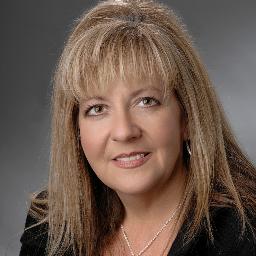
Kansas · 17 yrs exp
Licensed Clinical Professional Counselor - Relationships and Coping
Stress, Anxiety · Relationship · Family · Anger · +10 more
Read profile
Florida · 28 yrs exp
LCSW - Codependency and relationship patterns
Stress, Anxiety · Addictions · Trauma and abuse · Self esteem · +13 more
Read profile
Colorado · 15 yrs exp
LCSW - Anxiety and Codependency supports
Stress, Anxiety · Grief · Depression · Coping with life changes · +10 more
Read profile
Wyoming · 14 yrs exp
LCSW in Wyoming - mood and relationship concerns
Addictions · Relationship · Depression · Coping with life changes · +11 more
Read profile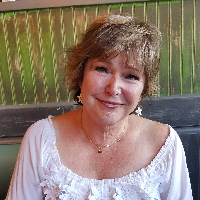
Oklahoma · 20 yrs exp
Licensed Professional Counselor - Addiction and Trauma
Stress, Anxiety · Addictions · Trauma and abuse · Anger · +8 more
Read profile
New York · 25 yrs exp
LCSW - Anxiety and Codependency concerns
Stress, Anxiety · Grief · Anger · Self esteem · +6 more
Read profile
Texas · 26 yrs exp
LPC in Texas - Relationship and Stress concerns
Stress, Anxiety · Relationship · Trauma and abuse · Grief · +11 more
Read profile
Texas · 16 yrs exp
LPC in Texas - Trauma and Addiction focus
Stress, Anxiety · Addictions · Self esteem · Depression · +9 more
Read profile
Minnesota · 7 yrs exp
LPCC counselor - Stress and relationships
Stress, Anxiety · LGBT · Trauma and abuse · Self esteem · +9 more
Read profile
Florida · 20 yrs exp
LMHC in Florida - Stress and Relationships
Stress, Anxiety · Relationship · Grief · Self esteem · +1 more
Read profile
Georgia · 27 yrs exp
Licensed Professional Counselor - Anxiety and Relationships
Stress, Anxiety · Trauma and abuse · Bipolar · Depression · +16 more
Read profile
Oklahoma · 27 yrs exp
LPC helping with codependency and related concerns
Stress, Anxiety · Addictions · Parenting · Anger · +11 more
Read profile
Indiana · 12 yrs exp
LCSW counselor - codependency and mood concerns
Stress, Anxiety · Trauma and abuse · Self esteem · Bipolar · +10 more
Read profile
North Carolina · 20 yrs exp
Licensed counselor - Anxiety and Addictions
Stress, Anxiety · Parenting · Self esteem · Depression · +15 more
Read profile
South Carolina · 8 yrs exp
Licensed Professional Counselor - trauma and relationships
Stress, Anxiety · Trauma and abuse · Self esteem · Depression · +16 more
Read profile
Ohio · 16 yrs exp
LPCC in Ohio - anxiety and relationships
Stress, Anxiety · Depression · Coping with life changes · Addictions · +11 more
Read profile
Florida · 18 yrs exp
LMHC - Relationships and Mood Concerns
Stress, Anxiety · Parenting · Anger · Self esteem · +13 more
Read profile
Florida · 25 yrs exp
LCSW working with mood and relationship concerns
Stress, Anxiety · Addictions · Grief · Bipolar · +5 more
Read profile
Illinois · 5 yrs exp
Illinois psychologist for codependency and relationships
Stress, Anxiety · Relationship · Trauma and abuse · Depression · +12 more
Read profile
Ohio · 13 yrs exp
Ohio LPCC - Anxiety and Addictions
Stress, Anxiety · Addictions · Family · Self esteem · +11 more
Read profile
Colorado · 20 yrs exp
LCSW - Trauma and Relationship Concerns
Stress, Anxiety · Trauma and abuse · Grief · Depression · +15 more
Read profileWhen you notice that caring for others has become a pattern that affects your mood, energy, or relationships, it can help to clarify what you want from a therapist. You may be looking for someone who understands how recurring low mood, irritability, or mood swings interact with people-pleasing, difficulty saying no, or a tendency to organize life around someone else. In your search, focus on whether a profile lists both Mood Disorders and codependency or people-pleasing concerns among their areas of focus. Profiles often describe the populations a clinician typically works with, the approaches they list, the languages they offer sessions in, and whether they indicate a listed location for in-person work or remote practice. Keep in mind that a listed topic does not guarantee a clinician treats children, couples, or families; you should discuss the scope of practice directly with any clinician you contact.
Your priorities may include finding a clinician who speaks your preferred language, who articulates a collaborative style, or who has experience with the particular intersection of mood and relationship patterns you are experiencing. Be prepared to describe concrete examples of what you want to change - for example, whether your low mood follows intense caregiving episodes, whether people-pleasing shows up at work or in intimate relationships, or whether mood volatility is affecting sleep and concentration. Clear examples make it easier to compare profiles and to ask focused questions when you contact a clinician.
There are many ways mood-related difficulties and patterns of putting others first can show up alongside one another, and the relationship between them varies from person to person. You might notice that persistent low mood makes it harder to set limits, so you comply with others to avoid conflict. Alternatively, constantly suppressing your own needs to manage someone else’s moods can erode your sense of self and lead to sadness or anxiety. It is important not to assume one causes the other in every case. The profiles on this page group clinicians who list Mood Disorders along with codependency or people-pleasing among their focus areas so you can find someone who names both concerns as part of their work.
When you read profiles, look for language that resonates with your experience. Some clinicians describe long-term support for mood-related diagnoses while others emphasize short-term work on coping strategies for difficult relationships. Some list approaches that focus on emotional regulation, interpersonal patterns, or meaning and identity. None of that information is a guarantee of method or outcome, but it can help you select profiles to explore further. If you are unsafe at home or in immediate danger, contact emergency services in your country - for example 911 in the United States, 999 in the United Kingdom, or 000 in Australia - and reach out to local domestic-abuse helplines for support and guidance.
When you contact a clinician whose profile interests you, having specific questions ready will help you determine whether their focus and style fit what you need. Ask how they typically work with adults who struggle with mood variability and chronic people-pleasing, and whether they have experience addressing the kinds of relationship patterns you described. Rather than assuming a profile's approaches constitute training, you can ask whether the clinician has experience using particular approaches and how they decide which approach to apply in a given case. You might ask about how they measure progress, what a typical session looks like for the concerns you raise, and whether they routinely collaborate with prescribing clinicians if medication is part of your care.
Clarify the clinician's scope of practice by asking whether they work with individuals only or also with couples and families, and whether they accept referrals for assessment when questions about diagnosis arise. Distinguish degrees from professional authorization by asking whether the clinician holds a professional license or registration in the country where they practice, and what that means for their work. In the United States you will commonly see state licenses such as LCSW, LPC, LMFT, or clinical psychology credentials; in the United Kingdom clinicians may note registration with regulatory bodies or membership in professional associations; in Australia clinicians may list registration with national boards or membership associations. A degree such as PhD, PsyD, MD, MA, or MSW indicates academic credentials but does not by itself establish current permission to practice, so ask about both degrees and the governing credential or registration that applies to their listed location.
If you are considering remote sessions, discuss how sessions are delivered and what to expect if a connection is lost. Ask which platforms the clinician uses, what steps they recommend if technology fails mid-session, and how sessions are scheduled and documented. Instead of relying on assumptions about data handling, ask how your information will be stored and whether there are limits to information-sharing boundaries in their practice, for example when safety concerns arise. If you prefer in-person work, check whether a profile indicates a listed location and whether that location is convenient for you; if a clinician mentions a private space for in-person visits, you can ask about access and safety at the office.
Talk about initial logistics such as session length, frequency, and how long they typically work with people on mood-related and relational concerns. Discuss what kind of collaboration you want with other clinicians, including psychiatrists or medical professionals, and whether the clinician can coordinate care if needed. If you have concerns about safety in your home or relationship, bring that up early so the clinician can explain crisis planning and local resources. If immediate danger is present, contact emergency services and reach out to local domestic-abuse helplines for urgent guidance and support.
Comparing profiles effectively means moving beyond general descriptions to concrete comparisons. Look at whether Mood Disorders appears alongside codependency or people-pleasing on the same profile, and note the specific language used to describe populations served. Compare the approaches listed on profiles - for example, some profiles mention cognitive-behavioral approaches, others note interpersonal or psychodynamic perspectives, and some indicate mindfulness-based or acceptance-oriented approaches. Phrase questions to clinicians as inquiries about experience rather than assumptions of certification - for example, ask whether they have experience working with people who present both mood symptoms and chronic boundary challenges, and how they typically structure that work.
Pay attention to language accessibility. If you need sessions in a language other than English, look for profiles that list those languages. Consider cultural background and whether a clinician emphasizes cultural sensitivity relevant to your identity. Compare credentials carefully by distinguishing academic degrees from licensing or registration status, and inquire about the jurisdiction tied to any listed license or registration. Finally, weigh the interpersonal style that comes through in a profile and in initial communications - whether a clinician describes their work as collaborative, directive, supportive, or skills-focused - and think about how that style matches what helps you engage and make changes in your relationships and mood.
Your search is a process of matching what you need with what clinicians describe in their profiles. Use the comparison questions suggested here when you reach out, and be prepared to describe the patterns you want to change. If you are unsure where to start, consider contacting a few profiles that seem aligned and asking short, specific questions about how they address mood and relationship patterns. Remember that a profile topic does not automatically indicate a clinician treats every population or delivers every approach listed, so confirm scope directly. If you feel unsafe at any time, call emergency services in your country and seek local domestic-abuse helplines for immediate help.
Finding a clinician whose language and approach resonate with you can make it easier to speak openly about people-pleasing, setting boundaries, and mood challenges. Use the filters and profile details on this page to compare focus areas, approaches, credentials, and languages, and reach out to clinicians whose profiles align with the changes you want to pursue.
Alabama
72 therapists
Alaska
9 therapists
Arizona
83 therapists
Arkansas
38 therapists
Australia
111 therapists
California
415 therapists
Colorado
131 therapists
Connecticut
39 therapists
Delaware
9 therapists
District of Columbia
7 therapists
Florida
603 therapists
Georgia
130 therapists
Hawaii
17 therapists
Idaho
39 therapists
Illinois
156 therapists
Indiana
94 therapists
Iowa
30 therapists
Kansas
37 therapists
Kentucky
82 therapists
Louisiana
90 therapists
Maine
17 therapists
Maryland
43 therapists
Massachusetts
58 therapists
Michigan
157 therapists
Minnesota
80 therapists
Mississippi
52 therapists
Missouri
156 therapists
Montana
31 therapists
Nebraska
28 therapists
Nevada
32 therapists
New Hampshire
12 therapists
New Jersey
113 therapists
New Mexico
24 therapists
New York
234 therapists
North Carolina
189 therapists
North Dakota
3 therapists
Ohio
131 therapists
Oklahoma
88 therapists
Oregon
37 therapists
Pennsylvania
188 therapists
Rhode Island
8 therapists
South Carolina
100 therapists
South Dakota
12 therapists
Tennessee
85 therapists
Texas
508 therapists
United Kingdom
1067 therapists
Utah
57 therapists
Vermont
9 therapists
Virginia
84 therapists
Washington
70 therapists
West Virginia
22 therapists
Wisconsin
86 therapists
Wyoming
17 therapists