
Pietro (Pete) Martucci
LPCCMinnesota · 7 yrs exp
LPCC counselor - Stress and relationships
Stress, Anxiety · LGBT · Trauma and abuse · Self esteem · +9 more
Read profileTherapist listings are provided by BetterHelp. We will earn a commission at no additional cost to you if you use our links to purchase.
This page groups profiles under the listed location Minnesota so you can compare therapists who list codependency and people-pleasing among their focus areas. Browse profiles to compare credentials, approaches, languages and therapeutic style, and check each profile to confirm permission to work where you live.
Minnesota · 7 yrs exp
LPCC counselor - Stress and relationships
Stress, Anxiety · LGBT · Trauma and abuse · Self esteem · +9 more
Read profile
Minnesota · 14 yrs exp
LMFT - Relationships and Emotional Concerns
Stress, Anxiety · Relationship · Grief · Parenting · +11 more
Read profile
Minnesota · 10 yrs exp
LICSW - Stress and Addictions
Stress, Anxiety · Addictions · Relationship · Self esteem · +11 more
Read profile
Minnesota · 10 yrs exp
Licensed counselor - Codependency and anxiety
Stress, Anxiety · Anger · Self esteem · Coping with life changes · +8 more
Read profile
Minnesota · 10 yrs exp
Licensed counselor - Codependency and anxiety
Stress, Anxiety · Relationship · Trauma and abuse · Depression · +15 more
Read profile
Minnesota · 10 yrs exp
LPCC in Minnesota - Relationships and Addictions
Stress, Anxiety · Addictions · Relationship · Self esteem · +6 more
Read profile
Minnesota · 5 yrs exp
LPCC in Minnesota - Stress and Addictions focus
Stress, Anxiety · Addictions · Self esteem · Career · +1 more
Read profile
Minnesota · 5 yrs exp
Licensed clinical social worker - anxiety and trauma
Stress, Anxiety · LGBT · Trauma and abuse · Eating · +1 more
Read profile
Minnesota · 5 yrs exp
LMHC and LPC-MH focused on codependency and mood
Stress, Anxiety · Addictions · Grief · Self esteem · +10 more
Read profile
Minnesota · 14 yrs exp
LPCC in Minnesota - Codependency and Trauma
Stress, Anxiety · Addictions · Family · Trauma and abuse · +1 more
Read profile
Minnesota · 4 yrs exp
Licensed Marriage and Family Therapist - Relationships and Trauma
Stress, Anxiety · LGBT · Relationship · Family · +1 more
Read profile
Minnesota · 10 yrs exp
LICSW - Mood disorders and codependency
Bipolar · ADHD
Read profile
Minnesota · 6 yrs exp
LICSW in Minnesota - Anxiety and Trauma
Stress, Anxiety · LGBT · Trauma and abuse · Bipolar · +1 more
Read profile
Minnesota · 10 yrs exp
LICSW in Minnesota - Relationships and Stress
Stress, Anxiety · Relationship · Family · Parenting · +11 more
Read profile
Minnesota · 29 yrs exp
Psychologist - Relationships and Mood Concerns
Stress, Anxiety · Relationship · Anger · Self esteem · +11 more
Read profile
Minnesota · 13 yrs exp
LPCC in Minnesota - Anxiety and Addictions
Stress, Anxiety · Addictions · Relationship · Depression · +14 more
Read profile
Minnesota · 8 yrs exp
LMFT - relationships and addiction focus
Stress, Anxiety · Addictions · Relationship · Anger · +11 more
Read profile
Minnesota · 10 yrs exp
LPCC in Minnesota - Trauma and Mood Concerns
Trauma and abuse · Grief · Bipolar · Coping with life changes · +7 more
Read profile
Minnesota · 20 yrs exp
Psychologist - Relationships and Coping
Stress, Anxiety · Family · Parenting · Self esteem · +7 more
Read profile
Minnesota · 8 yrs exp
LICSW - Relationships and Codependency
Stress, Anxiety · Family · Trauma and abuse · Grief · +8 more
Read profile
Minnesota · 21 yrs exp
LICSW - Codependency and Relationship Concerns
Stress, Anxiety · Trauma and abuse · Grief · Depression · +12 more
Read profile
Minnesota · 10 yrs exp
LPCC in Minnesota - Stress and Addictions
Stress, Anxiety · Addictions · Grief · Coping with life changes · +1 more
Read profile
Minnesota · 25 yrs exp
LICSW - Stress and Parenting support
Stress, Anxiety · Eating · Parenting · Depression · +10 more
Read profile
Minnesota · 10 yrs exp
LPCC counselor focusing on addiction and codependency
Stress, Anxiety · Addictions · Trauma and abuse · Self esteem · +14 more
Read profile
Minnesota · 6 yrs exp
LMFT in Minnesota - Relationships and Addictions
Stress, Anxiety · Addictions · Relationship · Self esteem · +9 more
Read profile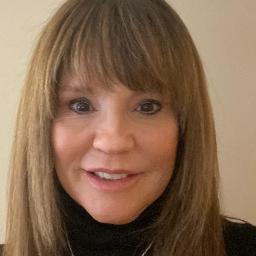
Minnesota · 6 yrs exp
LPCC in Minnesota - Codependency and trauma concerns
Stress, Anxiety · Addictions · LGBT · Trauma and abuse · +1 more
Read profile
Minnesota · 4 yrs exp
Licensed Professional Counselor - Relationships and Anxiety
Stress, Anxiety · Relationship · Grief · Intimacy-related issues · +6 more
Read profile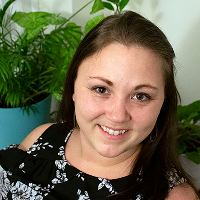
Minnesota · 3 yrs exp
LICSW - Stress and Relationships
Stress, Anxiety · Grief · Self esteem · Depression · +5 more
Read profile
Minnesota · 11 yrs exp
LPCC counselor - Anxiety and Addictions
Stress, Anxiety · Addictions · Trauma and abuse · Grief · +1 more
Read profile
Minnesota · 10 yrs exp
Licensed Professional Counselor - Trauma and Addictions
Trauma and abuse · Grief · Anger · Self esteem · +11 more
Read profile
Minnesota · 13 yrs exp
Licensed therapist - relationships and addiction
Stress, Anxiety · LGBT · Relationship · Family · +12 more
Read profile
Minnesota · 25 yrs exp
LPC counselor for addiction and codependency
Stress, Anxiety · Addictions · Grief · Anger · +9 more
Read profile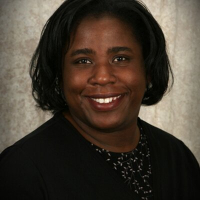
Minnesota · 15 yrs exp
LICSW social worker - anxiety and codependency support
Stress, Anxiety · Grief · Anger · Self esteem · +9 more
Read profile
Minnesota · 19 yrs exp
Psychologist - Anxiety and Relationships
Stress, Anxiety · LGBT · Grief · Self esteem · +11 more
Read profile
Minnesota · 6 yrs exp
LICSW - Anxiety and Addictions focus
Stress, Anxiety · Addictions · Trauma and abuse · Depression · +15 more
Read profile
Minnesota · 12 yrs exp
Licensed Professional Counselor - Codependency and Relationships
Stress, Anxiety · Relationship · Self esteem · Depression · +14 more
Read profile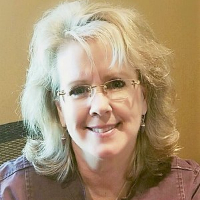
Minnesota · 25 yrs exp
Minnesota psychologist - relationships and codependency
Stress, Anxiety · Relationship · Trauma and abuse · Intimacy-related issues · +16 more
Read profile
Minnesota · 43 yrs exp
LICSW - Stress and Relationship Concerns
Stress, Anxiety · Family · Parenting · Depression · +4 more
Read profile
Minnesota · 11 yrs exp
LPCC counselor - relationships and coping
Stress, Anxiety · Relationship · Family · Self esteem · +7 more
Read profile
Minnesota · 7 yrs exp
Licensed clinical social worker - relationships and codependency
Stress, Anxiety · Relationship · Family · Intimacy-related issues · +12 more
Read profile
Minnesota · 6 yrs exp
Licensed Professional Counselor - Relationships and Addictions
Stress, Anxiety · Addictions · Relationship · Trauma and abuse · +10 more
Read profile
Minnesota · 3 yrs exp
LICSW in Minnesota - Relationships and Mood
Stress, Anxiety · Relationship · Self esteem · Depression · +7 more
Read profile
Minnesota · 40 yrs exp
LICSW in Minnesota - trauma and addiction focus
Stress, Anxiety · Addictions · Trauma and abuse · Grief · +10 more
Read profile
Minnesota · 11 yrs exp
LMFT working with relationships and trauma
Family · Trauma and abuse · Grief · Intimacy-related issues · +14 more
Read profile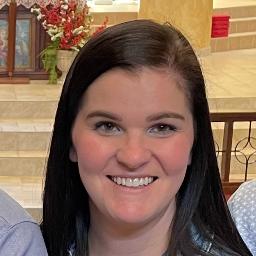
Minnesota · 6 yrs exp
LPCC in Minnesota - Stress and Relationship Concerns
Stress, Anxiety · Grief · Depression · Addictions · +6 more
Read profile
Minnesota · 15 yrs exp
LICSW focused on codependency and mood concerns
Stress, Anxiety · Addictions · Career · Depression · +12 more
Read profile
Minnesota · 13 yrs exp
LICSW - Stress and Addiction support
Stress, Anxiety · Addictions · Family · Trauma and abuse · +13 more
Read profile
Minnesota · 20 yrs exp
LICSW - Relationships and Addiction support
Stress, Anxiety · Addictions · Trauma and abuse · Depression · +10 more
Read profile
Minnesota · 9 yrs exp
Licensed counselor - Codependency and addiction focus
Stress, Anxiety · Addictions · Self esteem · Depression · +9 more
Read profile
Minnesota · 15 yrs exp
LICSW in Minnesota - stress and trauma
Stress, Anxiety · Family · Trauma and abuse · Self esteem · +1 more
Read profile
Minnesota · 25 yrs exp
LICSW - Addictions and Relationships
Addictions · Relationship · Grief · Depression · +8 more
Read profile
Minnesota · 9 yrs exp
LICSW - Family and Trauma focus
Family · Trauma and abuse · Parenting · Anger · +6 more
Read profile
Minnesota · 37 yrs exp
Licensed therapist - relationships and mood issues
Stress, Anxiety · Family · Grief · Self esteem · +13 more
Read profile
Minnesota · 14 yrs exp
Licensed LPCC in Minnesota - Relationships and Addictions
Stress, Anxiety · Addictions · Relationship · Depression · +13 more
Read profile
Minnesota · 30 yrs exp
LPCC in Minnesota - Relationships and Stress
Stress, Anxiety · Relationship · Self esteem · Career · +10 more
Read profile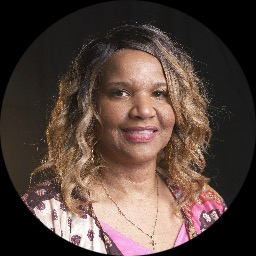
Minnesota · 12 yrs exp
Licensed counselor - Stress and codependency issues
Stress, Anxiety · Trauma and abuse · Self esteem · Career · +12 more
Read profile
Minnesota · 16 yrs exp
LICSW in Minnesota - Relationships and Codependency
Stress, Anxiety · Relationship · Family · Trauma and abuse · +13 more
Read profile
Minnesota · 8 yrs exp
LICSW - Mood and Stress concerns
Stress, Anxiety · Grief · Career · Bipolar · +10 more
Read profile
Minnesota · 6 yrs exp
LPCC - Addictions and Mood Concerns
Addictions · Bipolar · Depression · Stress, Anxiety · +13 more
Read profile
Minnesota · 33 yrs exp
Minnesota psychologist - relationships and parenting
Relationship · Family · Parenting · Self esteem · +8 more
Read profileIf you tend to put other people first, have difficulty saying no, or organise your life around someone else’s moods or drinking, you may be looking for therapists who understand codependency and people-pleasing patterns. You do not need a diagnosis to seek help; many people reach out because they feel worn down, resentful, anxious or unsure of their own needs. In Minnesota or elsewhere, profiles will often note that a clinician lists codependency or people-pleasing among their focus areas. That listing tells you the clinician has chosen to highlight that topic in their profile, but it does not by itself describe the clinician’s entire scope of practice or guarantee a particular therapeutic approach.
When you read profiles, look for language that resonates with your situation - whether that is setting firmer boundaries, reclaiming personal interests, understanding patterns that repeat across relationships, or coping with the impact of a partner’s substance use. You can prioritise the aspects of change that matter most to you. If you are in immediate danger, are at risk of harm, or are experiencing domestic abuse, contact local emergency services or a domestic-abuse helpline for urgent support before searching profiles.
Profiles grouped under the listed location Minnesota help you narrow an initial search, but a listed location does not prove an office presence or ongoing permission to practice in that place. Some clinicians include a Minnesota address while offering services across state lines, and others list locations where they live, work or travel. It is important to check each profile and confirm with the clinician whether they are permitted to work with you in your state or country before scheduling any sessions.
Professional credentials on profiles may include academic degrees and separate practice credentials. Degrees such as PhD, PsyD, MD, MA and MSW describe academic qualifications and should not be equated with a current legal permission to provide mental health services. In the United States, look for evidence of state licensing when verifying whether a clinician can legally offer psychotherapy in your state. In the United Kingdom and Australia, clinicians may list registration or membership with professional bodies rather than U.S. style licensing. Profiles vary in how they present these details, so you should ask clinicians to clarify both their academic degrees and the specific license, registration or membership that authorises their work with you.
You can use profiles to prepare concrete questions to bring to an initial conversation with a clinician. Ask how they describe their experience with codependency and people-pleasing patterns and whether they have worked with issues similar to yours. You can inquire which approaches they list on their profile and what that looks like in practice - for example, ask what a typical session focuses on when addressing boundary-setting, self-worth or caregiving roles. Because a profile listing only indicates that an approach is among those the clinician uses, it is reasonable to ask how they tailor those approaches to individual goals.
Also discuss scope: a listed topic does not automatically mean a clinician treats children, couples or families. If you have complex needs, such as co-occurring substance use in a partner or legal concerns, ask whether the clinician works with those issues directly or coordinates care with other professionals. Practical questions about session length, communication preferences, and how they measure progress can help you imagine what working together would feel like. Keep in mind that a clinician’s academic degree and the names of therapeutic approaches on a profile are starting points for a conversation, not guarantees of a particular outcome.
If you are considering online care from a clinician listed in Minnesota, it is important to confirm jurisdictional permission to practice with your clinician before beginning. Ask whether they are authorised to provide services to residents of your state or country and how they handle emergency contacts if a crisis occurs during a session. Clarify what communication channels they use outside sessions and how they handle notes and documentation so you know how information will be managed.
You should also talk about boundaries and safety planning in an online format. Discuss what to do if you lose connection mid-session, where you will be located when you attend a session, and how the clinician will respond if you indicate you are at risk of harm. If you live with someone who makes it difficult to speak freely, consider how to create a time and space where you can talk openly. Confirm who the clinician can contact in an emergency and whether they maintain relationships with local services if face-to-face referrals become necessary. These practical conversations help set expectations so you can decide whether a clinician’s ways of working suit your needs.
When you compare profiles, pay attention to the combination of focus areas, languages offered, listed credentials and descriptions of therapeutic style. Focus areas show what a clinician highlights on their profile - for instance, codependency, people-pleasing or relationship patterns. Languages listed on a profile indicate the languages a clinician communicates in, which can be as important as professional credentials when you rely on nuance and cultural context. Credentials may include both academic degrees and professional practice documentation; make note of both and ask clinicians to explain the relevance of each to their current practice.
Therapeutic style is often described in profile text rather than formal labels. Some clinicians describe themselves as practical and skills-oriented, while others emphasise reflective exploration or relational focus. You might ask a clinician to describe a recent anonymised example of how they worked with someone who struggled to set boundaries or who prioritised others over themselves. That conversation can reveal whether their pace, tone and strategies feel compatible with your preferences. Remember that a profile helps you narrow choices, but direct conversation with a clinician is the best way to determine whether you feel heard and understood. Always check the individual profile for details and confirm that the clinician has permission to work where you live before making decisions about care.
Addictions
3514 therapists
Anger
3758 therapists
Control Issues
3696 therapists
Depression
5281 therapists
Domestic Violence
2636 therapists
Grief
4264 therapists
Guilt and Shame
4937 therapists
Isolation / Loneliness
4503 therapists
Mood Disorders
3681 therapists
Narcissism
1760 therapists
Panic Disorder and Panic Attacks
3429 therapists
Personality Disorders
1983 therapists
Post-Traumatic Stress
4113 therapists
Self Esteem
5187 therapists
Social Anxiety and Phobia
4253 therapists
Stress & Anxiety
5739 therapists
Trauma and Abuse
4787 therapists
Abandonment
3745 therapists
Attachment Issues
3924 therapists
Caregiver Issues and Stress
3369 therapists
Commitment Issues
3221 therapists
Communication Problems
4974 therapists
Compassion Fatigue
3039 therapists
Coping with Life Changes
4819 therapists
Divorce
3758 therapists
Family
4253 therapists
Family of Origin Issues
2932 therapists
Forgiveness
4352 therapists
Infidelity
2779 therapists
Jealousy
2818 therapists
Life Purpose
4715 therapists
Parenting
3372 therapists
Relationship
4972 therapists
Self-Love
4745 therapists
Workplace Issues
3772 therapists