
Susan MacDonald
LMHCRhode Island · 14 yrs exp
Licensed Mental Health Counselor - Relationships and Mood
Stress, Anxiety · Relationship · Self esteem · Depression · +1 more
Read profileTherapist listings are provided by BetterHelp. We will earn a commission at no additional cost to you if you use our links to purchase.
Browse profiles of therapists listed for Rhode Island who include codependency and people-pleasing among their focus areas. Compare approach descriptions, credentials, languages and experience to find practitioners who match your needs.
Use the listings below to review profiles and then contact a therapist directly to confirm they can work with you where you live.
Rhode Island · 14 yrs exp
Licensed Mental Health Counselor - Relationships and Mood
Stress, Anxiety · Relationship · Self esteem · Depression · +1 more
Read profile
Rhode Island · 5 yrs exp
Licensed counselor - Stress and addictions
Stress, Anxiety · Addictions · Self esteem · Depression · +1 more
Read profile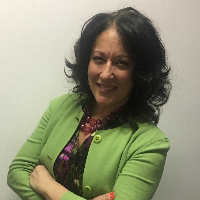
Rhode Island · 15 yrs exp
LICSW - Stress and Relationship Concerns
Stress, Anxiety · Addictions · Grief · Self esteem · +14 more
Read profile
Rhode Island · 6 yrs exp
Licensed Mental Health Counselor - Relationships and Addictions
Stress, Anxiety · Relationship · Self esteem · Depression · +10 more
Read profile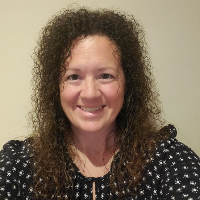
Rhode Island · 22 yrs exp
Licensed Mental Health Counselor - Relationships and Addictions
Stress, Anxiety · Addictions · Relationship · Parenting · +13 more
Read profile
Rhode Island · 8 yrs exp
LICSW - Stress and Life Changes
Stress, Anxiety · LGBT · Grief · Coping with life changes · +10 more
Read profile
Rhode Island · 6 yrs exp
LCSW working with codependency and anxiety
Stress, Anxiety · LGBT · Grief · Career · +5 more
Read profile
Rhode Island · 30 yrs exp
Licensed Mental Health Counselor - relationships and codependency
Stress, Anxiety · LGBT · Relationship · Family · +2 more
Read profileIf you often put other people first, find it difficult to say no, or organise your life around someone else s moods or crises, you may be noticing patterns that feel stuck. Codependency is a pattern of relating rather than a diagnosis. You might be seeking clearer boundaries, stronger self-worth, or ways to stop losing your own priorities in relationships. Therapy can be a place to explore these patterns, test new ways of communicating, and practice saying no in a gradual way.
When you read profiles, look for language that matches the issues you experience rather than assuming a particular label. Some therapists describe practical work on boundaries, others emphasize emotion-focused exploration of how childhood or relationship dynamics shaped your responses. None of these descriptions promises change, but they help you decide who to reach out to and what to talk about in an initial conversation.
If you are currently unsafe at home or in immediate danger, contact emergency services right away - call 911 in the United States, 999 in the United Kingdom, or 000 in Australia. If you are experiencing domestic abuse, consider calling a local helpline for advice and support. Your immediate safety is the priority and can be discussed with emergency and domestic-abuse services who can help with next steps.
Profiles grouped under a listed location like Rhode Island indicate that a therapist has chosen to appear in that area on this directory. That listing is not evidence of an office, exact proximity, or current permission to practice in every jurisdiction. Always check the individual profile and directly confirm with the therapist that they are permitted to work with people where you live before making plans together.
Degrees such as PhD, PsyD, MD, MA or MSW are academic qualifications and tell you about a therapist s training background. A degree alone does not establish current permission to practise. In the United States, licensure is the mechanism that indicates permission to provide professional psychotherapy within a state. In the United Kingdom and Australia, registration or professional membership with national bodies provides a related assurance, but the terminology and rules differ from U.S. licensure. Profiles may list both degrees and licensure or registration terms; read those descriptions carefully and ask about the current status and geographic scope of practice as part of your initial contact.
Also note that a therapist listing codependency among focus areas does not prove specialist certification or a particular outcome. Profiles describe what a therapist lists as their interests and approaches, not a guarantee of expertise in every situation. Use the details in profiles as starting points for direct conversations about fit and scope of work.
When you contact a therapist, having concrete questions helps you assess whether their style and experience match what you want to address. You can start by asking how they typically work with adults who prioritise others to the point that their own needs are sidelined. Ask whether they focus on practical skills like boundary-setting, on exploring relational patterns, or on both, and invite them to describe what a few early sessions might focus on.
It is also useful to ask about the techniques or frameworks they mention in their profile in neutral terms - for example, therapists who list EMDR among their approaches, or who refer to cognitive-behavioural or relational methods. Ask how they adapt those approaches for codependency or people-pleasing patterns and for the particular stresses you face. Remember that listing an approach on a profile is not evidence of formal certification. Instead, ask for examples of how they apply an approach and what someone might expect when working with them.
Other practical questions include whether they usually work with individual adults or specialise in couples or family work, how they approach crisis planning if you feel overwhelmed between sessions, and whether they have experience supporting people with similar cultural, gender, or language needs. Concrete questions like these give you a clearer sense of whether a therapist s style and scope fit your situation.
If you plan to meet with someone remotely, it is helpful to cover a few specific topics before you begin. Ask where the therapist is authorised to work and whether they can legally provide care to people in your state or country. Clarify how technology will be used, what platform or tools they employ, and how they describe privacy and data handling for sessions and records. Request an explanation of their emergency plan - who you should contact if you are in crisis and how such situations are handled when work is remote.
Talk about scheduling norms and what to expect if you need to change a session, and confirm whether the therapist typically works with your particular concerns - some professionals list codependency among their focus areas but actually concentrate on related issues such as addiction, relationship recovery, or mood disorders. You should also ask about the boundaries of the work - whether they see adults only, whether they work with couples or families, and what they ask clients to do between sessions. These conversations help set clear expectations so you know how the working relationship will operate.
Finally, if language is important to you, confirm which languages the therapist uses in sessions. Language match can affect how easily you express emotions and explain history, so include it in your initial questions if it matters for your comfort and clarity.
As you move through profiles in the Rhode Island grouping, build a picture of fit by weaving together several elements. Look at the focus areas listed and read descriptions for concrete examples of how the therapist frames codependency or people-pleasing work. Profiles that describe specific goals or tasks - for example, working on boundary-setting, reducing caretaking overload, or unpacking family patterns - can help you imagine what an early session might look like.
Compare credentials but keep the distinction between degrees and permissions clear. If a profile lists a degree such as an MSW or PhD, that indicates academic preparation. If it mentions licensure, registration, or membership in a professional body, ask what that means in terms of permission to practise in your location. If you see international professionals listed, understand that registration systems differ by country; ask each practitioner how their registration or membership relates to their ability to work with you in Rhode Island.
Language and cultural competence are important comparison points. If a profile highlights work in a particular language or with specific communities, consider how that aligns with your identity and comfort. Equally important is the therapist s stated style - some profiles emphasise directive, skills-based work while others emphasise reflective, relational exploration. Neither style is inherently better; you are looking for one that feels tolerable and likely to help you practice new ways of relating.
When you have a short list, prepare the same set of questions to ask each therapist so you can compare answers directly. Ask about the kinds of goals they commonly set with people dealing with people-pleasing patterns, how they measure progress in ways that matter to you, and what practical steps they suggest between sessions. Those concrete comparisons will make it easier to choose who to speak with first and to set realistic expectations for the work ahead.
Remember that a profile is an invitation to a conversation, not a prescription. Profiles in this directory are a way to compare focus areas, approaches, credentials, languages and stated experience, but they do not guarantee fit or outcome. Check individual profiles, confirm that the therapist is authorised to work in your location, and ask direct questions about approach and scope before starting. If you are in danger or need immediate help, contact emergency services or a domestic-abuse helpline in your area right away. Taking these steps will help you move from search to a conversation where you can begin to address patterns of people-pleasing and build clearer boundaries and self-worth in ways that work for you.
Addictions
3514 therapists
Anger
3758 therapists
Control Issues
3696 therapists
Depression
5281 therapists
Domestic Violence
2636 therapists
Grief
4264 therapists
Guilt and Shame
4937 therapists
Isolation / Loneliness
4503 therapists
Mood Disorders
3681 therapists
Narcissism
1760 therapists
Panic Disorder and Panic Attacks
3429 therapists
Personality Disorders
1983 therapists
Post-Traumatic Stress
4113 therapists
Self Esteem
5187 therapists
Social Anxiety and Phobia
4253 therapists
Stress & Anxiety
5739 therapists
Trauma and Abuse
4787 therapists
Abandonment
3745 therapists
Attachment Issues
3924 therapists
Caregiver Issues and Stress
3369 therapists
Commitment Issues
3221 therapists
Communication Problems
4974 therapists
Compassion Fatigue
3039 therapists
Coping with Life Changes
4819 therapists
Divorce
3758 therapists
Family
4253 therapists
Family of Origin Issues
2932 therapists
Forgiveness
4352 therapists
Infidelity
2779 therapists
Jealousy
2818 therapists
Life Purpose
4715 therapists
Parenting
3372 therapists
Relationship
4972 therapists
Self-Love
4745 therapists
Workplace Issues
3772 therapists