
Kathleen Connolly
LICSWMassachusetts · 20 yrs exp
LICSW in Massachusetts - Life changes and relationships
Stress, Anxiety · Self esteem · Career · Depression · +11 more
Read profileTherapist listings are provided by BetterHelp. We will earn a commission at no additional cost to you if you use our links to purchase.
This page groups profiles under the listed location Massachusetts and highlights therapists who list codependency and people-pleasing among their focus areas. Compare approaches, credentials, languages and therapeutic style, and check each profile to confirm a therapist's permission to work with you where you live.
Massachusetts · 20 yrs exp
LICSW in Massachusetts - Life changes and relationships
Stress, Anxiety · Self esteem · Career · Depression · +11 more
Read profile
Massachusetts · 27 yrs exp
MA LMHC - Relationships and Codependency
Stress, Anxiety · Relationship · Trauma and abuse · Grief · +12 more
Read profile
Massachusetts · 23 yrs exp
LCSW - relationships and codependency
Stress, Anxiety · Relationship · Family · Grief · +7 more
Read profile
Massachusetts · 15 yrs exp
LMHC in Massachusetts - Stress and Anxiety
Stress, Anxiety · Trauma and abuse · Parenting · Self esteem · +1 more
Read profile
Massachusetts · 23 yrs exp
LMHC - Relationships and Addictions
Addictions · LGBT · Relationship · Intimacy-related issues · +12 more
Read profile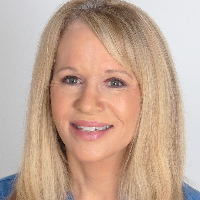
Massachusetts · 25 yrs exp
MA Psychologist - Addiction and Relationships
Stress, Anxiety · Addictions · Relationship · Self esteem · +9 more
Read profile
Massachusetts · 40 yrs exp
LICSW - Stress and Relationships
Stress, Anxiety · Family · Grief · Parenting · +16 more
Read profile
Massachusetts · 13 yrs exp
Licensed Mental Health Counselor - Relationships and Addictions
Stress, Anxiety · Relationship · Self esteem · Depression · +11 more
Read profile
Massachusetts · 40 yrs exp
LICSW - Relationships and Stress
Stress, Anxiety · Relationship · Family · Trauma and abuse · +12 more
Read profile
Massachusetts · 27 yrs exp
LMHC - codependency and addiction focus
Stress, Anxiety · Addictions · Relationship · Depression · +11 more
Read profile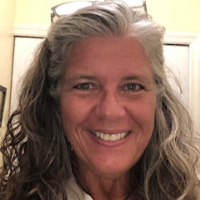
Massachusetts · 36 yrs exp
LICSW - Relationships and Anxiety
Stress, Anxiety · Relationship · Sleeping · Parenting · +11 more
Read profile
Massachusetts · 25 yrs exp
LICSW therapist - Relationships and codependency issues
Stress, Anxiety · Career · Depression · Coping with life changes · +9 more
Read profile
Massachusetts · 11 yrs exp
LICSW - Relationships and Mood Concerns
Relationship · Intimacy-related issues · Self esteem · Depression · +9 more
Read profile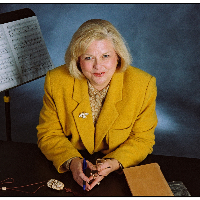
Massachusetts · 15 yrs exp
Licensed Mental Health Counselor - Stress and Relationships
Stress, Anxiety · Grief · Depression · Coping with life changes · +12 more
Read profile
Massachusetts · 18 yrs exp
LICSW - Relationships and Codependency
Stress, Anxiety · Relationship · Family · Trauma and abuse · +12 more
Read profile
Massachusetts · 34 yrs exp
LICSW - Addictions and Relationships
Addictions · Relationship · Grief · Intimacy-related issues · +12 more
Read profile
Massachusetts · 8 yrs exp
LICSW counselor - Stress and codependency support
Stress, Anxiety · Self esteem · Depression · Coping with life changes · +4 more
Read profile
Massachusetts · 7 yrs exp
MA LMHC - Stress and Relationships
Stress, Anxiety · Addictions · Relationship · Self esteem · +16 more
Read profile
Massachusetts · 33 yrs exp
LICSW in Massachusetts - Relationships and Addictions
Stress, Anxiety · Addictions · Relationship · Family · +11 more
Read profile
Massachusetts · 20 yrs exp
LICSW - Stress and Relationship Concerns
Stress, Anxiety · Family · Grief · Self esteem · +10 more
Read profile
Massachusetts · 9 yrs exp
LMHC - Relationships and Codependency
Stress, Anxiety · LGBT · Relationship · Intimacy-related issues · +12 more
Read profile
Massachusetts · 4 yrs exp
LICSW - Stress and Addictions
Stress, Anxiety · Addictions · Trauma and abuse · Depression · +7 more
Read profile
Massachusetts · 39 yrs exp
LMHC in Massachusetts - stress and relationships
Stress, Anxiety · Trauma and abuse · Parenting · Self esteem · +16 more
Read profile
Massachusetts · 40 yrs exp
LICSW in Massachusetts - Stress and Relationships
Stress, Anxiety · Grief · Self esteem · Depression · +10 more
Read profile
Massachusetts · 8 yrs exp
LMHC - Anxiety and Trauma
Stress, Anxiety · Trauma and abuse · Self esteem · Bipolar · +5 more
Read profile
Massachusetts · 13 yrs exp
LICSW in Massachusetts - Addictions and Relationships
Addictions · Intimacy-related issues · Self esteem · Depression · +12 more
Read profile
Massachusetts · 3 yrs exp
MA LMFT - Relationships and Addictions
Stress, Anxiety · Addictions · Relationship · Depression · +7 more
Read profile
Massachusetts · 42 yrs exp
Licensed Mental Health Counselor - Codependency and Trauma
Stress, Anxiety · Trauma and abuse · Self esteem · Career · +10 more
Read profile
Massachusetts · 14 yrs exp
LICSW - Stress and Addictions
Stress, Anxiety · Addictions · Family · Grief · +10 more
Read profile
Massachusetts · 20 yrs exp
LMHC and LMFT - relationships and anxiety
Stress, Anxiety · Relationship · Family · Trauma and abuse · +14 more
Read profile
Massachusetts · 30 yrs exp
LICSW - Stress and Relationships
Stress, Anxiety · Relationship · Family · Grief · +14 more
Read profile
Massachusetts · 11 yrs exp
LICSW - Relationship and Addiction support
Stress, Anxiety · Addictions · Relationship · Family · +15 more
Read profile
Massachusetts · 17 yrs exp
Licensed social worker - relationships and mood
Stress, Anxiety · Relationship · Grief · Self esteem · +12 more
Read profile
Massachusetts · 30 yrs exp
LICSW - Relationships and Addictions
Stress, Anxiety · Addictions · Relationship · Family · +14 more
Read profile
Massachusetts · 16 yrs exp
LMHC in Massachusetts - stress and relationships
Stress, Anxiety · Anger · Depression · Coping with life changes · +15 more
Read profile
Massachusetts · 21 yrs exp
LMHC in Massachusetts - Stress and relationships
Stress, Anxiety · Relationship · Self esteem · Depression · +7 more
Read profile
Massachusetts · 12 yrs exp
LMHC in Massachusetts - Stress and Relationships
Stress, Anxiety · Addictions · Relationship · Family · +10 more
Read profile
Massachusetts · 20 yrs exp
Licensed LICSW - Mood and Relationship Concerns
Stress, Anxiety · Family · Bipolar · Depression · +15 more
Read profile
Massachusetts · 30 yrs exp
LMHC in Massachusetts - trauma and relationships
Stress, Anxiety · Addictions · Relationship · Trauma and abuse · +15 more
Read profile
Massachusetts · 26 yrs exp
LICSW - Relationships and Trauma
Relationship · Trauma and abuse · Anger · Self esteem · +10 more
Read profile
Massachusetts · 15 yrs exp
LMHC in Massachusetts - Relationships and Mood
Stress, Anxiety · Relationship · Trauma and abuse · Grief · +12 more
Read profile
Massachusetts · 9 yrs exp
LICSW - Stress and Relationship Concerns
Stress, Anxiety · Addictions · Relationship · Trauma and abuse · +1 more
Read profile
Massachusetts · 16 yrs exp
LMHC and LPC - Stress and Addictions
Stress, Anxiety · Addictions · Grief · Depression · +10 more
Read profile
Massachusetts · 4 yrs exp
LICSW - Attachment and trauma focused
Stress, Anxiety · Addictions · Relationship · Trauma and abuse · +1 more
Read profile
Massachusetts · 15 yrs exp
LMHC - Anxiety and Relationships
Stress, Anxiety · Relationship · Grief · Self esteem · +1 more
Read profile
Massachusetts · 3 yrs exp
LICSW - stress and relationship concerns
Stress, Anxiety · LGBT · Relationship · Trauma and abuse · +1 more
Read profile
Massachusetts · 10 yrs exp
LICSW - Relationships and mood support
Stress, Anxiety · Relationship · Family · Depression · +1 more
Read profile
Massachusetts · 5 yrs exp
LICSW - Stress and Life Changes
Stress, Anxiety · Grief · Self esteem · Depression · +1 more
Read profile
Massachusetts · 7 yrs exp
LICSW in Massachusetts - Stress and ADHD support
Stress, Anxiety · Self esteem · Depression · Coping with life changes · +1 more
Read profile
Massachusetts · 11 yrs exp
LICSW - Stress and Family Concerns
Stress, Anxiety · Family · Parenting · Self esteem · +1 more
Read profile
Massachusetts · 10 yrs exp
MA LMHC - Stress and Relationship Patterns
Stress, Anxiety · Grief · Self esteem · Depression · +1 more
Read profile
Massachusetts · 34 yrs exp
LICSW in Massachusetts - Stress and Relationships
Stress, Anxiety · Relationship · Self esteem · Depression · +1 more
Read profile
Massachusetts · 17 yrs exp
Licensed Mental Health Counselor - Relationships and Anxiety
Stress, Anxiety · Relationship · Self esteem · Depression · +1 more
Read profile
Massachusetts · 40 yrs exp
MA Psychologist - Relationships and Trauma
Stress, Anxiety · Relationship · Family · Trauma and abuse · +1 more
Read profile
Massachusetts · 25 yrs exp
LICSW - Addiction and Mood Concerns
Stress, Anxiety · Addictions · Family · Depression · +8 more
Read profile
Massachusetts · 6 yrs exp
LMHC - Anxiety and Relationships
Stress, Anxiety · Relationship · Self esteem · Coping with life changes
Read profile
Massachusetts · 7 yrs exp
LMHC in Massachusetts - stress and anxiety
Stress, Anxiety · Grief · Self esteem · Career · +1 more
Read profile
Massachusetts · 3 yrs exp
LICSW in Massachusetts - Stress and Anxiety
Stress, Anxiety · Family · Self esteem · Career · +1 more
Read profileIf you find yourself prioritizing others at your own expense, struggling to say no, or reshaping your life around someone else’s moods or drinking, those patterns are common reasons people seek support. Codependency is best understood as a pattern of relating rather than a medical diagnosis. You might notice repetitive habits such as avoiding conflict, taking responsibility for another person’s feelings, or losing sight of what you want. Thinking about what you want to change - clearer boundaries, more self-worth, or steadier responses in difficult relationships - helps you frame questions when you look at profiles and talk with a therapist.
If you are currently unsafe at home or fear for your immediate safety, contacting local emergency services should be your first step. You can also reach domestic-abuse helplines for guidance tailored to your situation. A therapist can be part of a longer-term plan to build boundaries and self-respect, but immediate threats require urgent help.
Profiles grouped under the listed location Massachusetts show the geographic designation recorded on each profile, but that does not guarantee an in-person office in that city or a license limited to that state. The directory includes professionals based in the United States, the United Kingdom and Australia. In the US, clinicians typically hold a state license - for example, social workers, professional counselors and marriage and family therapists hold licenses issued by a state authority. In the UK and Australia, professionals may appear with registration or membership in regulatory or professional bodies rather than a US-style state license. Academic degrees such as PhD, PsyD, MD, MA or MSW describe education and do not by themselves establish current permission to practice in a particular jurisdiction.
When you review a profile, look for clear statements about jurisdiction or registration and, where relevant, ask directly whether the clinician has permission to work with you where you live. That step matters especially if you plan to start online care across state or national lines. The listing of codependency as a focus area on a profile indicates it is among the issues a clinician notes, but it is not evidence of specialist certification, diagnostic services, or particular outcomes.
Before you reach out, think about the practical questions that will help you compare profiles. You may want to ask a clinician which aspects of people-pleasing and codependency they most often work with and how they describe their typical approach. Some therapists list cognitive-behavioral, psychodynamic, acceptance and commitment, narrative, trauma-informed or other approaches on their profiles; you can ask what those labels mean for the way they work with relationship patterns. A helpful question is whether they have experience with issues that matter to you, for example, supporting adults who grew up in chaotic homes, people affected by a partner’s substance use, or those recovering from emotional enmeshment.
Concrete questions include: Which populations do you typically work with - adults only, couples, family members? What outcomes do you and clients commonly focus on - clearer boundaries, assertiveness, reduced caretaking? How do you structure conversations about setting limits and rebuilding self-worth? If a profile lists a specific approach, ask the clinician what that looks like in practice and whether they list that approach as a primary way they work or as one of several options. Remember that a listed focus or approach does not guarantee it will match your needs; a short conversation can clarify fit.
If you are considering online work, clarify practical and safety details before beginning. Confirm that the clinician has permission to provide care to people in Massachusetts or to your specific jurisdiction, and describe where you will be physically located when sessions occur. Ask how they handle urgent situations and what the plan would be if you or the clinician were concerned about immediate danger. Share any safety concerns about living with someone who is abusive or intoxicated and ask for resources they recommend in your area. It is important to know whether the clinician can work with the kinds of relationship patterns you brought up and how they will coordinate with emergency or advocacy services if needed.
Talk about technology too - what platform they use, how records are kept, and what privacy or data protection measures they describe. If you prefer a particular language, check whether the clinician lists that language on their profile and ask whether they conduct sessions in it. Clarify whether you are seeking work focused on individual change, couples work, or family dynamics, since a listed topic like codependency does not automatically mean a clinician offers couples or family therapy. Ask directly about scope so you and the clinician have shared expectations before you begin.
As you scan profiles in Massachusetts, compare them on several practical dimensions that matter to you. Look at the focus areas clinicians list and note whether codependency and people-pleasing appear alongside related concerns such as trauma, substance-affected relationships or attachment issues. Consider language - does the clinician list the language you prefer for therapy, and is that indicated clearly on the profile? Review credentials and background details with an eye toward jurisdictional permission, distinguishing degrees from licenses or registrations. A PhD or MSW tells you about training; a license, registration or professional membership tells you where a clinician may be authorized to practice.
Think about therapeutic style as described on the profile and in an initial conversation. Do you prefer someone who is more direct and skills-oriented, or someone who spends more time exploring patterns and history? Profiles sometimes describe a clinician’s style using words like collaborative, exploratory, practical or reflective; ask for examples of how a clinician would work with a boundary issue or a pattern of caretaking. Comparing how clinicians talk about goals, the pace of change, and the kinds of homework or reflection they recommend will give you a clearer sense of fit than credentials alone.
Finally, use the profiles as starting points for conversation rather than final judgments. When you contact a profile, bring a couple of focused questions about your priorities - boundary setting, rebuilding self-worth, coping with a partner’s crises - and see how the clinician discusses those needs. Confirm jurisdictional permission to work with you where you live, ask for clarifications about approaches listed on the profile, and make sure you feel heard in that initial exchange. That process will help you find a clinician whose experience, language, credentials and style align with what you want to work on.
Searching within the listed location Massachusetts gives you a manageable set of profiles to review, but the most important steps come after you find a few that seem relevant: check professional jurisdictional permission, ask concrete questions about how they would address people-pleasing and codependency, and talk through practical matters around online care and safety. If you are ever in immediate danger, contact local emergency services or a domestic-abuse helpline for urgent support. For longer-term patterns, a thoughtful conversation with a clinician can clarify whether their approach and experience match the changes you want to make.
Addictions
3514 therapists
Anger
3758 therapists
Control Issues
3696 therapists
Depression
5281 therapists
Domestic Violence
2636 therapists
Grief
4264 therapists
Guilt and Shame
4937 therapists
Isolation / Loneliness
4503 therapists
Mood Disorders
3681 therapists
Narcissism
1760 therapists
Panic Disorder and Panic Attacks
3429 therapists
Personality Disorders
1983 therapists
Post-Traumatic Stress
4113 therapists
Self Esteem
5187 therapists
Social Anxiety and Phobia
4253 therapists
Stress & Anxiety
5739 therapists
Trauma and Abuse
4787 therapists
Abandonment
3745 therapists
Attachment Issues
3924 therapists
Caregiver Issues and Stress
3369 therapists
Commitment Issues
3221 therapists
Communication Problems
4974 therapists
Compassion Fatigue
3039 therapists
Coping with Life Changes
4819 therapists
Divorce
3758 therapists
Family
4253 therapists
Family of Origin Issues
2932 therapists
Forgiveness
4352 therapists
Infidelity
2779 therapists
Jealousy
2818 therapists
Life Purpose
4715 therapists
Parenting
3372 therapists
Relationship
4972 therapists
Self-Love
4745 therapists
Workplace Issues
3772 therapists