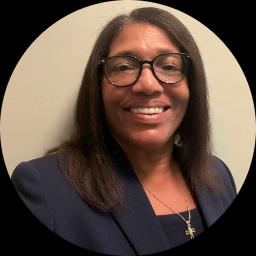
Therapist profile
Mary Redding, LCSW
Mississippi
LCSW - Family and Codependency concerns
Continue with MaryWhere Mary stands
- Credentials
- LCSW
- License
- LCSW, Mississippi / C0533
- NPI
- 1811059553
- Experience
- 36 years
- Languages
- English
- Location
- Mississippi
About
- CBT techniques
- Attachment focus
- DBT skills
About Mary
Mary Redding is a Licensed Clinical Social Worker (LCSW) based in Mississippi with 36 years of experience. She works with adults facing family and relationship strain, anxiety, depression, grief, addiction concerns, and the stress of big life changes. Mary also addresses issues like parenting strain, codependency, anger, and low self-esteem.
She uses straightforward conversation to sort out what is getting in the way. Sessions focus on skills you can use between meetings - for example, ways to manage strong emotions, notice patterns that keep you stuck, and try different responses. That practical work is mixed with time to understand how family history and attachment shape current choices.
Mary draws on a few well-established approaches. Cognitive Behavioral Therapy (CBT) helps spot unhelpful thoughts and test new behaviors. Dialectical Behavior Therapy (DBT) offers clear tools for handling intense emotion. Attachment-Based Therapy looks at how early relationships influence trust and closeness now.
Clients can expect direct, plain talk about patterns like people-pleasing, difficulty saying no, or getting drawn into someone else’s crises. The aim is to increase awareness and build habits that reduce overwhelm and resentment. She also brings experience with grief, trauma, caregiver stress, and blended family concerns.
Her work suits people who prefer practical steps alongside reflective conversation. To begin, readers are invited to use the site’s matching process and schedule an initial session to see if the approach fits their needs.
How sessions work
How her approaches work for online sessions
Mary commonly uses Acceptance and Commitment Therapy (ACT) and Cognitive Behavioral Therapy (CBT) in her work. ACT focuses on clarifying personal values and taking action even when uncomfortable thoughts or feelings appear. It helps when someone wants to shift patterns like people-pleasing or avoidance. CBT breaks down unhelpful thoughts and behaviors into step-by-step experiments so you can test new ways of reacting and reduce anxiety or depressive thinking.Finding the right approach is part of the therapeutic process. The therapist will work with each client to decide which methods fit current goals and preferences. That means trying tools, checking how they feel in everyday life, and adjusting as needed in collaboration with the client.
Session logistics should be confirmed before booking since the biography did not list specific formats. Online work can make it easier to fit sessions into a busy week, allow shorter check-ins when time is tight, and reduce travel time. Some people find phone or video sessions help them practice new skills in real settings, while others prefer a different arrangement; the therapist will discuss practical options when you schedule.
Areas of focus
Areas of expertise
Primary focus
Also works with
Additional focus areas
Therapeutic approaches
Experience
36+ years
Listed in
Mississippi
Languages
English
Questions
Frequently asked questions
What kinds of problems does she help with?
She works with family and relationship issues, anxiety, depression, grief, addictions, parenting stress, and patterns like codependency and people-pleasing.
What is her therapy style like?
Her approach mixes practical skills training with reflective conversation. Sessions focus on changing unhelpful patterns and learning tools to manage strong emotion.
How long has she been practicing?
She has 36 years of clinical experience working with adults on family and personal challenges.
Where is she based and what are her credentials?
She practices in Mississippi and holds an MS and is a Licensed Clinical Social Worker (LCSW).
Do sessions take place in other languages or serve international clients?
Sessions are offered in English. She does not accept international clients at this time.
What session formats are available?
Please confirm current session options before booking, as the biography did not list specific formats.
How does payment work and what does it cost?
Cost varies with location and services. Sessions use a subscription that can be canceled at any time.
How do I get started with her?
Select the See online therapy options button, complete the short matching questionnaire, and schedule a first session to begin.
Details come from information the therapist supplied to BetterHelp. A license can be checked with the state board.
Online talk therapy is not emergency care. If you are not safe at home, use the crisis and helpline numbers.