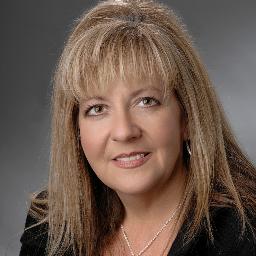
Jacqueline "Jackie" Pattison
LCPCKansas · 17 yrs exp
Licensed Clinical Professional Counselor - Relationships and Coping
Stress, Anxiety · Relationship · Family · Anger · +10 more
Read profileTherapist listings are provided by BetterHelp. We will earn a commission at no additional cost to you if you use our links to purchase.
Compare profiles of professionals who list codependency and people-pleasing under the Kansas listed location. Review focus areas, approaches, credentials, languages and experience, then browse profiles to learn more and contact those who seem like a fit.
Kansas · 17 yrs exp
Licensed Clinical Professional Counselor - Relationships and Coping
Stress, Anxiety · Relationship · Family · Anger · +10 more
Read profile
Kansas · 30 yrs exp
LSCSW working with anxiety and codependency
Stress, Anxiety · Trauma and abuse · Sleeping · Self esteem · +14 more
Read profile
Kansas · 40 yrs exp
LSCSW and LCSW - Stress and Relationships
Stress, Anxiety · Addictions · LGBT · Relationship · +16 more
Read profile
Kansas · 24 yrs exp
KS Psychologist LP - Mood and relationship concerns
Stress, Anxiety · Anger · Bipolar · Depression · +15 more
Read profile
Kansas · 35 yrs exp
Clinical Marriage and Family Therapist - Relationships and Recovery
Relationship · Family · Intimacy-related issues · Self esteem · +11 more
Read profile
Kansas · 3 yrs exp
Kansas LSCSW - Anxiety and Family concerns
Stress, Anxiety · Family · Trauma and abuse · Self esteem · +1 more
Read profile
Kansas · 4 yrs exp
Licensed LSCSW - Anxiety and Trauma
Stress, Anxiety · Relationship · Trauma and abuse · Self esteem · +1 more
Read profile
Kansas · 18 yrs exp
LPC - Relationships and Codependency
Relationship · Family · Parenting · Depression · +5 more
Read profile
Kansas · 10 yrs exp
Licensed counselor - Relationships and Mood
Stress, Anxiety · Relationship · Family · Parenting · +6 more
Read profile
Kansas · 30 yrs exp
Licensed social worker - relationships and mood
Stress, Anxiety · Relationship · Family · Parenting · +9 more
Read profile
Kansas · 15 yrs exp
Licensed counselor - Relationships and codependency
Stress, Anxiety · Relationship · Family · Trauma and abuse · +14 more
Read profile
Kansas · 10 yrs exp
Licensed Clinical Professional Counselor - Relationships and Trauma
Stress, Anxiety · Relationship · Family · Trauma and abuse · +13 more
Read profile
Kansas · 18 yrs exp
LSCSW - Relationship and identity concerns
LGBT · Family · Trauma and abuse · Parenting · +13 more
Read profile
Kansas · 15 yrs exp
LCSW counselor - codependency and trauma
Stress, Anxiety · Trauma and abuse · Grief · Self esteem · +14 more
Read profile
Kansas · 40 yrs exp
LCSW in Kansas - stress and relationship concerns
Stress, Anxiety · Addictions · Relationship · Family · +13 more
Read profile
Kansas · 23 yrs exp
LSCSW - Relationships and Anxiety
Stress, Anxiety · Relationship · Trauma and abuse · Self esteem · +8 more
Read profile
Kansas · 16 yrs exp
Licensed Professional Counselor - relationships and mood
Stress, Anxiety · Addictions · Trauma and abuse · Bipolar · +15 more
Read profile
Kansas · 7 yrs exp
Licensed therapist - relationships and anxiety
Stress, Anxiety · Relationship · Intimacy-related issues · Coping with life changes
Read profile
Kansas · 9 yrs exp
Licensed counselor - relationships and codependency
Stress, Anxiety · Relationship · Anger · Depression · +11 more
Read profile
Kansas · 24 yrs exp
Licensed MFT - Relationship and Trauma
Stress, Anxiety · Relationship · Trauma and abuse · Depression · +1 more
Read profile
Kansas · 12 yrs exp
Licensed clinical social worker - Relationships and Grief
Relationship · Grief · Self esteem · Coping with life changes · +9 more
Read profile
Kansas · 30 yrs exp
LCPC counselor - Relationships and codependency
Stress, Anxiety · Relationship · Trauma and abuse · Depression · +10 more
Read profile
Kansas · 8 yrs exp
LCPC in Kansas - anxiety and trauma support
Stress, Anxiety · Trauma and abuse · Self esteem · Depression · +1 more
Read profile
Kansas · 7 yrs exp
Licensed Clinical Social Worker - Trauma and Relationships
Stress, Anxiety · Relationship · Trauma and abuse · Bipolar · +15 more
Read profile
Kansas · 12 yrs exp
Kansas LCPC - Relationships and Codependency
Stress, Anxiety · Relationship · Self esteem · Career · +12 more
Read profile
Kansas · 35 yrs exp
LCSW clinician - relationships and life changes
Relationship · Grief · Career · Coping with life changes · +1 more
Read profile
Kansas · 10 yrs exp
Licensed Clinical Marriage and Family Therapist - Relationships and Intimacy
Stress, Anxiety · LGBT · Relationship · Intimacy-related issues · +1 more
Read profile
Kansas · 10 yrs exp
LSCSW - Relationships and Trauma
Stress, Anxiety · Relationship · Trauma and abuse · Eating · +7 more
Read profile
Kansas · 6 yrs exp
Kansas psychologist - Anxiety and Addictions
Stress, Anxiety · Addictions · Trauma and abuse · Self esteem · +2 more
Read profile
Kansas · 30 yrs exp
Licensed marriage and family therapist - relationships and stress
Stress, Anxiety · Relationship · Self esteem · Depression · +1 more
Read profile
Kansas · 4 yrs exp
Kansas LSCSW focused on relationships and codependency
Stress, Anxiety · Relationship · Grief · Depression · +12 more
Read profile
Kansas · 10 yrs exp
Licensed counselor - Relationships and stress
Stress, Anxiety · Family · Self esteem · Coping with life changes · +8 more
Read profile
Kansas · 11 yrs exp
Licensed MFT focused on relationships and addictions
Stress, Anxiety · Addictions · Relationship · Trauma and abuse · +1 more
Read profile
Kansas · 9 yrs exp
LSCSW - Anxiety and Trauma care
Stress, Anxiety · LGBT · Trauma and abuse · Depression · +1 more
Read profile
Kansas · 8 yrs exp
Licensed Clinical Psychotherapist - Anxiety and Relationships
Stress, Anxiety · Relationship · Eating · Depression · +1 more
Read profile
Kansas · 3 yrs exp
LSCSW - Stress and Trauma support
Stress, Anxiety · Trauma and abuse · Grief · Self esteem · +1 more
Read profile
Kansas · 18 yrs exp
Dr. Arthalia Weekes - LSCSW LCSW, trauma and relationships
Stress, Anxiety · Relationship · Trauma and abuse · Self esteem · +1 more
Read profileIf you find yourself putting other people first at your own expense, having trouble saying no, losing a sense of who you are in relationships, or arranging your life around someone else s drinking, moods, or crises, you are describing a pattern often called codependency. That pattern is not a diagnosis. It is a way of relating that can involve people-pleasing, boundary difficulties, diminished self-worth, and habitual caretaking. When you look at profiles, think about the practical shifts you want - clearer boundaries, stronger sense of identity, emotional regulation when others are in crisis, or support navigating relationships affected by addiction or mental health concerns.
Therapeutic work often focuses on clarifying values, practicing saying no, noticing unhelpful interaction patterns, and strengthening strategies for self-care and advocacy. Some people also want help addressing trauma, family patterns, or the impact of a partner s substance use or mood instability. If you are currently unsafe at home or fear for your safety, reach out to emergency services right away. If you are in the United States you can call 911 or the National Domestic Violence Hotline at 1-800-799-7233. If you are in the United Kingdom, contact emergency services or the National Domestic Abuse Helpline at 0808 2000 247. In Australia, contact emergency services or 1800RESPECT at 1800 737 732. These resources can help you find immediate assistance and local shelter options.
On this site you will see a listed location of Kansas for some profiles. That listed location groups profiles by place but is not proof of a physical office, geographic proximity, eligibility for every resident, or current permission to practice there. When a profile looks like a potential fit, check the individual profile details and confirm directly with the professional that they are permitted to work with you where you live. Laws and professional rules differ by country and by U.S. state, and those differences matter for online and in-person care alike.
Degrees and professional permission to practice are not the same. You may see academic degrees such as PhD, PsyD, MD, MA, or MSW listed on profiles. These describe educational background. Professional permission to practice is a separate status that may be described using licensure or registration terms. In the United States this often takes the form of a state license such as a Licensed Clinical Social Worker, Licensed Professional Counselor, or Licensed Marriage and Family Therapist. In the United Kingdom and Australia professionals may refer to registration or membership with national or regional bodies rather than a U.S.-style license. A degree alone does not establish current permission to practice in a particular state or country, so always confirm the therapist s credentialing language and whether they can work with you in Kansas or in your jurisdiction.
When you contact someone whose profile interests you, having concrete questions helps you compare how well their focus and style match your needs. Ask whether they commonly work with adults who struggle with people-pleasing and boundary-setting, and how they describe that work in practice. Request examples of the kinds of goals they help people pursue and ask what a typical early session looks like for someone arriving with your concerns. If the profile lists particular approaches, phrase questions to reflect that these are self-reported - for example, ask therapists who list EMDR among their approaches to explain how they use it with relationship or trauma work, or ask therapists who list narrative, psychodynamic, or cognitive-behavioral approaches to describe how those frameworks shape day-to-day sessions.
Also ask about experience with related issues you are facing, such as partners who drink heavily, mood disorders in a loved one, managing caretaking responsibilities, or healing family-of-origin patterns. Practical comparison questions include: Do you work with people whose partners have substance use problems? How do you help people learn and practice boundaries in family settings? What does progress look like from your perspective? These sorts of questions give you a clearer sense of emphasis and fit than generic descriptions.
If you are considering online sessions, clarify a few specific points before you begin. Confirm that the professional has permission to provide care to people in your state or country. Ask how they handle differences in time zones and what methods of communication they use for scheduling, brief check-ins, or urgent concerns. Discuss how they prefer to manage safety planning and emergencies when you are not in the same jurisdiction, and whether they will provide local resources or crisis contacts in Kansas or in your area if you need them.
It is also helpful to ask about the therapist s expectations around messaging between sessions, cancellation and missed session policies, and whether they include written notes or summaries of goals and next steps. Ask how they protect your privacy and what you can expect in terms of recordkeeping, without assuming the same rules apply across countries. If language access matters to you, confirm which languages they speak and whether they can work with cultural or identity issues that matter in your life. These practical conversations help you understand the working arrangement and whether the clinician s way of operating fits the boundaries and logistical needs you have.
When you scan profiles, compare how each entry describes focus areas, approaches, languages, credentials, and style. Focus areas tell you the topics a clinician lists, such as codependency, people-pleasing, relationships affected by addiction, or boundary work. Approaches are frameworks they say they use; remember that a profile listing an approach is not evidence of formal certification in that modality. Languages and cultural competence are often noted on profiles and can be decisive if you want to speak in a language other than English or prefer someone familiar with your cultural background.
Credentials include both academic degrees and professional permission to practice. You can place weight on degrees to understand training background, while using licensure or registration statements to determine whether they are authorized to provide care in the United States, United Kingdom, or Australia. Consider therapeutic style as well - some clinicians describe an exploratory, insight-oriented stance while others describe a skills-focused, practical stance - and think about which approach feels more likely to help you practice boundaries and build self-worth. Concrete comparison prompts while reviewing profiles are: What kinds of relationships do they list as a focus? Which approaches do they name and how do they explain using them with codependency concerns? What languages do they offer? What credentials and geographic permissions do they state? After narrowing choices, contact the profiles that feel closest to your needs and confirm permission to work together where you live before planning next steps.
Finding the right fit takes time and a little investigation. Use profiles to compare emphasis and style, ask specific questions about approach and jurisdiction, and choose someone who communicates clearly about how they would work with the issues you brought up. That information helps you make an informed choice about who to connect with from the Kansas listed location.
Addictions
3514 therapists
Anger
3758 therapists
Control Issues
3696 therapists
Depression
5281 therapists
Domestic Violence
2636 therapists
Grief
4264 therapists
Guilt and Shame
4937 therapists
Isolation / Loneliness
4503 therapists
Mood Disorders
3681 therapists
Narcissism
1760 therapists
Panic Disorder and Panic Attacks
3429 therapists
Personality Disorders
1983 therapists
Post-Traumatic Stress
4113 therapists
Self Esteem
5187 therapists
Social Anxiety and Phobia
4253 therapists
Stress & Anxiety
5739 therapists
Trauma and Abuse
4787 therapists
Abandonment
3745 therapists
Attachment Issues
3924 therapists
Caregiver Issues and Stress
3369 therapists
Commitment Issues
3221 therapists
Communication Problems
4974 therapists
Compassion Fatigue
3039 therapists
Coping with Life Changes
4819 therapists
Divorce
3758 therapists
Family
4253 therapists
Family of Origin Issues
2932 therapists
Forgiveness
4352 therapists
Infidelity
2779 therapists
Jealousy
2818 therapists
Life Purpose
4715 therapists
Parenting
3372 therapists
Relationship
4972 therapists
Self-Love
4745 therapists
Workplace Issues
3772 therapists