
L M (Loretta) Hartley-Bangs
LISW-CPSouth Carolina · 36 yrs exp
LISW-CP counselor - Codependency and mood concerns
Stress, Anxiety · Addictions · Family · Trauma and abuse · +3 more
Read profileTherapist listings are provided by BetterHelp. We will earn a commission at no additional cost to you if you use our links to purchase.
Browse South Carolina profiles to compare professionals who list codependency and people-pleasing among their focus areas. Review approaches, credentials, languages and the listed location, and check each profile to confirm permission to work with you where you live.
South Carolina · 36 yrs exp
LISW-CP counselor - Codependency and mood concerns
Stress, Anxiety · Addictions · Family · Trauma and abuse · +3 more
Read profile
South Carolina · 20 yrs exp
Licensed Independent Social Worker - Relationships and Eating Issues
Stress, Anxiety · Relationship · Eating · Self esteem · +10 more
Read profile
South Carolina · 8 yrs exp
Licensed Professional Counselor - trauma and relationships
Stress, Anxiety · Trauma and abuse · Self esteem · Depression · +16 more
Read profile
South Carolina · 20 yrs exp
Licensed counselor - codependency and relationships
Stress, Anxiety · Relationship · Trauma and abuse · Anger · +11 more
Read profile
South Carolina · 9 yrs exp
LPC - Anxiety and Codependency support
Stress, Anxiety · Family · Eating · Self esteem · +9 more
Read profile
South Carolina · 18 yrs exp
Licensed Professional Counselor - Codependency and Addictions
Stress, Anxiety · Addictions · Relationship · Trauma and abuse · +9 more
Read profile
South Carolina · 25 yrs exp
Licensed Professional Counselor - Addictions and Relationships
Addictions · Relationship · Grief · Self esteem · +9 more
Read profile
South Carolina · 13 yrs exp
LMFT - Relationships and Codependency
Stress, Anxiety · Relationship · Intimacy-related issues · Self esteem · +9 more
Read profile
South Carolina · 16 yrs exp
LMFT - Relationships and Codependency
Stress, Anxiety · Addictions · LGBT · Parenting · +12 more
Read profile
South Carolina · 7 yrs exp
Licensed Professional Counselor - Anxiety and Relationships
Stress, Anxiety · Self esteem · Depression · Coping with life changes · +9 more
Read profile
South Carolina · 8 yrs exp
LPC and LPCC - anxiety and addiction focus
Stress, Anxiety · Addictions · Relationship · Depression · +11 more
Read profile
South Carolina · 10 yrs exp
Licensed Professional Counselor - Relationships and Addictions
Stress, Anxiety · Addictions · Relationship · Depression · +10 more
Read profile
South Carolina · 17 yrs exp
Licensed Professional Counselor - Relationships and Mood
Stress, Anxiety · Relationship · Parenting · Depression · +11 more
Read profile
South Carolina · 5 yrs exp
Licensed Professional Counselor - Anxiety and Relationships
Stress, Anxiety · Self esteem · Depression · Coping with life changes · +9 more
Read profile
South Carolina · 10 yrs exp
LCSW counselor - codependency and addictions
Stress, Anxiety · Addictions · Trauma and abuse · Sleeping · +8 more
Read profile
South Carolina · 10 yrs exp
Licensed Marriage and Family Therapist - Relationships and Trauma
Stress, Anxiety · Relationship · Family · Trauma and abuse · +2 more
Read profile
South Carolina · 10 yrs exp
LPC and LCMHC - Relationships and Trauma
Relationship · Family · Trauma and abuse · Grief · +1 more
Read profile
South Carolina · 12 yrs exp
Licensed social worker - Stress and relationships
Stress, Anxiety · LGBT · Trauma and abuse · Anger · +1 more
Read profile
South Carolina · 40 yrs exp
Licensed Professional Counselor - Stress and Life Changes
Stress, Anxiety · Intimacy-related issues · Self esteem · Depression · +1 more
Read profile
South Carolina · 6 yrs exp
LISW-CP in South Carolina - Anxiety and Codependency
Stress, Anxiety · Grief · Anger · Self esteem · +1 more
Read profile
South Carolina · 5 yrs exp
Licensed social worker - codependency and family concerns
Stress, Anxiety · Family · Trauma and abuse · Self esteem · +1 more
Read profile
South Carolina · 14 yrs exp
LISW-CP in South Carolina - Relationships and Stress
Stress, Anxiety · Relationship · Parenting · Depression · +1 more
Read profile
South Carolina · 24 yrs exp
Licensed counselor - Addiction and relationships
Stress, Anxiety · Addictions · Family · Parenting · +12 more
Read profile
South Carolina · 16 yrs exp
Licensed Professional Counselor - Relationships and Trauma
Relationship · Family · Trauma and abuse · Grief · +9 more
Read profile
South Carolina · 20 yrs exp
Licensed Professional Counselor - Relationships and Codependency
Stress, Anxiety · LGBT · Relationship · Trauma and abuse · +14 more
Read profile
South Carolina · 12 yrs exp
Licensed Professional Counselor - Relationships and Mood
Stress, Anxiety · Relationship · Parenting · Depression · +10 more
Read profile
South Carolina · 25 yrs exp
Licensed Professional Counselor - Stress and Relationships
Stress, Anxiety · Parenting · Self esteem · Depression · +7 more
Read profile
South Carolina · 10 yrs exp
LPC in South Carolina - Relationships and Codependency
Stress, Anxiety · Relationship · Parenting · Self esteem · +13 more
Read profile
South Carolina · 9 yrs exp
LPC and LMHC - anxiety and addiction support
Stress, Anxiety · Addictions · Trauma and abuse · Self esteem · +13 more
Read profile
South Carolina · 10 yrs exp
Licensed Professional Counselor - Relationships and Mood
Stress, Anxiety · Relationship · Grief · Self esteem · +8 more
Read profile
South Carolina · 9 yrs exp
LISW-CP - Codependency and trauma focus
Stress, Anxiety · Anger · Depression · Compassion fatigue · +8 more
Read profile
South Carolina · 8 yrs exp
Licensed Professional Counselor - relationships and stress
Stress, Anxiety · Relationship · Depression · Coping with life changes · +7 more
Read profile
South Carolina · 7 yrs exp
LISW-CP - Relationships and Stress
Stress, Anxiety · Relationship · Grief · Depression · +12 more
Read profile
South Carolina · 30 yrs exp
Licensed counselor - Relationships and Codependency
Stress, Anxiety · Relationship · Grief · Depression · +9 more
Read profile
South Carolina · 21 yrs exp
Licensed counselor - anxiety and trauma
Stress, Anxiety · Trauma and abuse · Self esteem · Depression · +12 more
Read profile
South Carolina · 10 yrs exp
Licensed Professional Counselor - relationships and anxiety
Stress, Anxiety · Relationship · Trauma and abuse · Self esteem · +16 more
Read profile
South Carolina · 8 yrs exp
Licensed Professional Counselor - Relationships and Stress
Stress, Anxiety · Relationship · Family · Coping with life changes · +11 more
Read profile
South Carolina · 25 yrs exp
LPC in South Carolina - Mood and coping concerns
Stress, Anxiety · Anger · Self esteem · Depression · +4 more
Read profile
South Carolina · 20 yrs exp
Licensed counselor - codependency and relationships
Stress, Anxiety · Trauma and abuse · Anger · Self esteem · +10 more
Read profile
South Carolina · 22 yrs exp
Licensed Professional Counselor - addictions and mood concerns
Stress, Anxiety · Addictions · Self esteem · Depression · +8 more
Read profile
South Carolina · 10 yrs exp
Licensed counselor - relationships and stress
Stress, Anxiety · Relationship · Self esteem · Career · +8 more
Read profile
South Carolina · 6 yrs exp
Licensed Professional Counselor - Trauma and Relationships
Stress, Anxiety · Relationship · Family · Trauma and abuse · +12 more
Read profile
South Carolina · 15 yrs exp
Licensed Professional Counselor - codependency and relationships
Stress, Anxiety · Trauma and abuse · Anger · Self esteem · +13 more
Read profile
South Carolina · 6 yrs exp
LPC - Stress and Relationship Concerns
Stress, Anxiety · Trauma and abuse · Grief · Depression · +9 more
Read profile
South Carolina · 10 yrs exp
Licensed Professional Counselor - Codependency and relationships
Stress, Anxiety · Anger · Self esteem · Coping with life changes · +13 more
Read profile
South Carolina · 24 yrs exp
LPC in South Carolina - Relationships and Codependency
Stress, Anxiety · Relationship · Self esteem · Depression · +14 more
Read profile
South Carolina · 14 yrs exp
Licensed Professional Counselor - Anxiety and Relationships
Stress, Anxiety · Relationship · Family · Self esteem · +10 more
Read profile
South Carolina · 22 yrs exp
LPC in South Carolina - anxiety and addiction care
Stress, Anxiety · Addictions · Trauma and abuse · Grief · +10 more
Read profile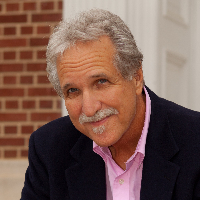
South Carolina · 33 yrs exp
Licensed Professional Counselor - Relationships and Life Transitions
Stress, Anxiety · Relationship · Family · Career · +10 more
Read profile
South Carolina · 9 yrs exp
Licensed counselor - codependency and relationships
Stress, Anxiety · Addictions · Relationship · Grief · +11 more
Read profile
South Carolina · 25 yrs exp
Licensed Professional Counselor - Anxiety and Addiction
Stress, Anxiety · Addictions · Depression · Coping with life changes · +10 more
Read profile
South Carolina · 5 yrs exp
Licensed Professional Counselor - Anxiety and Relationships
Stress, Anxiety · LGBT · Relationship · Family · +14 more
Read profile
South Carolina · 23 yrs exp
LPC in South Carolina - Anxiety and Addictions
Stress, Anxiety · Addictions · LGBT · Trauma and abuse · +11 more
Read profile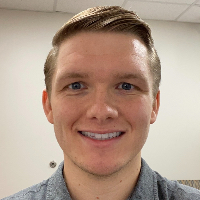
South Carolina · 5 yrs exp
Licensed Independent Social Worker - Relationships and Mood
Stress, Anxiety · LGBT · Trauma and abuse · Bipolar · +11 more
Read profile
South Carolina · 7 yrs exp
Licensed Professional Counselor - Codependency, Anxiety
Stress, Anxiety · Trauma and abuse · Self esteem · Depression · +11 more
Read profile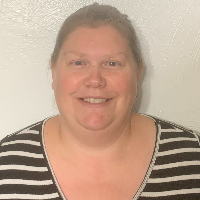
South Carolina · 18 yrs exp
Licensed counselor - Anxiety and relationships
Stress, Anxiety · Relationship · Trauma and abuse · Self esteem · +13 more
Read profile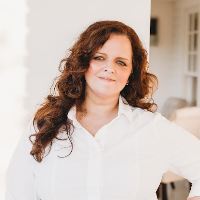
South Carolina · 8 yrs exp
Licensed Professional Counselor - Anxiety and Addictions
Stress, Anxiety · Addictions · Trauma and abuse · Depression · +6 more
Read profile
South Carolina · 5 yrs exp
Licensed Marriage and Family Therapist - Relationships and Codependency
Stress, Anxiety · Relationship · Parenting · Self esteem · +8 more
Read profile
South Carolina · 6 yrs exp
Licensed Professional Counselor - Relationships and Codependency
Stress, Anxiety · Relationship · Grief · Self esteem · +6 more
Read profile
South Carolina · 30 yrs exp
LPC counselor focused on addictions and mood concerns
Addictions · Anger · Coping with life changes · Stress, Anxiety · +11 more
Read profileIf you consistently put other people first at the expense of your own needs, or find it hard to say no without guilt, you are not alone in facing these patterns. People-pleasing and codependency describe recurring ways of relating - placing other people’s needs, moods or crises at the center of your choices, or losing sight of your own priorities and values. These patterns are not a diagnosis and they do not define you. They are habits and responses that developed for reasons that often make sense in the context of your relationships and history.
In looking for help you may be focused on learning clearer boundaries, building self-worth, or making different decisions in relationships that feel draining or risky. Talk with a professional about the everyday situations that worry you: falling into caretaking roles with someone who drinks or uses substances, staying in a relationship because you fear hurting the other person, or constantly reorganizing your life around another’s crises. A therapist can be a partner in exploring choices and coping strategies, but no one can promise to fix a relationship for you. If you are currently in immediate danger where you live, call emergency services (for example 911 in the United States) or contact a local domestic-abuse helpline for urgent support and safety planning.
The directory groups profiles under the listed location South Carolina, but a listed location is not proof of an office address, proximity to you, or ongoing permission to practice there. Use each profile to check whether the professional indicates that they can work with clients where you live. If you plan to seek care across state or national lines, confirm that the person has current permission to provide services in your jurisdiction.
Profiles often show academic degrees such as PhD, PsyD, MD, MA or MSW and may also mention professional licenses, registrations or memberships. Those are different things. In the United States, state-issued licenses are the credential that typically authorizes clinical practice; in the United Kingdom and Australia professionals may show registration, accreditation, or membership with recognized bodies. An academic degree alone does not guarantee permission to practice clinically. When you read a profile, note both academic qualifications and any statements about licensing, registration or professional memberships so you can ask directly about the current status and scope of practice.
Preparing focused questions helps you compare profiles and clarify what a professional offers. Ask how they understand codependency and people-pleasing in adult relationships, and what kinds of goals people commonly work on with them. Request examples of the kinds of situations they have experience supporting - for example, adults whose lives have been organized around another person’s substance use, mood instability, or chronic crises. If culture, identity or trauma are important to you, ask how they integrate these factors into their work.
When you read that a therapist lists specific approaches, remember that a listing is an indication of areas they use, not proof of certification in any single method. You can ask whether they typically draw on certain approaches and what that looks like in sessions. Concrete questions include: How do you usually help someone who struggles to say no? What would a first few sessions focus on? Do you work with people affected by a partner’s drinking or other addictive behaviors? Are you experienced supporting survivors of abuse and helping with safety planning? These direct questions will give you clearer information than general phrases on a profile.
If you are considering remote sessions, discuss practical and safety details up front. Confirm whether the professional is authorized to provide care to people in your state or country, and ask how they handle scheduling across time zones. Clarify the technology they use, what to expect if a connection fails, and any steps they take to protect your privacy and records. If you live with someone who monitors your devices, talk about whether remote sessions are feasible and what alternatives might exist.
It is also important to explore crisis procedures before you begin. Ask how the person manages situations when someone feels overwhelmed or at risk between meetings and whether they have local referral options in your area. If you are currently unsafe at home, prioritize contacting local emergency services or a domestic-abuse helpline for immediate help rather than waiting to set up care. Finally, agree on how you will describe sessions in communications if discretion matters to you; many people prefer straightforward phrases that do not disclose clinical details when scheduling or messaging.
When you review profiles on this South Carolina page, pay attention to several practical features that help you compare options. Look for clear statements about the issues the professional lists, such as codependency and people-pleasing, and read how they describe working with those concerns. Note the languages they speak if communicating in your preferred language matters. Observe whether they highlight particular populations or life stages they work with and whether they mention trauma-informed or culturally aware practice in their own words.
Consider the tone and detail of each profile as an indicator of therapeutic style. Some professionals describe a collaborative, exploratory approach that focuses on helping you find your voice and values. Others describe more structured approaches aimed at building specific skills like assertiveness and boundary-setting. Decide which style aligns with what you think will help you engage. Use concrete comparison questions such as: Which professionals describe work with adults who prioritize others’ needs? Which profiles include examples of boundary work or safety planning? Who lists the languages you need? Which entries clearly state whether they can provide services where you live? Remember that a professional listing codependency as a focus area is not evidence of a specialist qualification; it is a signal to ask about relevant experience and how they would work with your situation.
As you move from browsing to contact, gather the information that matters most to you and make a short list of profiles to reach out to. Checking credentials, asking the specific questions outlined here, and confirming jurisdictional permission will help you make informed choices. Take your time reviewing profiles and trust your sense of whether a person’s described style and experience feels like a good fit for the changes you want to make in your relationships and your life.
Addictions
3514 therapists
Anger
3758 therapists
Control Issues
3696 therapists
Depression
5281 therapists
Domestic Violence
2636 therapists
Grief
4264 therapists
Guilt and Shame
4937 therapists
Isolation / Loneliness
4503 therapists
Mood Disorders
3681 therapists
Narcissism
1760 therapists
Panic Disorder and Panic Attacks
3429 therapists
Personality Disorders
1983 therapists
Post-Traumatic Stress
4113 therapists
Self Esteem
5187 therapists
Social Anxiety and Phobia
4253 therapists
Stress & Anxiety
5739 therapists
Trauma and Abuse
4787 therapists
Abandonment
3745 therapists
Attachment Issues
3924 therapists
Caregiver Issues and Stress
3369 therapists
Commitment Issues
3221 therapists
Communication Problems
4974 therapists
Compassion Fatigue
3039 therapists
Coping with Life Changes
4819 therapists
Divorce
3758 therapists
Family
4253 therapists
Family of Origin Issues
2932 therapists
Forgiveness
4352 therapists
Infidelity
2779 therapists
Jealousy
2818 therapists
Life Purpose
4715 therapists
Parenting
3372 therapists
Relationship
4972 therapists
Self-Love
4745 therapists
Workplace Issues
3772 therapists