
Lowell Wallace
LCSWMississippi · 12 yrs exp
Licensed Clinical Social Worker - Stress and Addictions
Stress, Anxiety · Addictions · Anger · Self esteem · +12 more
Read profileTherapist listings are provided by BetterHelp. We will earn a commission at no additional cost to you if you use our links to purchase.
Browse profiles of clinicians who list codependency and people-pleasing among their focus areas in Mississippi. Use the profile details to compare credentials, approaches, languages, and experience, and then contact a clinician to learn more about working together.
This page groups profiles under the listed location Mississippi. This is not evidence of an office, physical proximity, eligibility for every resident, or an active license in that location. Check the individual profile and confirm permission to work together where you live.
Mississippi · 12 yrs exp
Licensed Clinical Social Worker - Stress and Addictions
Stress, Anxiety · Addictions · Anger · Self esteem · +12 more
Read profile
Mississippi · 36 yrs exp
LCSW - Family and Codependency concerns
Family · Parenting · Anger · Self esteem · +11 more
Read profile
Mississippi · 15 yrs exp
Licensed Professional Counselor - Relationships and Addictions
Stress, Anxiety · Addictions · Relationship · Family · +5 more
Read profile
Mississippi · 20 yrs exp
Licensed Professional Counselor - Anxiety and Codependency
Stress, Anxiety · Addictions · Trauma and abuse · Anger · +14 more
Read profile
Mississippi · 10 yrs exp
Licensed Professional Counselor - Stress and Relationships
Stress, Anxiety · Addictions · Anger · Self esteem · +9 more
Read profile
Mississippi · 16 yrs exp
LPC in Mississippi - relationships and self-worth
Stress, Anxiety · Parenting · Anger · Self esteem · +10 more
Read profile
Mississippi · 51 yrs exp
Dr. Ricardo Gillispie, LCSW - Codependency and Relationships
Stress, Anxiety · Relationship · Self esteem · Depression · +15 more
Read profile
Mississippi · 20 yrs exp
Licensed counselor - relationships and codependency
Stress, Anxiety · Relationship · Trauma and abuse · Anger · +10 more
Read profile
Mississippi · 23 yrs exp
Licensed Professional Counselor - Stress and Relationships
Stress, Anxiety · Relationship · Family · Trauma and abuse · +14 more
Read profile
Mississippi · 5 yrs exp
LPC in Mississippi - Stress and Trauma
Stress, Anxiety · Trauma and abuse · Self esteem · Coping with life changes · +1 more
Read profile
Mississippi · 20 yrs exp
LPCC LPC - Stress and Relationship Concerns
Stress, Anxiety · Trauma and abuse · Parenting · Self esteem · +7 more
Read profile
Mississippi · 14 yrs exp
Dr Lisa Hammons - LPC, stress and relationships
Stress, Anxiety · Relationship · Self esteem · Depression · +1 more
Read profile
Mississippi · 15 yrs exp
LCSW - Relationships and Trauma
Stress, Anxiety · Relationship · Trauma and abuse · Anger · +1 more
Read profile
Mississippi · 4 yrs exp
Licensed Professional Counselor - Stress and Addictions
Stress, Anxiety · Addictions · Self esteem · Depression · +1 more
Read profile
Mississippi · 5 yrs exp
Licensed Professional Counselor - Stress and Anxiety
Stress, Anxiety · Self esteem · Coping with life changes · Compassion fatigue
Read profile
Mississippi · 35 yrs exp
Dr. Patricia Brawley, LPC - Codependency and Mood Concerns
Stress, Anxiety · Trauma and abuse · Grief · Depression · +11 more
Read profile
Mississippi · 14 yrs exp
LPC - Relationships and Codependency
Stress, Anxiety · Relationship · Trauma and abuse · Depression · +7 more
Read profile
Mississippi · 23 yrs exp
Licensed clinical social worker - Codependency and relationships
Stress, Anxiety · Grief · Anger · Self esteem · +8 more
Read profile
Mississippi · 11 yrs exp
Licensed Professional Counselor - Anxiety and Relationships
Stress, Anxiety · Parenting · Depression · Coping with life changes · +11 more
Read profile
Mississippi · 14 yrs exp
Licensed Professional Counselor - Stress and Relationships
Stress, Anxiety · Addictions · Relationship · Family · +11 more
Read profile
Mississippi · 13 yrs exp
Licensed counselor - Relationship and Addictions
Addictions · Relationship · Parenting · Anger · +8 more
Read profile
Mississippi · 21 yrs exp
Licensed Professional Counselor - Relationships and Codependency
Stress, Anxiety · Self esteem · Depression · Coping with life changes · +15 more
Read profile
Mississippi · 18 yrs exp
LCSW - Trauma and Relationship Concerns
Stress, Anxiety · Trauma and abuse · Anger · Bipolar · +10 more
Read profile
Mississippi · 13 yrs exp
Dr. Kristina Thompson, LPC - Stress and Relationship Concerns
Stress, Anxiety · Trauma and abuse · Anger · Depression · +14 more
Read profile
Mississippi · 26 yrs exp
Licensed Professional Counselor - Relationships and Anxiety
Stress, Anxiety · Relationship · Family · Trauma and abuse · +10 more
Read profile
Mississippi · 30 yrs exp
LMFT - Stress and Relationship Patterns
Stress, Anxiety · Addictions · Trauma and abuse · Grief · +1 more
Read profile
Mississippi · 5 yrs exp
Licensed Professional Counselor - Stress and Addictions
Stress, Anxiety · Addictions · Trauma and abuse · Grief · +9 more
Read profile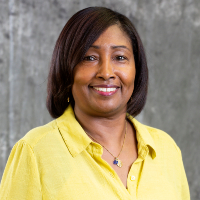
Mississippi · 30 yrs exp
Licensed Professional Counselor - Relationships and Mood
Stress, Anxiety · Relationship · Family · Grief · +12 more
Read profile
Mississippi · 25 yrs exp
Licensed Professional Counselor - Relationships and Codependency
Stress, Anxiety · Relationship · Family · Grief · +11 more
Read profile
Mississippi · 9 yrs exp
Licensed Professional Counselor - Trauma and Relationships
Family · Trauma and abuse · Grief · Self esteem · +8 more
Read profile
Mississippi · 9 yrs exp
LICSW - Stress and Relationship Concerns
Stress, Anxiety · Family · Trauma and abuse · Depression · +10 more
Read profile
Mississippi · 21 yrs exp
LCSW - Stress and relationship concerns
Stress, Anxiety · Self esteem · Depression · Coping with life changes · +12 more
Read profile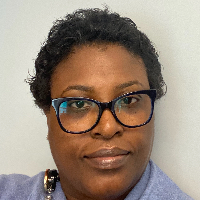
Mississippi · 20 yrs exp
Licensed Clinical Social Worker - Relationships and Grief
Relationship · Family · Grief · Intimacy-related issues · +3 more
Read profile
Mississippi · 25 yrs exp
LICSW counselor - stress and relationships
Stress, Anxiety · Grief · Parenting · Self esteem · +6 more
Read profile
Mississippi · 15 yrs exp
LCSW - Codependency and relationship concerns
Stress, Anxiety · Trauma and abuse · Grief · Self esteem · +12 more
Read profile
Mississippi · 3 yrs exp
Licensed Clinical Social Worker - Relationships and Anxiety
Stress, Anxiety · Relationship · Intimacy-related issues · Self esteem · +4 more
Read profile
Mississippi · 17 yrs exp
LICSW in Mississippi - Relationships and Self-esteem
Relationship · Family · Intimacy-related issues · Self esteem · +2 more
Read profile
Mississippi · 39 yrs exp
LPC counselor - relationships and codependency
Stress, Anxiety · Relationship · Family · Trauma and abuse · +14 more
Read profile
Mississippi · 6 yrs exp
Licensed Clinical Social Worker - Stress and Relationships
Stress, Anxiety · Depression · Coping with life changes · LGBT · +6 more
Read profile
Mississippi · 9 yrs exp
Licensed counselor - codependency and mood concerns
Stress, Anxiety · Grief · Career · Depression · +5 more
Read profile
Mississippi · 3 yrs exp
Licensed Professional Counselor - stress and relationships
Stress, Anxiety · Parenting · Coping with life changes · Addictions · +6 more
Read profile
Mississippi · 21 yrs exp
Licensed Professional Counselor - Relationships and Stress
Stress, Anxiety · Relationship · Family · Grief · +11 more
Read profile
Mississippi · 4 yrs exp
Licensed Professional Counselor - Relationships and Coping
Stress, Anxiety · Relationship · Grief · Anger · +12 more
Read profile
Mississippi · 5 yrs exp
Licensed counselor - anxiety and trauma
Stress, Anxiety · LGBT · Family · Trauma and abuse · +1 more
Read profile
Mississippi · 5 yrs exp
Licensed Professional Counselor - Addictions and Relationships
Stress, Anxiety · Addictions · Intimacy-related issues · Self esteem · +5 more
Read profile
Mississippi · 6 yrs exp
Licensed counselor - Codependency and mood concerns
Stress, Anxiety · Trauma and abuse · Grief · Coping with life changes · +9 more
Read profile
Mississippi · 15 yrs exp
Licensed Clinical Social Worker - Relationships and Trauma
Stress, Anxiety · Relationship · Trauma and abuse · Depression · +1 more
Read profile
Mississippi · 4 yrs exp
LICSW in Mississippi - grief and life changes
Stress, Anxiety · Grief · Self esteem · Coping with life changes · +12 more
Read profile
Mississippi · 3 yrs exp
Licensed Professional Counselor - Relationships and Anxiety
Stress, Anxiety · Relationship · Intimacy-related issues · Self esteem · +1 more
Read profile
Mississippi · 17 yrs exp
Licensed Clinical Social Worker - Relationships and Stress
Stress, Anxiety · Relationship · Parenting · Self esteem · +1 more
Read profile
Mississippi · 13 yrs exp
Licensed Professional Counselor - Anxiety and Relationships
Stress, Anxiety · Relationship · Depression · Coping with life changes · +15 more
Read profile
Mississippi · 30 yrs exp
Licensed Professional Counselor - Relationships and Trauma
Stress, Anxiety · Relationship · Trauma and abuse · Grief · +1 more
Read profileIf you find yourself putting other people first and losing your sense of what you want, it can feel confusing and exhausting. People-pleasing can show up as difficulty saying no, over-apologising, staying in relationships that hurt you because you worry about the other person, or organising your life around someone else’s mood swings, drinking, or crises. Codependency is a pattern of relating rather than a medical label, and many people look for help when they want clearer boundaries, stronger self-worth, and more balance in relationships.
When you read profiles, pay attention to how clinicians describe working with these patterns. Some profiles will name codependency and people-pleasing directly as focus areas. That is useful for identifying who writes about those issues, but it does not mean any particular outcome is guaranteed or that a profile establishes a specialist credential. Use the profile descriptions as a starting point for conversation about your specific experiences and goals.
Profiles are grouped under the listed location Mississippi, but that label does not automatically prove a clinician has an office in-state or the legal permission to practise there. For clinicians based in the United States, licences are issued by state boards and the exact title, scope, and rules vary. In the UK and Australia clinicians may list professional registration or membership with national bodies rather than a US-style licence. Academic degrees such as PhD, PsyD, MD, MA, or MSW describe formal education and do not by themselves establish current permission to practise where you live.
When comparing profiles, look for clear statements about the type of credential the clinician holds and the jurisdiction where that credential applies. Ask whether the clinician is authorised to work with residents of Mississippi or with residents of your country if you are outside the US. If you plan to meet in person, confirm the listed location reflects an actual office you can attend. For remote care, verify the clinician is permitted by their regulator to provide services across state or national lines and that they will work with people in your location.
It helps to prepare specific questions you can use to compare clinicians. You might ask how the clinician typically describes people-pleasing and codependency in their work, and whether they have experience helping people strengthen boundaries and self-worth. Ask which approaches they list on their profile and how they adapt those approaches for people whose lives are organised around another person's problems, such as substance use or emotional volatility. Phrase questions so you get practical detail - for example, ask how they help someone practise saying no or how they support a client who is worried about the impact of setting a boundary with a partner or family member.
Also ask about the clinician's experience with the issues most relevant to you. If a profile mentions working with trauma, substance use, or family systems, invite the clinician to explain how that focus informs their work with people who struggle to prioritise their own needs. Ask how they involve you in shaping goals and what a typical early session might focus on. These conversations are not assessments of character; they are ways to see whether a clinician’s stated approach and experience align with the kind of support you want.
If you plan to work remotely, whether by phone or video, cover practical and safety matters before you begin. Confirm the clinician is permitted to offer care to people in Mississippi if that is where you live. Ask what communications you can expect between sessions, how they handle records and data, and what safeguards are in place for those records. Discuss how they manage urgent concerns outside of session times and what local services they recommend if you are in immediate danger. If you are unsafe at home, contact local emergency services or a domestic-abuse helpline right away; clinicians can help plan for safety but are not a substitute for emergency responders.
Talk about scheduling norms, cancellation or missed-session policies, and how the clinician approaches initial goal setting. If technology is part of your plan, confirm the platform and whether there are any steps you need to take to connect. These conversations help you set expectations and reduce stress so you can focus on the therapeutic work once you begin.
When you compare profiles, start by noting the areas that matter most to you: people-pleasing, boundary setting, relationship patterns, or coping with a partner’s substance use. Read how each clinician describes those topics and look for language that resonates with your concerns. Check the listed credentials and degrees and note the jurisdiction attached to any licence or registration. Remember that degrees indicate educational background while licences or registrations indicate permission to practise in a particular place.
Don’t overlook practical factors such as language and communication style. If you prefer a direct, skills-focused approach, find clinicians who describe their style that way and ask them how they help clients practise new behaviours. If you value a reflective, narrative approach, look for profiles that emphasise exploring patterns across relationships. You can also compare how clinicians describe measurement of progress - whether they revisit goals regularly, invite feedback, or focus on skill-building exercises - and ask for examples of what early progress might look like. Use short, focused conversations with clinicians to test whether their answers match what you need before committing to a longer conversation.
Finally, keep in mind that each profile is a summary and a conversation starter. The profile language helps you narrow choices, but you learn the most by asking specific, concrete questions about credentials, permission to work where you live, how a clinician defines and addresses people-pleasing, and how they plan for safety and urgent needs. That information will help you choose someone whose approach and experience align with your goals.
Addictions
3514 therapists
Anger
3758 therapists
Control Issues
3696 therapists
Depression
5281 therapists
Domestic Violence
2636 therapists
Grief
4264 therapists
Guilt and Shame
4937 therapists
Isolation / Loneliness
4503 therapists
Mood Disorders
3681 therapists
Narcissism
1760 therapists
Panic Disorder and Panic Attacks
3429 therapists
Personality Disorders
1983 therapists
Post-Traumatic Stress
4113 therapists
Self Esteem
5187 therapists
Social Anxiety and Phobia
4253 therapists
Stress & Anxiety
5739 therapists
Trauma and Abuse
4787 therapists
Abandonment
3745 therapists
Attachment Issues
3924 therapists
Caregiver Issues and Stress
3369 therapists
Commitment Issues
3221 therapists
Communication Problems
4974 therapists
Compassion Fatigue
3039 therapists
Coping with Life Changes
4819 therapists
Divorce
3758 therapists
Family
4253 therapists
Family of Origin Issues
2932 therapists
Forgiveness
4352 therapists
Infidelity
2779 therapists
Jealousy
2818 therapists
Life Purpose
4715 therapists
Parenting
3372 therapists
Relationship
4972 therapists
Self-Love
4745 therapists
Workplace Issues
3772 therapists