
Lisa Fox
LPCCOhio · 33 yrs exp
LPCC in Ohio - Trauma and Codependency support
Stress, Anxiety · Family · Trauma and abuse · Self esteem · +12 more
Read profileTherapist listings are provided by BetterHelp. We will earn a commission at no additional cost to you if you use our links to purchase.
This page groups profiles under the listed location Ohio so you can compare professionals who note codependency or people-pleasing among their focus areas. Review credentials, approaches, languages and experience on individual profiles, and confirm a therapist's permission to work with you where you live before reaching out.
Ohio · 33 yrs exp
LPCC in Ohio - Trauma and Codependency support
Stress, Anxiety · Family · Trauma and abuse · Self esteem · +12 more
Read profile
Ohio · 17 yrs exp
LISW in Ohio - relationships and codependency
Stress, Anxiety · Family · Parenting · Depression · +12 more
Read profile
Ohio · 16 yrs exp
LPCC in Ohio - anxiety and relationships
Stress, Anxiety · Depression · Coping with life changes · Addictions · +11 more
Read profile
Ohio · 13 yrs exp
Ohio LPCC - Anxiety and Addictions
Stress, Anxiety · Addictions · Family · Self esteem · +11 more
Read profile
Ohio · 23 yrs exp
LPCC in Ohio - mood and relationship concerns
Stress, Anxiety · Relationship · Trauma and abuse · Bipolar · +11 more
Read profile
Ohio · 20 yrs exp
LISW - Stress and Relationship Concerns
Stress, Anxiety · Relationship · Family · Grief · +9 more
Read profile
Ohio · 25 yrs exp
Ohio LISW focusing on relationships and mood
Stress, Anxiety · Relationship · Trauma and abuse · Depression · +10 more
Read profile
Ohio · 20 yrs exp
LPCC in Ohio - Anxiety and Codependency
Grief · Self esteem · Stress, Anxiety · Relationship · +6 more
Read profile
Ohio · 20 yrs exp
Ohio LISW focused on relationships and stress
Stress, Anxiety · Relationship · Grief · Depression · +7 more
Read profile
Ohio · 36 yrs exp
LPCC helping adults with anxiety and life transitions
Stress, Anxiety · Self esteem · Depression · Coaching · +15 more
Read profile
Ohio · 25 yrs exp
Licensed clinical social worker - Anxiety and relationships
Stress, Anxiety · Trauma and abuse · Self esteem · Depression · +8 more
Read profile
Ohio · 7 yrs exp
LPCC counselor - relationships and anxiety
Stress, Anxiety · Relationship · Trauma and abuse · Self esteem · +15 more
Read profile
Ohio · 20 yrs exp
Ohio LPCC focused on relationships and codependency
Stress, Anxiety · Relationship · Self esteem · Depression · +7 more
Read profile
Ohio · 25 yrs exp
LISW in Ohio - Addictions and Relationships
Addictions · Relationship · Grief · Self esteem · +12 more
Read profile
Ohio · 10 yrs exp
Ohio LPCC - Stress and Relationships
Stress, Anxiety · Addictions · Relationship · Trauma and abuse · +1 more
Read profile
Ohio · 30 yrs exp
Licensed Professional Counselor - Addictions and Relationships
Addictions · Relationship · Bipolar · Depression · +1 more
Read profile
Ohio · 6 yrs exp
LISW in Ohio - Anxiety and Addictions
Stress, Anxiety · Addictions · Trauma and abuse · Grief · +1 more
Read profile
Ohio · 8 yrs exp
LPCC - Anxiety and Relationship concerns
Stress, Anxiety · Relationship · Self esteem · Depression · +3 more
Read profile
Ohio · 8 yrs exp
LPCC counselor - Addictions and stress support
Stress, Anxiety · Addictions · Trauma and abuse · Grief · +1 more
Read profile
Ohio · 5 yrs exp
Licensed Independent Social Worker - Relationships and Codependency
Stress, Anxiety · Relationship · Self esteem · Depression · +6 more
Read profile
Ohio · 36 yrs exp
LPCC counselor - Stress and relationship concerns
Stress, Anxiety · Relationship · Trauma and abuse · Self esteem · +1 more
Read profile
Ohio · 15 yrs exp
LMFT focused on relationships and anxiety
Stress, Anxiety · Relationship · Family · Trauma and abuse · +1 more
Read profile
Ohio · 15 yrs exp
Ohio LPCC and LMHC - Depression and Addictions
Stress, Anxiety · Addictions · LGBT · Depression · +1 more
Read profile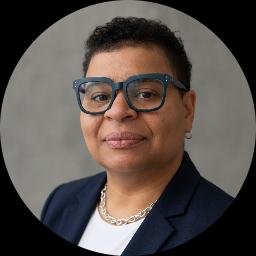
Ohio · 16 yrs exp
Ohio LPCC - Anxiety and LGBTQ support
Stress, Anxiety · LGBT · Grief · Depression · +1 more
Read profile
Ohio · 5 yrs exp
Licensed Independent Social Worker - Anxiety and Codependency
Stress, Anxiety · Trauma and abuse · Self esteem · Depression · +1 more
Read profile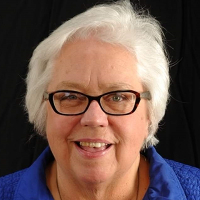
Ohio · 17 yrs exp
Ohio LPCC - Relationships and Codependency
Relationship · Trauma and abuse · Grief · Self esteem · +12 more
Read profile
Ohio · 45 yrs exp
LPCC in Ohio - Trauma and Addiction focus
Stress, Anxiety · Addictions · Trauma and abuse · Grief · +13 more
Read profile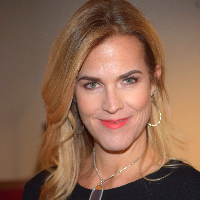
Ohio · 14 yrs exp
LISW focusing on anxiety and life transitions
Stress, Anxiety · Parenting · Self esteem · Depression · +9 more
Read profile
Ohio · 14 yrs exp
Ohio LPCC helping with relationships and anxiety
Stress, Anxiety · Relationship · Trauma and abuse · Parenting · +12 more
Read profile
Ohio · 9 yrs exp
Licensed Professional Clinical Counselor - Stress and Relationships
Stress, Anxiety · Self esteem · Depression · Coping with life changes · +11 more
Read profile
Ohio · 28 yrs exp
LISW Ohio therapist - anxiety and addiction support
Stress, Anxiety · Addictions · Trauma and abuse · Grief · +15 more
Read profile
Ohio · 22 yrs exp
Dr. Uma Subbiah - Psychologist for mood and relationships
Stress, Anxiety · Relationship · Trauma and abuse · Bipolar · +16 more
Read profile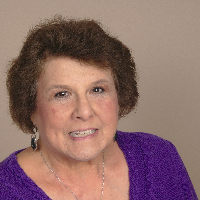
Ohio · 31 yrs exp
Ohio LISW - stress and relationships
Stress, Anxiety · Addictions · LGBT · Trauma and abuse · +12 more
Read profile
Ohio · 35 yrs exp
LISW working with relationships and mood
Stress, Anxiety · Relationship · Grief · Career · +14 more
Read profile
Ohio · 14 yrs exp
LPCC counselor - Anxiety and Addictions
Stress, Anxiety · Addictions · Anger · Depression · +12 more
Read profile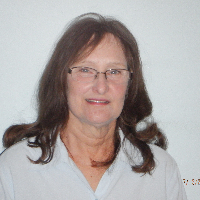
Ohio · 23 yrs exp
LISW in Ohio - addiction and relationships
Stress, Anxiety · Addictions · Relationship · Trauma and abuse · +12 more
Read profile
Ohio · 18 yrs exp
Licensed Clinical Social Worker - Mental health and addiction
Stress, Anxiety · Addictions · Anger · Bipolar · +13 more
Read profile
Ohio · 28 yrs exp
LPCC counselor - addiction and mood concerns
Stress, Anxiety · Addictions · Parenting · Self esteem · +9 more
Read profile
Ohio · 10 yrs exp
Licensed Professional Clinical Counselor - Addiction and Trauma
Stress, Anxiety · Addictions · LGBT · Trauma and abuse · +12 more
Read profile
Ohio · 6 yrs exp
LPCC - Anxiety and Codependency focus
Stress, Anxiety · Self esteem · Depression · Coping with life changes · +14 more
Read profile
Ohio · 15 yrs exp
LISW in Ohio - Addictions and Mood Concerns
Stress, Anxiety · Addictions · LGBT · Self esteem · +5 more
Read profile
Ohio · 17 yrs exp
Licensed Independent Social Worker - Codependency and Trauma
Stress, Anxiety · Grief · Anger · Depression · +13 more
Read profile
Ohio · 22 yrs exp
LMFT - Relationship and Family concerns
Stress, Anxiety · Relationship · Family · Parenting · +15 more
Read profile
Ohio · 17 yrs exp
LPCC in Ohio - Addictions and Anxiety
Stress, Anxiety · Addictions · Depression · Relationship · +12 more
Read profile
Ohio · 9 yrs exp
Licensed social worker - relationships and mood
Stress, Anxiety · Relationship · Trauma and abuse · Eating · +10 more
Read profile
Ohio · 16 yrs exp
Ohio LIMFT - Relationships and Addictions
Stress, Anxiety · Addictions · Relationship · Family · +10 more
Read profile
Ohio · 25 yrs exp
Ohio LPCC - Relationships and Addictions
Stress, Anxiety · Relationship · Family · Trauma and abuse · +2 more
Read profile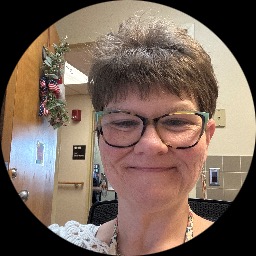
Ohio · 18 yrs exp
LISW - Stress and Relationship Concerns
Stress, Anxiety · Trauma and abuse · Depression · Coping with life changes · +10 more
Read profile
Ohio · 31 yrs exp
LISW in Ohio - Codependency and relationships
Stress, Anxiety · Family · Trauma and abuse · Grief · +16 more
Read profile
Ohio · 18 yrs exp
LPCC in Ohio - Codependency and Anxiety support
Stress, Anxiety · Addictions · Self esteem · Depression · +10 more
Read profile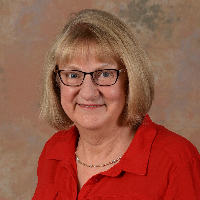
Ohio · 18 yrs exp
LISW in Ohio - relationships and codependency
Stress, Anxiety · Relationship · Grief · Anger · +9 more
Read profile
Ohio · 15 yrs exp
LPCC in Ohio - Codependency and Relationships
Stress, Anxiety · Addictions · Relationship · Grief · +11 more
Read profile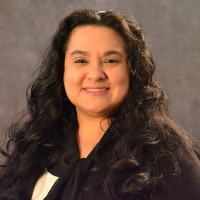
Ohio · 11 yrs exp
LISW in Ohio - Stress and Relationship Concerns
Stress, Anxiety · Grief · Self esteem · Depression · +10 more
Read profile
Ohio · 13 yrs exp
Ohio LPCC - Relationships and Trauma
Stress, Anxiety · Relationship · Family · Trauma and abuse · +12 more
Read profile
Ohio · 10 yrs exp
Licensed social worker - anxiety and grief
Stress, Anxiety · Grief · Self esteem · Depression · +8 more
Read profile
Ohio · 28 yrs exp
LPCC in Ohio - Stress and Relationships
Stress, Anxiety · Addictions · Relationship · Grief · +10 more
Read profile
Ohio · 15 yrs exp
Ohio LPCC - Relationships and Anxiety
Stress, Anxiety · Relationship · Family · Parenting · +9 more
Read profile
Ohio · 14 yrs exp
Ohio LISW - anxiety and addiction support
Stress, Anxiety · Addictions · Trauma and abuse · Depression · +12 more
Read profile
Ohio · 15 yrs exp
LCSW in Ohio - Codependency and Addiction focus
Stress, Anxiety · Addictions · Grief · Self esteem · +13 more
Read profile
Ohio · 18 yrs exp
LPCC in Ohio - Addictions and Life Changes
Addictions · Self esteem · Depression · Coping with life changes · +4 more
Read profileIf you find yourself putting other people first at the expense of your own needs, you are not alone in facing a recurring pattern. People-pleasing can show up as difficulty saying no, losing track of what you want in relationships, or organizing your life around someone else’s moods, drinking or crises. Codependency is best understood as a pattern of behavior and relating rather than a diagnostic label. When you look at profiles, think in terms of the difficulties you want to change - more boundaries, clearer self-worth, less responsibility for another person’s feelings - and look for descriptions that reference those concerns.
In conversations with a prospective therapist, it can help to describe concrete examples of what you want to change, such as repeated requests you find impossible to refuse or ways your responsibilities have expanded because of another person’s needs. Therapists who list codependency or people-pleasing among their focus areas may frame their work differently - some emphasize skills like boundary-setting, others explore patterns that developed in earlier relationships. Remember that therapy does not promise to fix a relationship; it is a setting to explore choices you can make and boundaries you can test. If you are currently in immediate danger or fear for your safety, contact local emergency services - for example 911 in the U.S. - or a domestic-abuse helpline in your country right away.
Profiles grouped under the listed location Ohio are intended to help you find professionals who note Ohio among their locations. A listed location does not by itself prove an in-person office, physical proximity, or that a professional is authorized to practice in every jurisdiction. Always check the individual profile for details and confirm the professional's permission to work with you in the place where you live. This is especially important if you plan to receive care across state or national lines.
Credentials on profiles often combine academic degrees and professional permissions. Degrees you may see include PhD, PsyD, MD, MA and MSW, which indicate academic achievement but do not on their own prove current permission to practice. In the United States, many clinicians hold state licenses with abbreviations such as LCSW, LPC, LMFT or psychologist license numbers; in the United Kingdom professionals may list registration or membership in national bodies; in Australia you may see registration or membership with relevant national boards or associations. Because terminology varies by country, ask the clinician to explain what their listed degree, registration or license means for practice where you live.
When you contact a clinician, aim for specific, focused questions that clarify how they work with the issues you bring. Rather than asking broad questions about their style, describe an example of your pattern and ask how they typically approach similar situations. For instance, you might ask whether they have experience helping people who struggle with chronic people-pleasing or who feel responsible for a partner’s substance use. Ask which approaches they often use and frame them as possibilities to discuss - for example, you can say you’re curious about therapists who list cognitive-behavioral, psychodynamic, family-systems or emotion-focused approaches among their tools and ask how those ideas would be applied to your concerns.
It is also practical to ask about scope of practice: whether they work with individuals only, or also with couples and families, and whether the profile reflects work with adults rather than adolescents or children. A listed topic does not automatically mean a clinician treats couples, families or younger clients, so confirm directly. Ask for examples of common early-session goals and how progress is discussed, and ask how they typically balance skills practice versus exploring underlying patterns. These kinds of concrete questions help you compare style and fit between profiles.
If you are considering remote sessions, clarify jurisdictional and safety issues before you begin. Therapists may list a location such as Ohio but cannot always offer services across state lines or internationally. Ask whether they have permission to provide care to people in your state or country and what that permission entails. Discuss practical matters like the technology platform you will use, how sessions are scheduled and how to handle interruptions. You should also ask about privacy and recordkeeping practices so you understand how your information is handled, and whether they have a plan for addressing urgent situations when you are not together - for example, what steps they follow if you report being at immediate risk.
Before remote work begins, agree on a local emergency contact or crisis resource you can use if needed and ask how the clinician coordinates with local services if an urgent referral is necessary. If you have concerns about family violence or a controlling household environment, identify local domestic-abuse resources and a safe way to communicate so that discussions about your situation do not increase danger. These practical conversations do not need to be long, but they are essential to set expectations and ensure you both understand the limits and responsibilities involved in remote care.
Comparing profiles is most useful when you match what a clinician describes to the changes you want to make. Look for profiles that explicitly mention people-pleasing, boundary work or relational patterns similar to yours, and note whether clinicians list experience with related concerns such as trauma, addiction, or family systems if those are also relevant. Pay attention to language skills if you prefer care in a language other than English. Profiles often list the languages a clinician uses, which can be an important practical and cultural fit when discussing sensitive material.
Consider credentials and how they relate to your needs. A listed degree such as PhD or MSW communicates academic background, while a state license or national registration indicates permission to practice in a given jurisdiction. Ask clinicians to clarify which of their credentials allow them to work where you live and what kinds of services they provide under those permissions. Think also about therapeutic style: some clinicians describe themselves as more conversational and exploratory, others as skills-focused and action-oriented. If you respond better to a collaborative, homework-oriented approach or to a reflective, insight-driven process, ask for examples of what early sessions look like so you can compare how different profiles describe their method.
Finally, remember that a listing of codependency or people-pleasing on a profile is a starting point for conversation, not a guarantee of a particular outcome. Use profiles to narrow options and prepare the concrete questions you will bring to an initial conversation. Discuss your needs, ask about scope and jurisdiction, and confirm that the clinician is willing to work on the specific relational patterns you want to address. That focused approach will help you choose a professional whose profile aligns with your priorities and with the practical constraints of where you live and how you plan to receive care.
Addictions
3514 therapists
Anger
3758 therapists
Control Issues
3696 therapists
Depression
5281 therapists
Domestic Violence
2636 therapists
Grief
4264 therapists
Guilt and Shame
4937 therapists
Isolation / Loneliness
4503 therapists
Mood Disorders
3681 therapists
Narcissism
1760 therapists
Panic Disorder and Panic Attacks
3429 therapists
Personality Disorders
1983 therapists
Post-Traumatic Stress
4113 therapists
Self Esteem
5187 therapists
Social Anxiety and Phobia
4253 therapists
Stress & Anxiety
5739 therapists
Trauma and Abuse
4787 therapists
Abandonment
3745 therapists
Attachment Issues
3924 therapists
Caregiver Issues and Stress
3369 therapists
Commitment Issues
3221 therapists
Communication Problems
4974 therapists
Compassion Fatigue
3039 therapists
Coping with Life Changes
4819 therapists
Divorce
3758 therapists
Family
4253 therapists
Family of Origin Issues
2932 therapists
Forgiveness
4352 therapists
Infidelity
2779 therapists
Jealousy
2818 therapists
Life Purpose
4715 therapists
Parenting
3372 therapists
Relationship
4972 therapists
Self-Love
4745 therapists
Workplace Issues
3772 therapists