
Mary Jennifer Meister
LCSWIllinois · 17 yrs exp
Illinois LCSW - Trauma and Relationships
Trauma and abuse · Coping with life changes · Stress, Anxiety · Relationship · +9 more
Read profileTherapist listings are provided by BetterHelp. We will earn a commission at no additional cost to you if you use our links to purchase.
Browse profiles in the Illinois listed location to compare therapists who list codependency and people-pleasing. Review each profile's focus areas, credentials, languages and approaches, and check the individual profile to confirm the therapist can work with you where you live.
Illinois · 17 yrs exp
Illinois LCSW - Trauma and Relationships
Trauma and abuse · Coping with life changes · Stress, Anxiety · Relationship · +9 more
Read profile
Illinois · 10 yrs exp
Licensed counselor - relationships and codependency
Stress, Anxiety · LGBT · Relationship · Trauma and abuse · +10 more
Read profile
Illinois · 38 yrs exp
LCPC in Illinois - Codependency and Anxiety
Stress, Anxiety · Self esteem · Depression · Coping with life changes · +9 more
Read profile
Illinois · 5 yrs exp
Illinois psychologist for codependency and relationships
Stress, Anxiety · Relationship · Trauma and abuse · Depression · +12 more
Read profile
Illinois · 26 yrs exp
LCPC - Stress and relationship challenges
Stress, Anxiety · Addictions · Anger · Self esteem · +13 more
Read profile
Illinois · 18 yrs exp
LCPC focusing on relationships and addiction
Stress, Anxiety · Addictions · Trauma and abuse · Anger · +12 more
Read profile
Illinois · 40 yrs exp
LCSW - Codependency and relationship patterns
Stress, Anxiety · Family · Parenting · Self esteem · +9 more
Read profile
Illinois · 31 yrs exp
LCPC in Illinois - Relationships and Mood
Stress, Anxiety · Relationship · Grief · Parenting · +7 more
Read profile
Illinois · 13 yrs exp
LCPC - Anxiety and Addictions focus
Stress, Anxiety · Self esteem · Coping with life changes · Addictions · +10 more
Read profile
Illinois · 23 yrs exp
Licensed counselor - Mood and relationships
Stress, Anxiety · Trauma and abuse · Anger · Bipolar · +11 more
Read profile
Illinois · 15 yrs exp
Illinois LCPC - Relationships and Codependency
Stress, Anxiety · Relationship · Trauma and abuse · Depression · +11 more
Read profile
Illinois · 22 yrs exp
Licensed counselor - Relationships and codependency
Stress, Anxiety · Relationship · Family · Intimacy-related issues · +11 more
Read profile
Illinois · 7 yrs exp
Illinois LCPC - Anxiety and Trauma
Stress, Anxiety · Trauma and abuse · Anger · Self esteem · +1 more
Read profile
Illinois · 27 yrs exp
LCSW - Relationships and Codependency concerns
Stress, Anxiety · LGBT · Parenting · Anger · +15 more
Read profile
Illinois · 15 yrs exp
LCSW - Codependency and relationship concerns
Stress, Anxiety · Trauma and abuse · Anger · Depression · +9 more
Read profile
Illinois · 23 yrs exp
LCP in Illinois - Stress and Relationships
Stress, Anxiety · Addictions · Relationship · Self esteem · +1 more
Read profile
Illinois · 9 yrs exp
Illinois LCPC - Relationships and Anxiety
Stress, Anxiety · Relationship · Trauma and abuse · Self esteem · +6 more
Read profile
Illinois · 7 yrs exp
Illinois LCPC - Codependency and Relationships
Stress, Anxiety · Addictions · Trauma and abuse · Depression · +16 more
Read profile
Illinois · 15 yrs exp
LCSW - Stress and relationship struggles
Stress, Anxiety · Addictions · Trauma and abuse · Self esteem · +1 more
Read profile
Illinois · 28 yrs exp
Illinois LCPC - Stress and Trauma
Stress, Anxiety · Trauma and abuse · Self esteem · Coping with life changes · +1 more
Read profile
Illinois · 19 yrs exp
Illinois Psychologist - Relationships and Stress
Stress, Anxiety · Relationship · Intimacy-related issues · Parenting · +1 more
Read profile
Illinois · 12 yrs exp
Illinois LCSW focused on addictions and relationships
Addictions · Relationship · Family · Self esteem · +1 more
Read profile
Illinois · 6 yrs exp
Licensed Clinical Social Worker - Stress and Anxiety
Stress, Anxiety · Self esteem · Depression · Coping with life changes · +1 more
Read profile
Illinois · 12 yrs exp
Illinois LCPC - Stress and Addictions
Stress, Anxiety · Addictions · Trauma and abuse · Eating · +1 more
Read profile
Illinois · 5 yrs exp
Illinois LCPC - Stress and relationships
Stress, Anxiety · Trauma and abuse · Self esteem · Coping with life changes · +11 more
Read profile
Illinois · 12 yrs exp
LCPC in Illinois - Family and Trauma
Family · Trauma and abuse · Self esteem · Career · +1 more
Read profile
Illinois · 10 yrs exp
LCSW - Relationships and Codependency
Stress, Anxiety · Relationship · Family · Trauma and abuse · +1 more
Read profile
Illinois · 6 yrs exp
LCSW - Stress and Relationship Concerns
Stress, Anxiety · Self esteem · LGBT · Relationship · +5 more
Read profile
Illinois · 6 yrs exp
LCPC in Illinois - Anxiety and Relationships
Stress, Anxiety · Relationship · Grief · Self esteem · +1 more
Read profile
Illinois · 12 yrs exp
Licensed Clinical Social Worker - Stress and Trauma
Stress, Anxiety · Trauma and abuse · Grief · Self esteem · +1 more
Read profile
Illinois · 7 yrs exp
Illinois LCPC - Relationships and Codependency
Stress, Anxiety · Relationship · Trauma and abuse · Self esteem · +1 more
Read profile
Illinois · 15 yrs exp
LCSW - Relationships and Codependency support
Stress, Anxiety · Relationship · Self esteem · Coping with life changes · +15 more
Read profile
Illinois · 15 yrs exp
Licensed counselor - codependency and anxiety
Stress, Anxiety · Anger · Self esteem · Depression · +13 more
Read profile
Illinois · 14 yrs exp
Licensed counselor - relationships and careers
Stress, Anxiety · Self esteem · Career · Depression · +7 more
Read profile
Illinois · 17 yrs exp
Licensed counselor - relationships and sleep
Stress, Anxiety · Relationship · Sleeping · Coping with life changes · +7 more
Read profile
Illinois · 13 yrs exp
Licensed counselor - stress and relationships
Stress, Anxiety · Grief · Anger · Depression · +13 more
Read profile
Illinois · 17 yrs exp
LCPC helping adults with relationships and codependency
Stress, Anxiety · Relationship · Trauma and abuse · Self esteem · +7 more
Read profile
Illinois · 13 yrs exp
Licensed Clinical Social Worker - relationships and grief
Relationship · Grief · Self esteem · Career · +11 more
Read profile
Illinois · 22 yrs exp
LCSW - Anxiety and Codependency support
Stress, Anxiety · Family · Trauma and abuse · Self esteem · +12 more
Read profile
Illinois · 17 yrs exp
Licensed Clinical Social Worker - trauma and relationships
Stress, Anxiety · Family · Trauma and abuse · Parenting · +11 more
Read profile
Illinois · 10 yrs exp
Illinois LCPC - Anxiety and Relationships
Stress, Anxiety · Addictions · Self esteem · Coping with life changes · +12 more
Read profile
Illinois · 6 yrs exp
Licensed counselor - Codependency and mood concerns
Stress, Anxiety · Self esteem · Depression · Coping with life changes · +11 more
Read profile
Illinois · 14 yrs exp
Licensed counselor - relationships and trauma
Family · Trauma and abuse · Grief · Parenting · +14 more
Read profile
Illinois · 30 yrs exp
LCPC - addictions and relationship concerns
Addictions · Relationship · Parenting · Anger · +12 more
Read profile
Illinois · 14 yrs exp
Licensed counselor - relationships and anxiety
Stress, Anxiety · Relationship · Trauma and abuse · Self esteem · +13 more
Read profile
Illinois · 40 yrs exp
LCSW - Anxiety and Addictions focus
Stress, Anxiety · Addictions · Family · Grief · +10 more
Read profile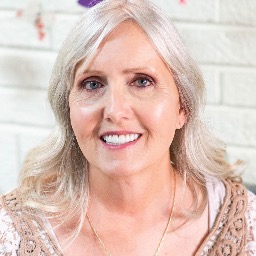
Illinois · 3 yrs exp
Licensed counselor - addiction and relationships
Stress, Anxiety · Addictions · Relationship · Eating · +12 more
Read profile
Illinois · 7 yrs exp
LCSW - Anxiety and Relationship Support
Stress, Anxiety · Relationship · Trauma and abuse · Self esteem · +1 more
Read profile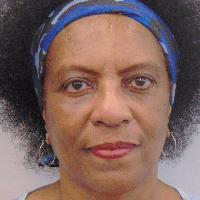
Illinois · 11 yrs exp
Illinois LCPC - Codependency and Relationships
Stress, Anxiety · Addictions · Anger · Self esteem · +10 more
Read profile
Illinois · 10 yrs exp
Licensed Clinical Professional Counselor - Anxiety and Relationships
Stress, Anxiety · Self esteem · Depression · Coping with life changes · +8 more
Read profile
Illinois · 22 yrs exp
Illinois LCPC - Anxiety and Relationships
Stress, Anxiety · Relationship · Grief · Self esteem · +11 more
Read profile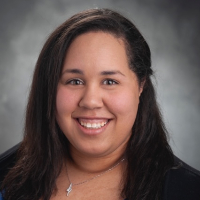
Illinois · 3 yrs exp
LCSW - Anxiety and Relationship Concerns
Stress, Anxiety · Self esteem · Career · Depression · +12 more
Read profile
Illinois · 20 yrs exp
Illinois LCPC - Relationships and Addictions
Stress, Anxiety · Addictions · Relationship · Trauma and abuse · +9 more
Read profile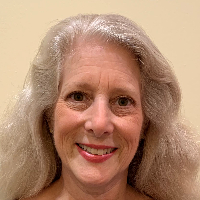
Illinois · 10 yrs exp
LCSW - Stress and Relationship Concerns
Stress, Anxiety · Family · Grief · Depression · +11 more
Read profile
Illinois · 20 yrs exp
LCSW - Relationships and Trauma
Stress, Anxiety · Relationship · Trauma and abuse · Self esteem · +8 more
Read profile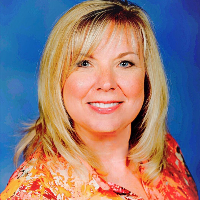
Illinois · 30 yrs exp
LPC and LPCC - Relationships and Addiction Support
Stress, Anxiety · Relationship · Grief · Self esteem · +14 more
Read profile
Illinois · 46 yrs exp
Illinois LCSW - Relationships and Life Changes
Stress, Anxiety · Relationship · Grief · Coping with life changes · +10 more
Read profile
Illinois · 40 yrs exp
Licensed Clinical Social Worker - Relationships and Life Changes
Self esteem · Career · Coping with life changes · Coaching · +5 more
Read profile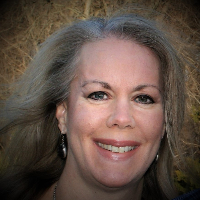
Illinois · 27 yrs exp
LCSW - Relationships and Life Changes
Relationship · Grief · Career · Depression · +10 more
Read profile
Illinois · 11 yrs exp
Licensed counselor - Mood and relationships
Stress, Anxiety · Relationship · Family · Parenting · +7 more
Read profileIf you spend a lot of energy putting other people first, you are not alone in facing the exhaustion and tension that can follow. People-pleasing and codependent patterns often show up as difficulty saying no, altering your plans to reduce another person’s distress, or feeling responsible for someone else’s moods and decisions. You may find yourself losing sight of your own wants and needs, or tolerating behaviour that undermines your wellbeing. When you look at profiles in this Illinois listed location, focus on descriptions that mention listening for patterns, boundary work or rebuilding a sense of self. Those phrases suggest a therapist frames these issues as relational habits you can explore and change over time, rather than as labels that define you. Keep in mind a therapist’s stated focus is an invitation to ask questions about how they work, and how they could help you develop clearer boundaries, greater self-respect and practical ways to respond differently when others demand more than you can give.
The Illinois listed location groups profiles by where a practitioner notes they can work with people, but this does not automatically prove an active office or a current permission to practice in Illinois. You should check each individual profile for details and confirm directly with the professional that they are allowed to work with you where you live. The directory includes professionals from the United States, the United Kingdom and Australia, so their credentials will be described differently. In the United States look for state licensing such as Licensed Clinical Social Worker, Licensed Professional Counselor or Licensed Psychologist. In the United Kingdom you may see registration or membership with professional bodies rather than a "license." In Australia practitioners may list registration with national boards or memberships in professional associations. Academic degrees like PhD, PsyD, MD, MA or MSW indicate completed study, but a degree alone does not establish current permission to provide therapy. When reading profiles, notice both the academic credentials and the licensing, registration or membership statements, and ask about any geographic limits to where the practitioner can legally work with you, especially if you are seeking online sessions from another state or country.
As you compare profiles, prepare concrete questions that match your particular concerns. Ask whether the therapist works with adults experiencing chronic people-pleasing, or with partners who are organized around someone else’s substance use or crises. Ask how they describe the process of setting and holding boundaries with others, and what practical tools they might teach for saying no in ways that feel authentic. When therapists list approaches, treat those entries as topics to discuss rather than proof of certification. For example, you can say I see you list somatic approaches or you list EMDR among your approaches - can you explain how you might apply that approach to patterns of codependency? Ask about typical session topics, how they measure progress, and whether they focus on emotions, skills or patterns in relationships. Also ask whether their experience includes working with cultural, racial or gender issues that affect how you relate to others, and whether they have experience addressing controlling or volatile relationships. These specifics will help you compare not just credentials but how a therapist frames the work and whether that framing matches the changes you want to make.
If you plan to meet by phone or video, raise practical and safety topics before committing to a first session. Confirm the therapist’s permission to provide services to people in Illinois, as well as any limits if you move between states or countries. Ask about their privacy practices and how they handle your information electronically, and what platform they use so you can decide whether your technology and internet access will work. Discuss how they handle emergencies and what local resources they expect you to use if you are in crisis - if you are in immediate danger call emergency services (for example 911 in the United States, 999 in the United Kingdom or 000 in Australia) or contact your local domestic-abuse helpline. Clarify what happens if a session ends unexpectedly, and whether they will provide a safety plan or referral information if higher levels of help are needed. Also ask how they manage boundaries around scheduling and contact outside sessions, because having transparent expectations can reduce the extra emotional labour that people-pleasers often take on when trying to maintain relationships while protecting their own limits.
When you compare profiles in the Illinois listed location, consider several practical criteria together rather than relying on a single item. Focus areas tell you what issues a therapist commonly mentions, such as family roles, emotional enmeshment or relationship conflict. Approaches listed on a profile - whether they name a relational model, a skills-based framework, somatic options or trauma-focused approaches - are starting points for discussion rather than guarantees that every session will use that technique. Pay attention to language offerings if you prefer therapy in a language other than English, and check whether a profile notes cultural competence relevant to your background. Look at academic degrees separately from licensing or registration statements; a PhD or MSW shows formal training, while a license or registration indicates legal permission to practice in particular places. Finally, style matters: read profile summaries for clues about whether a therapist emphasizes practical skills, reflective exploration or a mix of both. Picture the tone you respond to - direct and structured, warm and exploratory, or pragmatic and goal-oriented - and ask each therapist how they describe their style in practice. That comparison will help you choose a few profiles to contact and discuss your needs, scope of practice and whether they can work with you where you live.
Choosing a therapist is a personal process. Use the Illinois listed location to gather detailed information, ask the specific questions that matter to you, and confirm any geographic or registration limits on services before beginning. If you are unsafe or at immediate risk, prioritise contacting emergency services or your local domestic-abuse helpline for immediate assistance rather than waiting for an appointment.
Addictions
3514 therapists
Anger
3758 therapists
Control Issues
3696 therapists
Depression
5281 therapists
Domestic Violence
2636 therapists
Grief
4264 therapists
Guilt and Shame
4937 therapists
Isolation / Loneliness
4503 therapists
Mood Disorders
3681 therapists
Narcissism
1760 therapists
Panic Disorder and Panic Attacks
3429 therapists
Personality Disorders
1983 therapists
Post-Traumatic Stress
4113 therapists
Self Esteem
5187 therapists
Social Anxiety and Phobia
4253 therapists
Stress & Anxiety
5739 therapists
Trauma and Abuse
4787 therapists
Abandonment
3745 therapists
Attachment Issues
3924 therapists
Caregiver Issues and Stress
3369 therapists
Commitment Issues
3221 therapists
Communication Problems
4974 therapists
Compassion Fatigue
3039 therapists
Coping with Life Changes
4819 therapists
Divorce
3758 therapists
Family
4253 therapists
Family of Origin Issues
2932 therapists
Forgiveness
4352 therapists
Infidelity
2779 therapists
Jealousy
2818 therapists
Life Purpose
4715 therapists
Parenting
3372 therapists
Relationship
4972 therapists
Self-Love
4745 therapists
Workplace Issues
3772 therapists