
Pamala Topp
LPCSouth Dakota · 9 yrs exp
Licensed Professional Counselor - Stress and Relationships
Stress, Anxiety · Trauma and abuse · Anger · Depression · +2 more
Read profileTherapist listings are provided by BetterHelp. We will earn a commission at no additional cost to you if you use our links to purchase.
Browse profiles listed in South Dakota to compare focus areas, therapy approaches, languages and professional credentials. Use the details in each profile to decide which professionals you want to learn more about and reach out directly.
South Dakota · 9 yrs exp
Licensed Professional Counselor - Stress and Relationships
Stress, Anxiety · Trauma and abuse · Anger · Depression · +2 more
Read profile
South Dakota · 14 yrs exp
LPC focused on codependency and relationships
Stress, Anxiety · Intimacy-related issues · Self esteem · Depression · +8 more
Read profile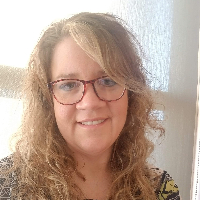
South Dakota · 12 yrs exp
Licensed Clinical Social Worker - Anxiety and Relationships
Stress, Anxiety · Relationship · Grief · Parenting · +11 more
Read profile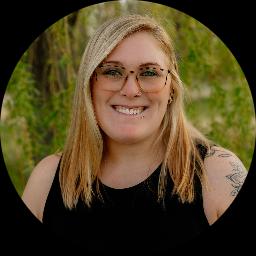
South Dakota · 9 yrs exp
LPC mental health counselor - stress and relationships
Stress, Anxiety · Addictions · Trauma and abuse · Self esteem · +11 more
Read profile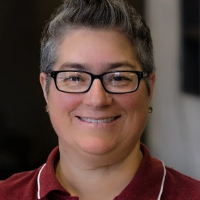
South Dakota · 3 yrs exp
Licensed Professional Counselor - relationships and codependency
LGBT · Relationship · Trauma and abuse · Intimacy-related issues · +15 more
Read profile
South Dakota · 30 yrs exp
LPC-MH focused on anxiety and grief
Stress, Anxiety · Grief · Depression · Coping with life changes · +1 more
Read profile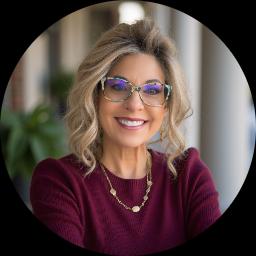
South Dakota · 17 yrs exp
Dr Paula Ehrmantraut - LCPC, LPC, LPC-MH; stress and relationships
Stress, Anxiety · Addictions · LGBT · Relationship · +1 more
Read profile
South Dakota · 25 yrs exp
LPC - Relationships and Trauma
Relationship · Trauma and abuse · Intimacy-related issues · Depression · +11 more
Read profile
South Dakota · 23 yrs exp
Licensed counselor - relationships and codependency
Stress, Anxiety · Grief · Self esteem · Depression · +9 more
Read profile
South Dakota · 26 yrs exp
Licensed counselor - relationships and anxiety
Stress, Anxiety · Relationship · Grief · Parenting · +15 more
Read profile
South Dakota · 25 yrs exp
LPC in South Dakota - Stress and Relationship Concerns
Stress, Anxiety · Self esteem · Career · Coping with life changes · +10 more
Read profile
South Dakota · 6 yrs exp
Licensed counselor - relationships and anxiety
Stress, Anxiety · Relationship · Parenting · Self esteem · +1 more
Read profileIf you find yourself saying yes to demands that leave you drained, adjusting your life around someone else’s moods, or repeatedly stepping into roles that keep you caring for others at your own expense, it can feel isolating and overwhelming. You are not a diagnosis; codependency is a pattern of relating that often centers on people-pleasing, difficulty saying no, and diminished boundaries. In therapy you can explore how those patterns developed, how they show up now, and which small changes could help you reclaim a sense of agency.
When you review profiles, look for language that speaks to the specific situations you face - for example, supporting someone who drinks heavily, recovering from a relationship where you felt responsible for another person’s behaviour, or learning to state needs without guilt. You may want practical skills to set limits, or you may prefer slower work that examines family roles and identity over time. Neither approach is inherently right or wrong; the useful question is which fits you and the issue you want to address.
If you feel unsafe at home or are in immediate danger, contact your local emergency services right away. If you are experiencing domestic abuse, reach out to national or local domestic-abuse helplines for specialised support and referrals. Profiles on this site are a starting point for connection and do not replace immediate safety planning when you are at risk.
Seeing a profile grouped under the listed location South Dakota means the professional chose to be associated with that location for this directory. It does not guarantee an office address in the state, that the professional currently conducts in-person sessions there, or that they hold current permission to practise with people residing in South Dakota. Always open the individual profile to read how a professional describes their practice and to confirm their stated service areas.
The directory includes professionals from the United States, the United Kingdom and Australia. If you live in the United States, ask explicitly about US licensing and whether the professional is legally permitted to work with residents of your state. If a profile indicates a UK registration or an Australian registration or membership, those are not the same as US licensing and do not automatically establish permission to work with clients in South Dakota. Degrees such as PhD, PsyD, MD, MA or MSW describe academic achievement; they do not by themselves demonstrate current permission to practise where you live. Check each profile for how the clinician describes their credentials and follow up to confirm the regulatory status that matters for your jurisdiction.
When you contact someone whose profile appeals to you, having specific questions ready will help you learn whether their way of working matches what you need. You might ask how they typically work with people who prioritise others’ needs, and request examples of what early sessions address. Ask whether they have worked with people whose relationships were affected by a partner’s drinking or chronic crisis management, and how they think about rebuilding boundaries after years of caretaking. Be clear about your priorities - whether you want skills to say no, help exploring family patterns, or support while you plan for safety - and ask if that is within the clinician's stated scope.
If a profile lists particular approaches, such as cognitive-behavioural techniques, narrative work, mindfulness-based practices, psychodynamic perspectives, or therapies that appear under other names, phrase questions around how those approaches are used. For example, you might ask, "How do you use cognitive-behavioural tools when addressing people-pleasing?" or "You list EMDR among your approaches - how might that be relevant for someone dealing with repeated boundary violations?" Using this language keeps the focus on how approaches are applied rather than assuming specific training or certification.
Also ask about the populations the clinician commonly works with. A focus on codependency listed on a profile does not automatically mean they work with children, couples, or entire families. If you have specific relational needs, ask whether they generally work with individuals in similar situations and how they collaborate with other professionals if necessary.
If you are considering remote sessions, there are several practical and legal items to clarify before beginning. Ask whether the professional has permission to provide services to someone located in South Dakota at the time of your contact. Different jurisdictions have different rules about where a clinician and a client each must be located for a remote session to be permitted, and some profiles may belong to clinicians who practise under different national systems.
Discuss how the clinician manages urgent situations during an online session. You can ask what steps they take if you need immediate help, whether they request a local emergency contact, and what local resources they recommend for crisis situations or domestic-abuse support. Be sure you know how to reach local emergency services yourself if a situation escalates. Clarifying technical arrangements is also practical: confirm which video platform will be used, what to do if a connection fails, and how appointments are scheduled and cancelled. These logistical points reduce uncertainty so you can focus on the therapeutic work.
Profiles are shorthand that help you compare how clinicians describe their work. Read each profile with a few comparison questions in mind: Which focus areas does the professional list - do they name codependency, people-pleasing, relationship patterns, or related concerns? Which approaches do they mention, and do those descriptions match your preference for practical skills or reflective exploration? What languages does the clinician report speaking, and is cultural background or identity discussed in a way that feels relevant to you?
Look closely at the credentials section. A profile that lists a degree such as an MSW, PhD or PsyD is telling you about the clinician’s education. If licensure, registration or membership is important to you, check whether the profile mentions the specific licence or registration type and the jurisdiction it covers. For US practitioners, ask about state licensure. For UK and Australian practitioners, look for registration or membership details and ask how those relate to serving clients in South Dakota. Remember that a degree is not the same as current permission to practise where you live.
Style matters as much as technical descriptors. Some profiles convey a direct, skills-focused style while others describe a gentle, exploratory stance. Consider questions such as: Do you want a clinician who gives practical exercises and homework, or one who helps you trace relational patterns over time? Do you prefer structured sessions with goals, or an open-ended approach that follows your narrative? Identifying your preference will make it easier to notice which profiles feel like a good match.
Finally, use profiles as a starting point rather than a final decision. Reach out to ask the concrete questions above, confirm the clinician can work with someone located in South Dakota, and discuss scope of practice for your particular needs. Reviewing profiles with these comparison points in mind can help you take the next step toward finding support that meets your priorities and circumstances.
When you find profiles that speak to you, reach out to learn more and to confirm practical and legal details. Use the conversation to clarify how the clinician addresses people-pleasing and boundary work, what to expect in early sessions, and how emergencies are handled. If you are unsafe, prioritise contacting local emergency services or domestic-abuse helplines before proceeding with directory outreach. This site groups profiles by listed location to help your search, but each profile is the best source for the most current details about a clinician’s scope, credentials and service areas.
Addictions
3514 therapists
Anger
3758 therapists
Control Issues
3696 therapists
Depression
5281 therapists
Domestic Violence
2636 therapists
Grief
4264 therapists
Guilt and Shame
4937 therapists
Isolation / Loneliness
4503 therapists
Mood Disorders
3681 therapists
Narcissism
1760 therapists
Panic Disorder and Panic Attacks
3429 therapists
Personality Disorders
1983 therapists
Post-Traumatic Stress
4113 therapists
Self Esteem
5187 therapists
Social Anxiety and Phobia
4253 therapists
Stress & Anxiety
5739 therapists
Trauma and Abuse
4787 therapists
Abandonment
3745 therapists
Attachment Issues
3924 therapists
Caregiver Issues and Stress
3369 therapists
Commitment Issues
3221 therapists
Communication Problems
4974 therapists
Compassion Fatigue
3039 therapists
Coping with Life Changes
4819 therapists
Divorce
3758 therapists
Family
4253 therapists
Family of Origin Issues
2932 therapists
Forgiveness
4352 therapists
Infidelity
2779 therapists
Jealousy
2818 therapists
Life Purpose
4715 therapists
Parenting
3372 therapists
Relationship
4972 therapists
Self-Love
4745 therapists
Workplace Issues
3772 therapists