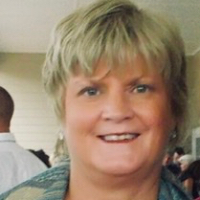
Therapist profile
Cathy Foster, LPC
Mississippi
Licensed Professional Counselor - Stress and Relationships
Continue with CathyWhere Cathy stands
- Credentials
- LPC
- License
- LPC, Mississippi / 1341
- NPI
- 1629413992
- Experience
- 14 years
- Languages
- English
- Location
- Mississippi
About
- CBT methods
- DBT skills
- Mindfulness practice
About Cathy
Cathy Foster is a Licensed Professional Counselor (LPC) in Mississippi with 14 years of counseling experience. She works with adults facing stress, anxiety, addictions, relationship struggles, depression, trauma and abuse, grief, intimacy issues, sleep and eating problems, parenting strain, anger, low self-esteem, bipolar mood concerns, and life transitions. She also focuses on body image, codependency, communication and control issues, and problems around commitment and infidelity.
Her style centers on practical conversation and clear goals. Sessions focus on identifying patterns that keep someone stuck and on learning small, usable skills to change those patterns. Cathy uses a mix of approaches so sessions can shift between talking through thoughts and practicing new behaviors.
She draws on Client-Centered Therapy to follow the person's concerns and priorities. Cognitive Behavioral Therapy (CBT) is used to spot unhelpful thinking and test different responses. Dialectical Behavior Therapy (DBT) skills and mindfulness exercises help with emotional regulation and tolerating distress.
Cathy has worked in mental health settings with children, adolescents, and adults over a longer career. That background informs her work with adults who grew up in difficult family systems or who now find themselves over-responsible for others. She encourages steady, practical steps toward clearer boundaries and healthier patterns.
She invites people who are tired of people-pleasing or who feel controlled by someone else's moods to try straightforward, skill-focused sessions. The goal is clearer thinking, better coping, and more reliable ways to protect one’s own needs while staying connected to others.
How sessions work
How therapeutic approaches translate to online sessions
Client-Centered Therapy focuses on following the person's priorities and listening to what matters most. Online sessions using this approach give time for the client to set goals and steer the conversation so therapy addresses real-life concerns.Cognitive Behavioral Therapy (CBT) looks at thoughts and behaviors that keep problems going. In web or phone sessions CBT often means setting concrete homework, trying small experiments between meetings, and reviewing what changed. Dialectical Behavior Therapy (DBT) adds skills for managing strong emotions and staying steady under stress, which can be practiced in short exercises between sessions.
Deciding which approach to use is a collaborative process. The therapist will talk with the client about their needs, goals, and what feels workable, then suggest methods to try. That plan can be adjusted as the client notices what helps.
The practical upside of online work is that it can fit into busy days and reduce travel time. Confirm the current session formats before booking since the biography does not list them. Many people find online sessions make it easier to attend regular meetings, try skills between sessions, and keep momentum when life is crowded.
Areas of focus
Areas of expertise
Primary focus
Also works with
Additional focus areas
Therapeutic approaches
Experience
14+ years
Listed in
Mississippi
Languages
English
Questions
Frequently asked questions
What kinds of problems does she work with?
Cathy works with stress, anxiety, addictions, relationship and family concerns, depression, trauma and abuse, grief, intimacy struggles, eating and sleeping problems, parenting strain, anger, and issues with self-esteem and life change.
How would she approach people-pleasing or codependency?
She uses practical skill-building and conversation to identify patterns that keep someone giving too much. Sessions focus on setting boundaries, clearer communication, and testing behavior changes.
What is her background and experience?
She has 14 years as a Licensed Professional Counselor and a longer career working across mental health settings with children, adolescents, and adults.
What are her credentials and where does she practice?
She is an LPC (Licensed Professional Counselor) practicing in Mississippi.
Does she offer sessions in other languages or to international clients?
Sessions are offered in English and she does not accept international clients at this time.
What session formats are used?
Please confirm current session options before booking since formats are not specified in the biography.
How does pricing work?
Cost varies by location and sessions use a subscription that can be canceled at any time.
How do I get started with her?
Select the See online therapy options button, complete a short matching questionnaire, and schedule a first session.
Details come from information the therapist supplied to BetterHelp. A license can be checked with the state board.
Online talk therapy is not emergency care. If you are not safe at home, use the crisis and helpline numbers.