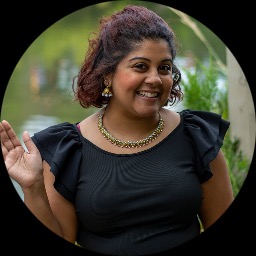
Therapist profile
Afsha Merchant, LCPC
Illinois
Illinois LCPC - Relationships and Codependency
Continue with AfshaWhere Afsha stands
- Credentials
- LCPC
- License
- LCPC, Illinois / 180.018689
- NPI
- 1558936153
- Experience
- 7 years
- Languages
- English, Spanish, Hindi, Urdu
- Location
- Illinois
About
- CBT methods
- DBT skills
- Somatic work
About Afsha
Afsha Merchant is an Illinois Licensed Clinical Professional Counselor (LCPC) with seven years of experience. She works with adults struggling with stress, anxiety, relationship problems, trauma and abuse, low self-esteem, and depression. Afsha also focuses on issues that often sit underneath these concerns, such as codependency, attachment wounds, communication problems, and family of origin pain.
She uses straightforward, evidence-informed methods. Sessions involve talking through patterns, practicing new ways of responding, and trying small behavioral experiments between meetings. Afsha emphasizes cultural awareness and pays attention to how identity, values, and background shape what feels possible for each person.
Her work often addresses how people get stuck in people-pleasing, difficulty saying no, or losing themselves around another person’s needs or moods. She helps clients notice automatic reactions, build clearer boundaries, and develop practical strategies for everyday situations. That can mean role-playing a boundary conversation or planning short experiments to test a different approach.
Therapy combines cognitive and body-focused tools. She draws on Cognitive Behavioral Therapy to track thoughts and behaviors, Dialectical Behavior Therapy for emotion regulation skills, and Somatic Therapy to notice how the body holds stress. The Gottman Method is used when relationship patterns are the focus.
Afsha offers work in English, Spanish, Hindi, and Urdu. She accepts international clients. Before booking, people should confirm current session options and the subscription-based fee structure that can be canceled at any time.
How sessions work
How Afsha adapts CBT, DBT and somatic tools for online work
Afsha commonly uses Cognitive Behavioral Therapy to identify unhelpful thoughts and test small behavior changes. CBT sessions often include tracking patterns, setting simple experiments to try between meetings, and reviewing what happened next. This approach is practical when stress, anxiety, or low mood are the main concerns.She also integrates Dialectical Behavior Therapy skills for managing intense emotions. DBT work focuses on buildable skills like distress tolerance, emotion regulation, and clearer communication. Those skills can be practiced in session and then applied to real-life situations where people usually get pulled into caretaking or people-pleasing patterns.
Somatic work is used to notice bodily responses tied to stress and trauma. That can mean brief grounding practices, tracking where sensations appear, and combining movement or breath with cognitive techniques to reduce reactivity.
Finding the right mix of approaches is part of the process. The therapist and client decide together which methods fit the client’s goals, needs, and preferences. That collaborative planning may shift as new patterns become clear.
Confirm current session options before booking so you know what formats are offered. Online sessions can make it easier to fit meetings into a busy week, shorten check-ins when needed, or avoid travel. The focus is on practical ways to apply skills in everyday life rather than promising a specific outcome.
Areas of focus
Areas of expertise
Primary focus
Additional focus areas
Therapeutic approaches
Experience
7+ years
Listed in
Illinois
Languages
English, Spanish, Hindi, Urdu
Questions
Frequently asked questions
What concerns does she address?
She works with stress, anxiety, relationship problems, trauma and abuse, self-esteem issues, and depression. Additional focus areas include codependency, attachment issues, and communication problems.
What is her therapeutic style?
She uses a collaborative, practical style that mixes talking, skills practice, and behavioral experiments. Sessions aim to identify patterns and try concrete alternatives between meetings.
How much experience does she have?
She has seven years of clinical experience supporting adults through a range of life challenges. That experience informs her use of several evidence-informed approaches.
What are her credentials and where is she based?
She is an Illinois Licensed Clinical Professional Counselor (LCPC) practicing from Illinois. The LCPC credential is listed as provided.
Which languages are available during sessions?
Sessions are offered in English, Spanish, Hindi, and Urdu.
Can international clients work with her?
She accepts international clients. People outside the U.S. should confirm any regional requirements that may apply before booking.
How are sessions billed and what does it cost?
Cost varies with location and sessions are provided through a subscription that can be canceled at any time. People should review pricing details during the sign-up process.
How do I start a first session?
Select the See online therapy options button, complete the short matching questionnaire, and schedule an initial session. That process begins the intake and scheduling steps.
Details come from information the therapist supplied to BetterHelp. A license can be checked with the state board.
Online talk therapy is not emergency care. If you are not safe at home, use the crisis and helpline numbers.