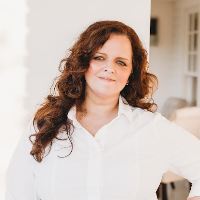
Therapist profile
Amanda Reid, LPC
South Carolina
Licensed Professional Counselor - Anxiety and Addictions
Continue with AmandaWhere Amanda stands
- Credentials
- LPC
- License
- LPC, South Carolina / 8873
- NPI
- 1598238586
- Experience
- 8 years
- Languages
- English
- Location
- South Carolina
About
- CBT practices
- DBT skills
- Motivational Interviewing
About Amanda
Amanda Reid is a Licensed Professional Counselor (LPC) with eight years of experience. She practices in South Carolina and works with people facing stress, anxiety, addictions, trauma and abuse, depression, ADHD, parenting pressures, anger, self-esteem concerns, bipolar disorder, and coping with life changes.
She uses clear, practical methods in sessions. Amanda focuses on building cognitive behavioral skills and strengthening coping strategies. She draws on Client-Centered techniques to listen and respond to what each person brings into the room.
Her background includes work as a substance abuse counselor and roles in a group home and mental health hospital. That experience shaped how she approaches addiction, trauma, and severe mood concerns. Motivational Interviewing and Dialectical Behavior Therapy inform how she helps people find motivation and manage intense emotions.
In conversations she emphasizes grounding techniques, practical coping skills, and ways to reframe unhelpful thoughts. Sessions often include skill practice and planning for real-life situations, not just talking about problems.
Amanda aims to help people take small, steady steps toward more control over daily life. She invites people who struggle with people-pleasing, codependent patterns, or who feel overwhelmed by someone else’s moods to explore clearer boundaries and stronger self-regulation.
How sessions work
How Amanda applies therapeutic approaches online
Amanda uses Client-Centered Therapy to focus on the person’s perspective. That approach emphasizes listening, reflecting what the client says, and helping them find their own solutions. It’s useful when someone needs a steady, validating presence while sorting through strong feelings.She also draws on Cognitive Behavioral Therapy (CBT). CBT breaks problems into thoughts, feelings, and actions and works on practical skills to change unhelpful patterns. This approach is often used for anxiety, depression, and many stress-related issues.
Dialectical Behavior Therapy (DBT) supplies concrete skills for emotion regulation, distress tolerance, and interpersonal effectiveness. Those tools can help someone who gets swept up in intense reactions or struggles to set boundaries.
Finding the right mix of approaches is a collaborative process. Amanda will discuss goals, try different techniques, and adjust methods based on what helps. Clients and therapist decide together which skills to prioritize and how to practice them between sessions.
Session formats are not listed in the supplied biography, so confirm current online options before booking. In general, working with a licensed professional online can make scheduling easier, reduce travel time, and allow shorter check-ins when that fits a busy day. It can also let someone practice coping skills in the places they live and work without committing to long in-person visits.
Areas of focus
Areas of expertise
Primary focus
Also works with
Additional focus areas
Therapeutic approaches
Experience
8+ years
Listed in
South Carolina
Languages
English
Questions
Frequently asked questions
What concerns does Amanda work with?
She works with stress, anxiety, addictions, trauma and abuse, depression, ADHD, parenting issues, anger, self-esteem, bipolar disorder, and coping with life changes.
What is her therapy style like?
She blends Client-Centered listening with practical skills from Cognitive Behavioral Therapy and DBT to help people practice new ways of thinking and coping.
How much experience does she have?
Amanda has eight years of clinical experience, including prior roles as a substance abuse counselor and work in a group home and mental health hospital.
What credential does she hold and where is she located?
She is a Licensed Professional Counselor (LPC) practicing in South Carolina.
Which languages are sessions offered in?
Sessions are offered in English.
Can she work with international clients?
She does not accept international clients at this time.
How are sessions paid for?
Cost varies with location and sessions use a subscription that can be canceled at any time.
What should I do to begin?
Select the See online therapy options button, complete the short matching questionnaire, and schedule a first session.
Details come from information the therapist supplied to BetterHelp. A license can be checked with the state board.
Online talk therapy is not emergency care. If you are not safe at home, use the crisis and helpline numbers.