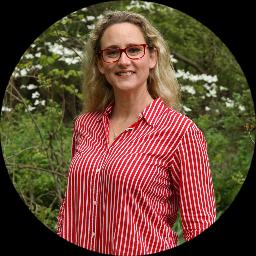
Therapist profile
Cynthia "Cindy" Chizewick, LCSW, LISW
Ohio
LCSW in Ohio - Codependency and Addiction focus
Continue with CynthiaWhere Cynthia stands
- Credentials
- LCSW, LISW
- License
- LISW, Ohio / I.1500616-SUPV; LCSW, Arizona / LCSW-19671
- NPI
- 1346681905
- Experience
- 15 years
- Languages
- English
- Location
- Ohio
About
- Stress and anxiety
- Addiction help
- Values-based work
About Cynthia
Cynthia "Cindy" Chizewick is an LCSW (Licensed Clinical Social Worker) and LISW (Licensed Independent Social Worker) practicing in Ohio with 15 years of experience. She works with adults facing stress, anxiety, addictions, grief, low self-esteem, life changes, relationship strain, trauma and related struggles including codependency and attachment concerns.
Cindy describes common presentations plainly: sleeplessness, feeling stuck after loss of a job or home, relying on alcohol or gambling to cope, or living with ongoing anxiety or depression. She talks with people about how these patterns affect day-to-day life and the question of how to take back a sense of control. Sessions focus on practical steps that can change routines and responses that keep problems going.
Her background blends several clinical approaches. She uses cognitive behavioral techniques to help people notice unhelpful thinking and try different actions. Mindfulness practices are offered to improve moment-to-moment awareness. She also uses Acceptance and Commitment Therapy ideas to clarify personal values and set small behavior-based goals.
Cindy includes EMDR and motivational interviewing among the tools she may draw on when those methods fit a person’s needs, and she has experience working with addiction-related issues and first responder or veteran concerns. The emphasis is on collaborative problem solving rather than labels or quick fixes.
Practical matters are part of the work. She helps people set boundaries, manage anger, and address codependent patterns without judgment. If you want to see what a first session would look like, the next step is to complete the short matching questionnaire and schedule an initial appointment.
How sessions work
How her clinical approaches translate to online work
Cognitive Behavioral Therapy helps people notice thoughts and behaviors that keep problems going, then practice new actions to change outcomes. It is useful for anxiety, panic, sleep trouble, and repeated coping behaviors like substance use.Acceptance and Commitment Therapy (ACT) focuses on clarifying what matters to a person and taking small, values-driven steps. It can help with feeling stuck, life transitions, and rebuilding a sense of direction after loss.
Mindfulness practices train present-moment noticing and can reduce reactivity to stress and cravings. These practices are short exercises people can use between sessions to steady mood and attention.
Figuring out which approach to use is part of the work. The therapist will discuss options and help pick methods that fit the client's needs, goals, and preferences. That collaboration can mean trying one method for a few sessions and adjusting as progress is made.
The original biography does not list specific online session formats, so confirm current options before booking. Online sessions can make it easier to fit therapy into a workday, reduce travel time, and allow shorter check-ins when a full session is not needed. Licensed professionals can adapt CBT exercises, ACT values work, and mindfulness practices to remote appointments so the work continues even when schedules are tight.
Areas of focus
Areas of expertise
Also works with
Additional focus areas
Therapeutic approaches
Experience
15+ years
Listed in
Ohio, Arizona
Languages
English
Questions
Frequently asked questions
What kinds of problems does she help with?
She works with adults on stress, anxiety, addictions, grief, depression, relationship and family concerns, and patterns like codependency and attachment issues.
How would she approach people-pleasing or trouble saying no?
She uses practical strategies from cognitive behavioral therapy and ACT to identify unhelpful habits and practice saying no in small steps.
How much experience does she have?
Cindy has 15 years of clinical experience supporting adults through anxiety, addiction, trauma, and life transitions.
What are her credentials and where is she based?
She holds LCSW and LISW credentials and practices in Ohio.
Can I work with her if I live outside the United States?
Sessions are offered in English and she is not taking international clients.
What session formats does she offer?
The original biography did not list specific session formats. Confirm the current session options before booking.
How much do sessions cost?
Cost varies with location and sessions use a subscription that can be canceled at any time.
How do I get started with a first appointment?
Select the See online therapy options button, complete the short matching questionnaire, and schedule your first session.
Details come from information the therapist supplied to BetterHelp. A license can be checked with the state board.
Online talk therapy is not emergency care. If you are not safe at home, use the crisis and helpline numbers.