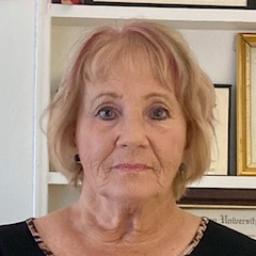
Therapist profile
Jane Amons, LPCC, LPC
Ohio
Licensed Professional Counselor - Addictions and Relationships
Continue with JaneWhere Jane stands
- Credentials
- LPCC, LPC
- License
- LPCC, Ohio / E.0003658-SUPV; LPC, West Virginia / 1685
- NPI
- 1003917352
- Experience
- 30 years
- Languages
- English
- Location
- Ohio
About
- Codependency focus
- CBT and DBT skills
- Trauma-informed methods
About Jane
Jane Amons is a Licensed Professional Clinical Counselor (LPCC) in Ohio and a Licensed Professional Counselor (LPC) in West Virginia with 30 years of clinical experience. She works with adults who are dealing with depression, anxiety, mood disorders, relationship stress, and addictive behaviors. Her practice includes attention to codependency and the strains of living around another person’s drinking, moods, or crises.
She focuses on straightforward conversation and practical strategies. Sessions look at what’s happening now and what keeps patterns going. Jane uses approaches that include client-centered listening, cognitive behavioral techniques, and skills from dialectical behavior therapy when helpful. She also draws on trauma-focused and solution-focused methods for people coping with painful events or urgent problems.
In early sessions she helps people identify patterns such as people-pleasing, trouble saying no, or losing themselves in a relationship. She works with clients to set clearer boundaries and manage strong emotions. Expect concrete tools - thought work, behavioral experiments, and skills practice - rather than long theoretical talks.
Her long experience means she has supported people through addiction, divorce, pregnancy and childbirth concerns, and military-related stress. She is comfortable addressing guilt, shame, isolation, and social anxiety alongside mood conditions. Sessions are conducted in English and reflect her decades of practice with adults.
To start, visitors complete a short matching questionnaire and book an initial appointment. The process is intended to clarify goals, choose approaches that fit, and plan next steps together.
How sessions work
How therapeutic approaches guide online sessions
Client-centered therapy emphasizes listening and responding to each person’s concerns. It involves reflective conversation and collaborative goal-setting to help someone feel heard and to clarify what they want to change.Cognitive Behavioral Therapy, or CBT, breaks down how thoughts, feelings, and actions interact. It uses practical exercises such as thought records and behavioral experiments to reduce unhelpful patterns like rumination or avoidance. This approach can be useful for depression, anxiety, and many relationship-driven patterns.
Dialectical Behavior Therapy, or DBT, teaches concrete skills for managing intense emotions and improving interpersonal effectiveness. Skills training can help with emotional reactivity, difficulty saying no, and patterns of people-pleasing that fuel codependent dynamics.
Finding the right approach is part of the work. The therapist will discuss options and help choose what fits a person’s goals and preferences. Decisions about which methods to use are made together and can adjust as needs change.
Confirm which session formats are currently offered before booking, since formats were not specified in the biography. Online sessions can make it easier to fit therapy around work, caregiving, or medical appointments, and some formats reduce screen time or allow shorter check-ins when that suits a schedule.
Areas of focus
Areas of expertise
Primary focus
Additional focus areas
Therapeutic approaches
Experience
30+ years
Listed in
Ohio, West Virginia
Languages
English
Questions
Frequently asked questions
What kinds of concerns does she work with?
She addresses depression, anxiety, mood disorders, relationship stress, and addictive behaviors. Additional focus areas include codependency, communication problems, and adjustment to life changes.
What is her therapeutic style?
She uses client-centered listening combined with practical techniques from CBT and DBT. The work tends to be direct and skills-focused, with attention to thoughts, behaviors, and emotion regulation.
How much experience does she have?
She has 30 years of professional experience working with adults on mood disorders, addiction, and relationship concerns. That background informs a practical approach to ongoing problems.
What are her credentials and location?
She holds LPCC and LPC credentials and practices from Ohio. The credential abbreviations are used as provided.
Does she offer sessions in other languages or countries?
Sessions are offered in English. International clients are not currently accepted.
What session formats are offered?
Session formats are not specified in the biography. Confirm current session options before booking to know which formats are available.
How does pricing work?
Cost varies with location and sessions use a subscription model that can be canceled at any time. Exact pricing depends on the region and plan selected.
How do I begin working with her?
Select the See online therapy options button, complete the short matching questionnaire, and schedule a first session. That initial step helps clarify goals and choose a path forward.
Details come from information the therapist supplied to BetterHelp. A license can be checked with the state board.
Online talk therapy is not emergency care. If you are not safe at home, use the crisis and helpline numbers.