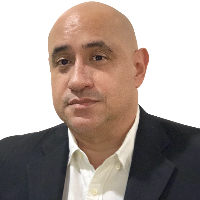
Therapist profile
Dr. Victor Franco, LMHC
New York
LMHC in New York - anxiety and relationships
Continue with VictorWhere Victor stands
- Credentials
- LMHC
- License
- LMHC, New York / 004151
- NPI
- 1629282405
- Experience
- 23 years
- Languages
- English, Spanish
- Location
- New York
About
- Acceptance and Commitment Therapy
- Cognitive Behavioral Therapy
- Attachment-based work
About Victor
Dr. Victor Franco is an LMHC (Licensed Mental Health Counselor) practicing in New York with 23 years of clinical experience. He sees adults who struggle with anxiety, depression, addiction, relationship and intimacy issues, grief, and codependency patterns. He offers services in English and Spanish and works with people from diverse backgrounds including LGBT clients and trauma survivors.
He uses a mix of practical, talk-based methods to help people notice unhelpful patterns and try new behaviors. Sessions focus on clear, manageable steps such as spotting stuck thinking, experimenting with small changes, and strengthening emotional awareness. He draws on cognitive and acceptance-based tools to help reduce anxiety and improve coping with strong feelings.
His background includes graduate study in cognitive psychology, neuroscience, and psychoanalysis, and he is completing doctoral work in counseling. That training informs a style that attends to both thoughts and lived experience. He has substantial experience supporting trauma survivors at a large New York organization and continues professional engagement with national and international mental health groups.
In sessions he tends to blend client-centered listening with structured techniques from Cognitive Behavioral Therapy and Acceptance and Commitment Therapy. Attachment-based ideas also inform work around intimacy, abandonment, and communication patterns. The goal is practical: clearer boundaries, more reliable choices, and better emotional regulation in day-to-day life.
People who struggle with putting others first or living around another person’s moods often come to focus on limits, self-direction, and rebuilding a sense of agency. Prospective clients are encouraged to confirm current session options before booking.
How sessions work
Therapeutic approaches and how they work online
Acceptance and Commitment Therapy (ACT) focuses on noticing thoughts and feelings without getting controlled by them. It helps people clarify what matters to them and take small committed steps toward those values, which can be useful for anxiety, avoidance, and codependency patterns.Cognitive Behavioral Therapy (CBT) targets unhelpful thinking and the behaviors that follow. It uses practical exercises and homework to test beliefs and build new habits, often helping with depression, anxiety, and anger by changing day-to-day routines.
Attachment-Based Therapy looks at how early relationship patterns shape current responses in close relationships. It can guide work on intimacy, abandonment fears, and communication problems by tracing reactions back to attachment needs.
Finding the best approach is part of the work. The therapist will talk with the client about goals, preferences, and what has or hasn't helped in the past. Together they decide which methods to emphasize and adjust the plan as progress unfolds.
Confirm current session options before booking so you know what formats are offered. Online sessions can make it easier to fit therapy into a weekday break, avoid travel time, or use a shorter check-in when energy is low. Ask about language needs and any practical scheduling details when you complete the initial questionnaire.
Areas of focus
Areas of expertise
Also works with
Additional focus areas
Therapeutic approaches
Experience
23+ years
Listed in
New York
Languages
English, Spanish
Questions
Frequently asked questions
Does he help with people-pleasing and boundary issues?
Yes. He works with adults who struggle to set limits, say no, or maintain themselves inside relationships.
What is his therapeutic style like?
He combines client-centered listening with structured CBT and ACT techniques to spot patterns and try small behavior changes.
How long has he been practicing?
He brings 23 years of experience in mental health work, including roles supporting trauma survivors in New York.
Where is he licensed and based?
He is an LMHC licensed in New York and practices out of that state.
Which languages are supported in sessions?
Sessions are offered in English and Spanish.
Can people outside the US work with him?
He accepts international clients; anyone considering sessions from another country should confirm logistics before booking.
How are fees and payment handled?
Cost varies with location and sessions use a subscription model that can be canceled at any time.
What are the steps to begin?
Start by selecting the See online therapy options button, complete a short matching questionnaire, and schedule a first session.
Details come from information the therapist supplied to BetterHelp. A license can be checked with the state board.
Online talk therapy is not emergency care. If you are not safe at home, use the crisis and helpline numbers.