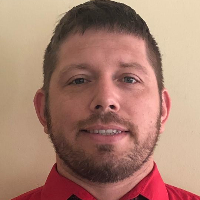
Therapist profile
Richard Rodgers, LCSW
Indiana
LCSW - addiction and trauma focus
Continue with RichardWhere Richard stands
- Credentials
- LCSW
- License
- LCSW, Illinois / 149.020534; LCSW, Indiana / 34008256A; LCSW, Arizona / LCSW-21892
- NPI
- 1891279287
- Experience
- 10 years
- Languages
- English
- Location
- Indiana
About
- Codependency support
- ACT and CBT methods
- Attachment work
About Richard
Richard Rodgers is an LCSW (Licensed Clinical Social Worker) with 10 years of experience. He practices in Indiana and helps people dealing with stress, anxiety, addictions, trauma, grief, depression, and related concerns including codependency and attachment issues.
Richard began his mental health work after serving in the Army National Guard. That experience shaped his focus on addiction, trauma, and the challenges people face after crisis. He has worked in both inpatient and outpatient settings and brings practical experience from those roles.
In sessions he uses evidence-based talk therapies alongside approaches that focus on relationships and behavior change. He draws on Acceptance and Commitment Therapy, Cognitive Behavioral Therapy, Dialectical Behavior Therapy, Attachment-Based Therapy, and client-centered principles to address patterns that keep people stuck. Conversations move toward small, doable changes rather than abstract goals.
He often helps people who struggle with people-pleasing, difficulty saying no, feeling overly responsible for others, and living around another person’s substance use or mood swings. He also supports those coping with grief, career stress, sleep problems, and chronic health challenges.
Clients can expect straightforward talk, practical skills to try between sessions, and a focus on clarifying values and boundaries. To begin, people follow the service’s matching steps and schedule an initial appointment through the online options.
How sessions work
Therapeutic approaches used in remote sessions
Acceptance and Commitment Therapy (ACT) helps people clarify what matters to them and take small steps toward those values. It focuses on noticing thoughts and feelings without getting driven by them, which can help with anxiety, avoidance, and stuck patterns.Cognitive Behavioral Therapy (CBT) looks at the links between thoughts, feelings, and actions. Sessions include practical exercises and experiments to test unhelpful beliefs and build new habits that reduce symptoms like worry, low mood, or sleep problems.
Attachment-Based Therapy pays attention to how early relationships shape current patterns. It can help people who struggle with codependency, boundary issues, or unstable closeness by examining how they relate to others and learning different ways to connect.
Finding the right approach is part of the work. The therapist will help clients decide which methods to try based on their goals and how they respond. That process is collaborative, with room to adjust techniques as needs change.
Confirm current session options before booking so you know what formats are offered. Online sessions can make it easier to fit therapy into a busy life, allow shorter check-ins when needed, and let people join without travel time. Discuss scheduling preferences and practical details during the matching and booking steps so sessions fit into everyday routines.
Areas of focus
Areas of expertise
Also works with
Additional focus areas
Therapeutic approaches
Experience
10+ years
Listed in
Illinois, Indiana, Arizona
Languages
English
Questions
Frequently asked questions
What concerns does he address?
He works with stress, anxiety, addictions, trauma and abuse, grief, depression, and related issues including codependency and attachment difficulties.
What is his general therapy style?
He blends talk therapy with practical techniques from ACT, CBT, DBT, attachment-based work, and client-centered methods to help people change unhelpful patterns.
How much clinical experience does he have?
He has about 10 years of experience in mental health and addiction care, including work in inpatient and outpatient settings.
What are his credentials and where does he practice?
He is an LCSW licensed in Illinois and Arizona and practices from Indiana.
Which languages are used in sessions?
Sessions are offered in English.
Does he accept clients outside the country?
He does not accept international clients at this time.
How does pricing work?
Cost varies with location and sessions use a subscription that can be canceled at any time.
How do I get started with a first session?
Select the See online therapy options button, complete a short matching questionnaire, and schedule your first session.
Details come from information the therapist supplied to BetterHelp. A license can be checked with the state board.
Online talk therapy is not emergency care. If you are not safe at home, use the crisis and helpline numbers.