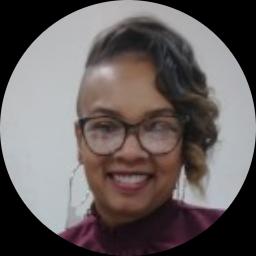
Where Nakiba stands
- Credentials
- LCSW
- License
- LCSW, Texas / 105250
- NPI
- 1518706639
- Experience
- 4 years
- Languages
- English
- Location
- Texas
About
- Stress and anxiety
- Codependency patterns
- Communication skills
About Nakiba
Nakiba Varnado is a Licensed Clinical Social Worker (LCSW) practicing in Texas with four years of clinical experience. She works with people facing stress, anxiety, trauma and abuse, bipolar disorder, LGBT concerns, and coping with life changes. Nakiba also notes codependency among her focus areas and helps people who feel stuck putting others first.
Nakiba frames sessions around practical skills and clearer communication. She helps people notice patterns such as people-pleasing, trouble saying no, and losing a sense of self in relationships. In session she talks through everyday situations and practices small changes that are sustainable outside therapy.
Her approach draws on evidence-based therapeutic techniques. That means Nakiba uses methods that focus on changing thinking and behavior, and on improving emotional regulation and relationships. She emphasizes concrete strategies rather than jargon, so people leave with tools they can use the next day.
Nakiba describes her work as affirming of diverse identities and attentive to how culture and sexual identity shape stress. She often supports people with identity-related concerns, workplace stress, and social anxiety by blending symptom-focused work with relational and communication skills.
To begin, she asks about what is most pressing and what has helped before. Sessions move at a practical pace - naming patterns, trying new responses, and checking what worked. People who want to address codependent patterns or rebuild boundaries may find this direct, skills-focused style helpful.
How sessions work
How evidence-based approaches translate to online work
Evidence-based therapeutic techniques focus on changing unhelpful thoughts, practicing new behaviors, and building emotional regulation skills. Cognitive-style methods look at how thought patterns influence feelings and help people try different responses to familiar situations. Behavioral and skills-focused techniques involve role practice and step-by-step changes to reduce avoidance and improve boundaries.Finding the right approach is part of the work. The therapist will collaborate with each person to choose methods that fit their needs, goals, and preferences. That means checking what feels useful, adjusting methods if something isn’t working, and combining techniques when needed.
The biography does not list specific session formats, so confirm current online options before booking. Online work can make it easier to fit sessions into a busy life - for example, it can reduce travel time, allow shorter check-ins during a lunch break, or make it simpler to meet when managing health or caregiving demands. Therapists and licensed professionals generally use online sessions to keep momentum between in-person meetings and to practice real-life skills in everyday settings.
Areas of focus
Areas of expertise
Primary focus
Additional focus areas
Experience
4+ years
Listed in
Texas
Languages
English
Questions
Frequently asked questions
What concerns does she address?
She works with stress, anxiety, trauma and abuse, bipolar concerns, LGBT issues, and coping with life changes. Codependency and related relationship patterns are listed among her focus areas.
What is her therapy style like?
She uses evidence-based therapeutic techniques and focuses on practical skills. Sessions emphasize clearer communication, emotional regulation, and behavior changes people can practice between meetings.
How much clinical experience does she have?
She has four years of professional experience as a therapist. That experience is applied to the range of concerns listed in her profile.
What credentials and location are listed?
She is a Licensed Clinical Social Worker (LCSW) licensed in Texas and practices from Texas.
Does she work in languages other than English or with international clients?
Sessions are offered in English and she accepts international clients.
Which session formats are offered?
The original biography does not specify session formats. Confirm current session options with the therapist before booking.
How is cost handled?
Cost varies with location and sessions use a subscription that can be canceled at any time.
How do I begin working with her?
Select the See online therapy options button, complete a short matching questionnaire, and schedule a first session.
Details come from information the therapist supplied to BetterHelp. A license can be checked with the state board.
Online talk therapy is not emergency care. If you are not safe at home, use the crisis and helpline numbers.