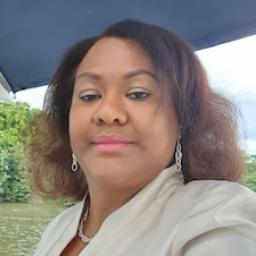
Counsellor profile
Kadija Taha, BACP
United Kingdom
BACP counsellor - relationships and grief
Continue with KadijaWhere Kadija stands
- Credentials
- BACP
- Registration
- BACP, United Kingdom / 186600
- Experience
- 11 years
- Languages
- English
- Location
- United Kingdom
About
- Codependency support
- Bereavement counselling
- CBT and attachment
About Kadija
Kadija Taha is a BACP counsellor practising in the United Kingdom with 11 years of experience. She works with adults facing anxiety, depression, relationship problems, grief, stress, addiction and codependency. She also supports people from LGBT backgrounds and those dealing with life changes and parenting pressures.
Kadija uses an integrative approach rather than one fixed model. She draws on cognitive behavioural ideas to look at thoughts and actions, and on person-centred practices to listen and reflect what matters to the client. She also brings in attachment-focused work when relationships and closeness are central concerns.
Sessions are straightforward conversations about what is happening now, and what the client wants to be different. Kadija describes bereavement counselling as a particular area of focus and uses bereavement models to support people who are grieving. She also notes experience working with people from diverse cultural backgrounds and different countries.
Her style is calm and low-key, with an emphasis on giving people space to speak and be heard. She offers some Islamic counselling perspectives alongside other approaches, and is open to working with people of any background who wish to try that element.
Kadija’s practice covers a wide range of concerns including trauma and abuse, self-esteem, intimacy-related issues, eating and sleeping problems, ADHD and compassion fatigue. Her work often includes helping people set clearer personal boundaries and untangle patterns of putting others first.
To begin, she asks people to outline what they want from counselling and chooses approaches that fit those aims. The focus is practical - noticing patterns, trying small changes, and reviewing what helps and what does not.
How sessions work
Therapeutic approaches used in remote sessions
Acceptance and Commitment Therapy (ACT) encourages people to notice thoughts and feelings without getting stuck in them, then choose actions that match their values; it can help with anxiety, avoidance and making life choices. Attachment-Based Therapy focuses on how early and current relationships shape feelings of safety and closeness, and is often useful when trust, intimacy or attachment issues are central. Client-Centred Therapy (person-centred) places the person’s experience at the centre and uses reflective listening to help clarify what matters and what change might look like.Kadija treats finding the right approach as a collaborative task. She will discuss goals and preferences, try approaches that fit those aims, and adjust the work as the client notices what helps. The focus is on practical steps and checking in about whether a method feels useful.
The therapist’s biography did not name specific online formats, so confirm the current session options before booking. Many people find remote sessions useful because they can fit counselling around work and family commitments, avoid travel, or choose a quieter time for a shorter check-in. Other practical benefits include easier scheduling across time zones for international clients and the ability to continue therapy after a move. Registered or accredited professionals will help choose session length and frequency that fit everyday life.
Areas of focus
Areas of expertise
Primary focus
Also works with
Additional focus areas
Therapeutic approaches
Experience
11+ years
Listed in
United Kingdom
Languages
English
Questions
Frequently asked questions
What concerns does she work with?
She works with anxiety, depression, relationship problems, grief, addictions, codependency and related issues listed in her profile.
How would she describe her therapeutic style?
Her style is integrative and conversational, using listening, reflection and practical techniques from several approaches.
How much clinical experience does she have?
Kadija has 11 years of experience working with people from varied backgrounds and different countries.
What professional credential does she hold and where is she based?
She is a BACP counsellor based in the United Kingdom.
Which languages are offered and can she see international clients?
Sessions are offered in English and she does accept international clients.
What session formats does she use?
The original biography did not specify session formats, so check the platform’s options to confirm current online session types before booking.
How are fees handled?
Cost varies with location and sessions are provided through a subscription that can be cancelled at any time.
How do I start working with her?
Select the See online therapy options button, complete the short matching questionnaire and schedule a first session.
Details come from information the counsellor supplied to BetterHelp. A registration can be checked with the body that issued it.
Online talk therapy is not emergency care. If you are not safe at home, use the crisis and helpline numbers.