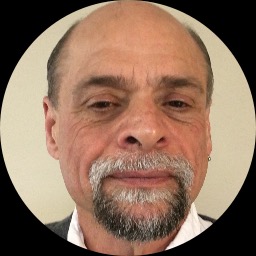
Therapist profile
Richard Alongi, LMFT
California
LMFT - Relationships and Addictions
Continue with RichardWhere Richard stands
- Credentials
- LMFT
- License
- LMFT, California / 19896
- NPI
- 1609047216
- Experience
- 36 years
- Languages
- English
- Location
- California
About
- Attachment work
- EFT methods
- Client-centered care
About Richard
Richard Alongi is a California Licensed Marriage and Family Therapist (LMFT) with 36 years of experience. He works with adults who struggle with addictions, relationship and intimacy problems, self-esteem, anxiety, grief, and the day-to-day stress of life changes.
His approach is practical and conversation-based. Sessions focus on what is happening in relationships and how patterns of connection shape feelings and choices. He uses attachment-informed ideas to look at how early relationships affect current partnership dynamics and intimacy. Emotionally-Focused Therapy techniques help name and shift painful interaction cycles so people can feel less stuck.
Richard also draws on client-centered ways of working, keeping the person’s perspective central and pacing the work to what feels manageable. He uses Jungian ideas to bring attention to deeper themes and meaning when that fits a person’s goals. A number of clients come for help with substance use, codependency patterns, or trouble setting boundaries; the focus tends to be on clearer communication and steadier emotional responding.
Sessions are conversational and goal-focused. He talks through concrete ways to practice setting limits, handling triggers, and rebuilding a stronger sense of self. He encourages small experiments between sessions so new ways of relating can be tested and adjusted.
Richard practices in California and conducts therapy in English. He asks people to complete a short matching questionnaire as the first step, then schedule an initial appointment to begin clarifying goals.
How sessions work
How attachment and emotion-focused work translate to online sessions
Attachment-Based Therapy looks at how early bonds shape present-day relationships. Online sessions use conversation to notice recurring patterns, test new ways of asking for needs, and practice steadier emotional responses. Emotionally-Focused Therapy (EFT) helps people identify painful interaction cycles and shift them by naming emotions and changing how they respond. In an online meeting, that can mean practicing different responses in real time and bringing those moments back to discuss what felt different. Client-Centered Therapy keeps the focus on the person’s experience and pace, with the therapist following the client’s lead and reflecting what’s most important in the moment.Finding the right approach is part of the work. The therapist will collaborate with the client to decide which combination of methods fits their goals, needs, and comfort. That may mean trying a few approaches and adjusting as progress or obstacles appear.
Confirm the current session options before booking since formats are not listed in the biography. Online sessions can make it easier to fit therapy into a busy life by removing travel time, allowing shorter check-ins when needed, and letting someone attend from a quieter setting. These practical benefits help people maintain consistency while they practice new ways of relating and responding.
Areas of focus
Areas of expertise
Primary focus
Also works with
Additional focus areas
Therapeutic approaches
Experience
36+ years
Listed in
California
Languages
English
Questions
Frequently asked questions
What kinds of problems does he help with?
He helps with addictions, relationship and intimacy issues, self-esteem, anxiety, grief, stress, depression, and related concerns such as codependency and commitment worries.
What is his style in therapy?
He works conversationally and focuses on relationship patterns and emotions. Techniques include attachment-informed work, Emotionally-Focused Therapy, and client-centered listening.
How much experience does he bring?
He has 36 years of professional experience working with adults on relationship and addiction-related issues.
What are his credentials and where is he based?
He is a California LMFT and practices in California.
Which languages are supported for sessions?
Sessions are offered in English.
Can international clients work with him?
He does not accept international clients at this time.
How are sessions priced?
Cost varies with location and sessions use a subscription model that can be canceled at any time.
How do I get started?
Use the See online therapy options button, complete a short matching questionnaire, and schedule a first session to begin.
Details come from information the therapist supplied to BetterHelp. A license can be checked with the state board.
Online talk therapy is not emergency care. If you are not safe at home, use the crisis and helpline numbers.