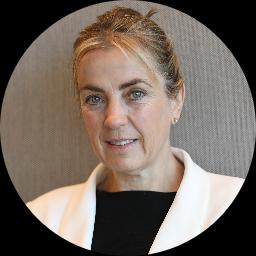
Counsellor profile
Karyn Krawford, PACFA
Australia
PACFA psychotherapist - relationships and mood
Continue with KarynWhere Karyn stands
- Credentials
- PACFA
- Registration
- PACFA, Australia / 27923
- Experience
- 7 years
- Languages
- English
- Location
- Australia
About
- ACT and CBT
- Attachment-based work
- Communication skills
About Karyn
Karyn Krawford is a PACFA-accredited practitioner with seven years of clinical experience in Australia. She works with people who are struggling with stress, anxiety, depression, bipolar disorder, relationship difficulties, and the effects of trauma and abuse. Karyn uses clear conversation and practical explanations to help people weigh options and make changes that fit their life.
Her background in social science means she pays attention to culture, power and group dynamics. That feeds into how she talks about relationship patterns, communication problems and codependency. She offers psychoeducation on emotional regulation, how people react under stress, and common relationship dynamics.
Karyn draws on several therapy approaches to match what each person needs. She uses Acceptance and Commitment Therapy and Cognitive Behavioral Therapy to work on thoughts and actions. Attachment-based ideas and client-centred ways of talking help when relationship patterns and connection are the focus.
She also has experience with Dialectical Behavior Therapy skills and Transactional Analysis methods for communication and autonomy. These tools are used to practice new ways of relating and making choices when emotions run high. Karyn encourages clear learning and step-by-step skill building.
Practical topics she commonly addresses include abandonment concerns, attachment issues, communication problems, commitment or control issues, and living around someone else’s moods or crises. She is open to discussing topics like adoption, ageing and long-term illness, and neurodiversity as they affect everyday coping.
To begin, people complete a short matching questionnaire and schedule a first session to see how the therapist and approach fit. Karyn presents information plainly and focuses on what can be tried between sessions.
How sessions work
How therapeutic approaches are used in online sessions
Acceptance and Commitment Therapy (ACT) helps people notice unhelpful thoughts and then choose actions that match their values. It is useful for stress, anxiety and getting unhelpful habits under better control. Cognitive Behavioral Therapy (CBT) looks at the links between thoughts, feelings and behaviour and teaches practical strategies to test and change unhelpful patterns. It often suits mood and anxiety concerns where tasks and homework are useful.Finding the right approach is part of the work. The therapist will talk with each person about goals, preferences and what feels helpful. Together they decide whether to emphasise ACT, CBT, attachment-based work or a mix of methods and then review how well it is working as therapy continues.
The biography does not list specific online formats, so confirm the available session types before booking. Online sessions can make it easier to fit therapy into a busy day, reduce travel time and allow shorter check-ins when needed. They also allow practical skills practice and homework to be reviewed between sessions. If you want to know which formats are offered, check the platform’s session options when you complete the matching questionnaire.
Areas of focus
Areas of expertise
Primary focus
Additional focus areas
Therapeutic approaches
Experience
7+ years
Listed in
Australia
Languages
English
Questions
Frequently asked questions
What kinds of problems does she help with?
She works with stress, anxiety, depression, bipolar-related concerns, relationship problems, and the impact of trauma or abuse. Codependency and attachment difficulties are also listed as focus areas.
How would you describe her therapeutic style?
She combines Acceptance and Commitment Therapy, Cognitive Behavioral Therapy, attachment-based ideas and client-centred conversation. The style is practical and education-focused, with skill practice between sessions.
How much clinical experience does she have?
She has seven years of clinical experience working in Australia with psychotherapy and counselling clients.
What are her credentials and location?
She is PACFA accredited and works from Australia.
Does she work in languages other than English or with overseas clients?
Sessions are offered in English and she is not taking international clients.
Which session formats are available?
The original biography does not specify session formats. Confirm current session options with the service before you book.
How are fees handled?
Cost varies with location and sessions use a subscription that can be cancelled at any time.
What should I do to start working with her?
Use the See online therapy options button, complete a short matching questionnaire, and schedule a first session to begin.
Details come from information the counsellor supplied to BetterHelp. A registration can be checked with the body that issued it.
Online talk therapy is not emergency care. If you are not safe at home, use the crisis and helpline numbers.