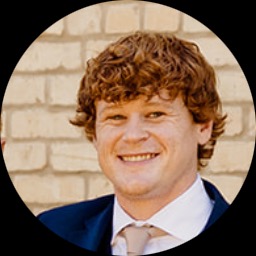
Therapist profile
Zachary Karr, LCSW
Illinois
Licensed Clinical Social Worker - Relationships and Anxiety
Continue with ZacharyWhere Zachary stands
- Credentials
- LCSW
- License
- LCSW, Illinois / 149029648
- NPI
- 1881291110
- Experience
- 6 years
- Languages
- English
- Location
- Illinois
About
- client-centered listening
- CBT tools
- mindfulness practices
About Zachary
Zachary Karr is a Licensed Clinical Social Worker (LCSW) practicing in Illinois with six years of post-graduate clinical experience. He works with adults dealing with stress, anxiety, relationship challenges, trauma and abuse, self-esteem concerns, depression, addictions, and codependency among other issues. Zach speaks English and draws on over a decade of experience in mental health settings across multiple states.
He keeps sessions relaxed and straightforward rather than overly formal. Conversations focus on what the client is facing now - the patterns that keep repeating, the strain of putting others first, or feeling stuck. Zach offers practical ideas and honest feedback so people can try different ways of handling things between sessions.
His work blends client-centered listening with tools from cognitive behavioral therapy and mindfulness. That means clients get time to tell their story and also leave with simple steps to test in real life. Motivational interviewing helps when someone is unsure about change, and psychodynamic ideas can uncover long-running relationship patterns.
Zach’s background includes clinical roles in several states and work across many age groups. He balances direct clinical work with an informal style that some people find easier to talk with about intimate or painful topics. He also enjoys hiking, camping, and casual hobbies outside of work.
If someone is used to putting others first and wants help noticing those habits, this clinician offers clear conversation and practical options for setting limits, managing anxiety, or responding differently to stress. Prospective clients should confirm current session formats before booking.
How sessions work
How therapeutic approaches translate to online sessions
Client-centered therapy focuses on listening and reflecting what the client says. Online sessions using this approach give space for a person to describe patterns like people-pleasing or feeling lost in relationships while the therapist helps clarify goals and next steps.Cognitive Behavioral Therapy (CBT) breaks problems into thoughts, feelings, and actions. In virtual sessions clients can work on specific skill practice, homework, and short experiments to try between meetings to change unhelpful habits and reduce anxiety.
Mindfulness therapy teaches simple attention practices that reduce reactivity. These can be introduced during a session and practiced at home to help manage stress, cravings, or intense emotions.
Choosing the right mix of approaches is part of the work. The therapist will collaborate with the client to decide which methods fit their goals and preferences and will adjust as progress is made.
Session formats are not specified in the provided biography, so confirm available options before booking. Online work can make it easier to fit therapy into a busy schedule, allow shorter check-ins when needed, and remove travel time. Licensed professionals can guide how to use session length and frequency to match everyday life.
Areas of focus
Areas of expertise
Primary focus
Also works with
Additional focus areas
Therapeutic approaches
Experience
6+ years
Listed in
Illinois
Languages
English
Questions
Frequently asked questions
What concerns does he help with?
He helps people with stress, anxiety, relationships, trauma and abuse, self-esteem, depression, addictions, codependency, and related issues.
What is his therapeutic style like?
He uses a relaxed, straightforward approach that combines listening with practical strategies from CBT, mindfulness, motivational interviewing, and psychodynamic ideas.
How much clinical experience does he have?
He holds six years of post-graduate experience as an LCSW and over a decade working in mental health across multiple states.
Where is he licensed and based?
He is a Licensed Clinical Social Worker (LCSW) in Illinois and practices there.
Which languages are supported?
Sessions are offered in English.
Does he work with international clients?
International clients are not currently accepted.
How much do sessions cost?
Cost varies with location and sessions use a subscription that can be canceled at any time.
How do I get started?
Select the See online therapy options button, complete a short matching questionnaire, and schedule a first session.
Details come from information the therapist supplied to BetterHelp. A license can be checked with the state board.
Online talk therapy is not emergency care. If you are not safe at home, use the crisis and helpline numbers.