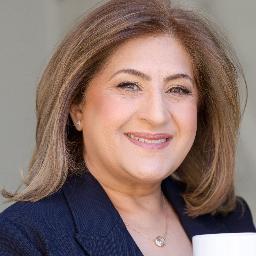
Counsellor profile
Tayyauba Sheikh, BACP, NCPS
United Kingdom
BACP, NCPS counsellor - relationships and codependency
Continue with TayyaubaWhere Tayyauba stands
- Credentials
- BACP, NCPS
- Registration
- BACP, United Kingdom / 394434; NCPS, United Kingdom / NCS24-06053
- Experience
- 4 years
- Languages
- English, Hindi, Punjabi, Urdu
- Location
- United Kingdom
About
- Attachment-based work
- Emotion-focused methods
- Client-centred therapy
About Tayyauba
Tayyauba Sheikh is a BACP and NCPS registered counsellor practising in the United Kingdom with four years of professional experience. She works with people facing stress, anxiety, depression, grief, relationship strain and parenting challenges. She also helps with issues such as addictions, trauma, intimacy concerns and codependency.
Tayyauba focuses on talking therapy as her main approach and will discuss medication with a client when that feels appropriate. Sessions centre on clear conversation about what is happening now and what the client wants to change. She aims to make practical plans and to work through feelings and patterns that keep causing pain.
Her background includes supporting people through bereavement and family conflict. She also helps with career worries, low self-esteem, anger and coping with life changes. Practical skills and gentle reflection are both part of her way of working.
Tayyauba draws on approaches that pay attention to how attachment and past relationships shape present behaviour. She uses client-centred methods to keep the focus on the person's own priorities. Emotionally-Focused and psychodynamic ideas are used to understand core emotions and repeated patterns.
Sessions are conducted in English and also in Hindi, Punjabi or Urdu when needed. The therapist asks people to complete a short matching questionnaire before the first appointment so she can plan initial work and set straightforward goals.
How sessions work
Therapeutic approaches and how online sessions can help
Attachment-Based Therapy looks at how early relationships influence current patterns. It helps people understand why they react strongly in close relationships and supports rebuilding clearer boundaries and safer interactions.Client-Centred Therapy puts the person's own goals at the centre. The counsellor listens without steering, so clients can name their priorities and try things out at their own pace.
Emotionally-Focused Therapy helps people identify and work with core emotions that drive repeated reactions. It can be useful for people who get stuck in cycles of people-pleasing, withdrawing or conflict when they feel hurt.
Deciding which approach to use is a collaborative step. The therapist will talk with each person about needs, goals and preferences and choose methods that fit those aims. That choice can be reviewed as work progresses.
Confirm the exact session options before booking as the profile does not list specific formats. Online sessions can make it easier to fit counselling around work and family life, allow shorter check-ins when time is limited, and let people use audio-only when video is not practical. Registered or accredited professionals can explain practical arrangements and help decide how to schedule sessions to suit everyday commitments.
Areas of focus
Areas of expertise
Primary focus
Also works with
Additional focus areas
Therapeutic approaches
Experience
4+ years
Listed in
United Kingdom
Languages
English, Hindi, Punjabi, Urdu
Questions
Frequently asked questions
What kinds of problems does she help with?
She helps people with stress, anxiety, depression, grief, relationship and family conflicts, addictions, trauma, codependency and related concerns.
What is her therapeutic style like?
She prioritises talking therapy and uses client-centred, attachment-based and emotionally-focused approaches to explore feelings and relationship patterns.
How much experience does she have?
She has four years of professional experience working with bereavement, relationship strain, parenting issues and other areas listed in her profile.
What credentials and location are listed?
She is listed with BACP and NCPS and practices in the United Kingdom.
Which languages can sessions be held in?
Sessions are offered in English, Hindi, Punjabi and Urdu.
Can people outside the UK work with her?
International clients are not currently accepted.
How are sessions charged?
Cost varies with location and sessions use a subscription that can be cancelled at any time.
What is the first step to begin?
Select the See online therapy options button, complete a short matching questionnaire, and schedule a first session.
Details come from information the counsellor supplied to BetterHelp. A registration can be checked with the body that issued it.
Online talk therapy is not emergency care. If you are not safe at home, use the crisis and helpline numbers.