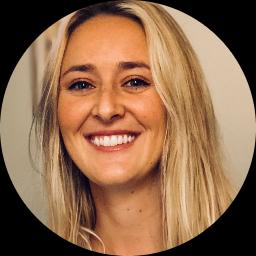
Therapist profile
Quinn Smalley, LMHC
Florida
Licensed Mental Health Counselor - Relationships and Codependency
Continue with QuinnWhere Quinn stands
- Credentials
- LMHC
- License
- LMHC, Florida / MH22253
- NPI
- 1821780537
- Experience
- 6 years
- Languages
- English
- Location
- Florida
About
- CBT techniques
- ACT methods
- Emotion skills training
About Quinn
Quinn Smalley is a Licensed Mental Health Counselor (LMHC) in Florida with six years of clinical experience. She works with adults dealing with stress, anxiety, relationship struggles, low self-esteem, depression, and coping with life changes, and she lists codependency among her focus areas.
Quinn prefers straightforward conversations about what has been hard. She listens for the patterns that keep repeating - people-pleasing, trouble saying no, or getting lost in someone else’s moods. Sessions look at recent problems and the moments that shaped how a person responds to others and to pressure.
Her approach draws on several practical therapies. Cognitive Behavioral Therapy helps spot and change unhelpful thinking and behavior. Acceptance and Commitment Therapy offers tools to act in line with personal values even when feelings are difficult. Dialectical Behavior Therapy adds skills for emotion regulation and distress tolerance.
In the room, work is focused and concrete. Quinn uses talk, skill-building, and reflection to make small changes that add up. She also pays attention to how relationships and roles - parenting, caregiving, blended family dynamics - affect day-to-day functioning.
Quinn also names issues such as trauma, grief, addiction, body image, and parenting stress among the problems she addresses. People who feel overwhelmed by caregiving, abandonment fears, or communication and control struggles may find practical strategies to try together in sessions.
How sessions work
Therapeutic approaches used in online sessions
Acceptance and Commitment Therapy (ACT) helps people notice painful thoughts and feelings without getting stuck in them, then take actions that line up with personal values. It can be useful for anxiety, depression, and patterns like people-pleasing that interfere with what someone wants from life.Cognitive Behavioral Therapy (CBT) focuses on identifying unhelpful thoughts and behaviors and trying practical experiments to change them. CBT often suits stress, low mood, sleep or eating concerns, and situations where concrete coping steps are helpful.
Dialectical Behavior Therapy (DBT) offers skills for emotion regulation, distress tolerance, and clearer communication. These skills can help when strong feelings, conflict, or impulsive reactions make everyday life harder.
Working out which approaches to use is part of the work. The therapist will collaborate with the client to pick methods that match goals, preferences, and the problems they want to address. That way sessions stay focused and relevant.
The biography does not list specific session formats, so confirm available options before booking. Many people find online sessions helpful for fitting therapy into busy days, keeping check-ins short when needed, doing work between sessions, or avoiding travel time. Ask about format options and how sessions are scheduled when you complete the matching questionnaire.
Areas of focus
Areas of expertise
Primary focus
Also works with
Additional focus areas
Therapeutic approaches
Experience
6+ years
Listed in
Florida
Languages
English
Questions
Frequently asked questions
What kinds of concerns does she work with?
She works with stress, anxiety, relationship issues, low self-esteem, depression, codependency, trauma, grief, addictions, parenting stress, and related concerns.
How would you describe her therapeutic style?
Her style is conversational and practical, focusing on patterns, moments that shaped behavior, and concrete skill-building to manage emotions and relationships.
How much experience does she have?
She has six years of professional experience as a clinician working with adults on a range of mood, relationship, and life-change concerns.
What credential does she hold and where is she based?
She is a Florida LMHC, which stands for Licensed Mental Health Counselor, and she practices in Florida.
Can I work with her if I live outside the United States?
Sessions are offered in English and she is not accepting international clients at this time.
What session formats are available?
The original biography does not specify session formats; please confirm current options before booking.
How are fees handled?
Cost varies with location, and sessions use a subscription that can be canceled at any time.
What should I do to get started?
Select the See online therapy options button, complete the short matching questionnaire, and schedule your first session to begin.
Details come from information the therapist supplied to BetterHelp. A license can be checked with the state board.
Online talk therapy is not emergency care. If you are not safe at home, use the crisis and helpline numbers.