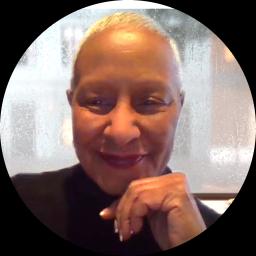
Therapist profile
Nia Rose, LCMHC
North Carolina
Licensed counselor - addictions and relationships
Continue with NiaWhere Nia stands
- Credentials
- LCMHC
- License
- LCMHC, North Carolina / 14179
- NPI
- 1548568264
- Experience
- 30 years
- Languages
- English
- Location
- North Carolina
About
- Addictions
- Relationship issues
- Codependency
About Nia
Nia Rose is a Licensed Clinical Mental Health Counselor (LCMHC) in North Carolina with 30 years of experience. She works with adults on concerns including addictions, trauma and abuse, intimacy-related issues, self-esteem, depression, relationship stress, family-related concerns, and ADHD. Sessions focus on practical steps and clearer choices rather than labels or quick fixes.
Nia emphasizes straightforward conversation. She invites people to talk through the thoughts and behaviors that keep them stuck. In sessions she helps identify patterns like people-pleasing, difficulty saying no, or losing a sense of self when relationships become overwhelming.
Her approach blends techniques from Acceptance and Commitment Therapy, Cognitive Behavioral Therapy, and Dialectical Behavior Therapy with client-centered listening. That mix is used to help people notice what matters to them, test small changes, and practice new ways of handling strong emotions and urges.
Nia also uses elements of Emotionally-Focused Therapy to address closeness and intimacy concerns. She helps people name what they want from relationships and experiment with different ways of asking for it. Work often includes simple skill practice and checking what changes actually feel like in daily life.
Conversations are plain and goal-focused. Nia encourages steady progress through small, repeatable steps. She asks clients to try out different responses, notice results, and refine what works next.
How sessions work
How her approaches translate to online sessions
Acceptance and Commitment Therapy (ACT) helps people notice their thoughts and feelings without getting pushed around by them, then choose actions tied to personal values. It is useful for codependency patterns, anxiety about relationships, and habits tied to addiction. Cognitive Behavioral Therapy (CBT) focuses on identifying unhelpful thoughts and testing new behaviors to change mood and reactions. CBT is practical for depression, self-esteem, and communication problems. Emotionally-Focused Therapy (EFT) looks at feelings around closeness and connection and helps people express needs more clearly to reduce repeated cycles of withdrawal or pursuit.Finding the right approach is part of the work. Nia will discuss options and collaborate with each person to decide which methods fit their goals and preferences. That collaborative planning can shift over time as different skills are practiced and new challenges appear.
The biography does not list specific session formats, so confirm current options before booking. Online sessions can make it easier to fit therapy into a busy week, allow shorter check-ins when needed, and remove travel time so sessions can be kept during work breaks or between appointments. Licensed professionals can guide how to use each approach in the available session format and help integrate new skills into everyday life.
Areas of focus
Areas of expertise
Primary focus
Also works with
Additional focus areas
Therapeutic approaches
Experience
30+ years
Listed in
North Carolina
Languages
English
Questions
Frequently asked questions
What kinds of concerns does she work with?
Nia works with addictions, trauma and abuse, intimacy-related issues, self-esteem, depression, relationship and family concerns, and ADHD.
What is her therapeutic style?
She combines Acceptance and Commitment Therapy, Cognitive Behavioral Therapy, Dialectical Behavior Therapy, Emotionally-Focused Therapy, and client-centered listening to help people try new behaviors and manage strong emotions.
How much experience does she have?
Nia has 30 years of professional experience as a mental health counselor in North Carolina.
What are her credentials and location?
She holds the LCMHC credential and practices in North Carolina.
What languages are supported and can international clients work with her?
Sessions are offered in English. International clients are not currently accepted.
What session formats are offered?
Confirm current session options before booking; the biography does not specify which formats are used.
How does cost work?
Cost varies with location and sessions use a subscription that can be canceled at any time.
How do I begin working with her?
Select the See online therapy options button, complete the short matching questionnaire, and schedule a first session.
Details come from information the therapist supplied to BetterHelp. A license can be checked with the state board.
Online talk therapy is not emergency care. If you are not safe at home, use the crisis and helpline numbers.