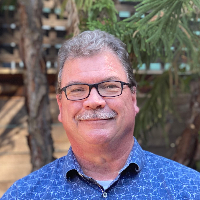
Therapist profile
Kevin Bagwell, LPC, LPCC
California
Licensed counselor - Relationships and trauma
Continue with KevinWhere Kevin stands
- Credentials
- LPC, LPCC
- License
- LPC, Michigan / 6401009233; LPCC, California / 17520
- NPI
- 1710010152
- Experience
- 20 years
- Languages
- English
- Location
- California
About
- Client-Centered methods
- Cognitive Behavioral Therapy
- Mindfulness and narrative
About Kevin
Kevin Bagwell is an LPC, licensed professional counselor, and an LPCC with 20 years of experience working in counseling and human services. He sees adults dealing with relationship struggles, family stress, depression, anxiety, addiction concerns, parenting pressures, and grief. He also works with people facing trauma, ADHD, codependency, and career or life transitions.
Kevin uses clear, practical conversations to help people untangle what matters most to them. He draws on approaches like client-centered work and cognitive behavioral methods to identify patterns that keep someone stuck. Sessions focus on small, doable steps and on building skills that make daily life easier.
In earlier roles Kevin worked in nonprofits, community mental health, university psychiatric settings, and private practice. That variety shaped his direct style and his interest in both short-term problem solving and longer-term emotional work.
He often combines client-centered listening with CBT tools to address symptoms and habits. He also brings existential questions into the room when people are facing meaning, loss, or major life change. Narrative and mindfulness elements may be used to help people notice patterns and try different responses.
Kevin aims to help people set clearer boundaries, manage stress and mood, and reduce behaviors that get in the way of their goals. He invites straightforward planning, practical skills, and reflection so people can make changes that fit their daily lives.
How sessions work
How his approaches translate to online work
Kevin often combines client-centered work with cognitive behavioral techniques and existential questions. Client-centered work means listening closely and reflecting what matters to the person so they feel heard and can clarify goals. Cognitive behavioral therapy focuses on identifying thought and behavior patterns and practicing small experiments that change how daily life feels. Existential therapy addresses questions about meaning, loss, and life direction and can help when someone faces big transitions.Choosing the right mix of approaches is part of the process. The therapist will work collaboratively to figure out which methods fit the client's goals and preferences, adjusting the plan as sessions progress. Clients can expect a practical discussion about what to try next and why, with chances to review what works and what needs changing.
The biography does not specify particular remote formats, so confirm current session options before booking. Online work can make it easier to fit sessions into a busy week, allow shorter check-ins when time is limited, and reduce travel time. These practical benefits can help people sustain regular sessions while they practice new skills and address relationship or emotional patterns.
Areas of focus
Areas of expertise
Primary focus
Also works with
Additional focus areas
Therapeutic approaches
Experience
20+ years
Listed in
Michigan, California
Languages
English
Questions
Frequently asked questions
What kinds of problems does he help with?
He helps with relationship and family strain, trauma and abuse, depression, anxiety, addiction, grief, parenting stress, codependency, and related concerns.
How would he approach people-pleasing or boundary issues?
He uses client-centered conversations and cognitive behavioral techniques to identify patterns and practice concrete boundary-setting skills.
What is his professional background?
He has 20 years in counseling and human services and has worked in nonprofits, community mental health, a university psychiatric setting, and private practice.
What are his credentials and where is he based?
He holds LPC and LPCC credentials and practices in California.
In which language are sessions offered?
Sessions are offered in English only and international clients are not accepted.
Which session formats are available?
The original biography does not list specific session formats; please confirm current session options before booking.
How are fees handled?
Cost varies with location and sessions use a subscription that can be canceled at any time.
How do I begin a first session?
Select the See online therapy options button, complete the short matching questionnaire, and then schedule a first session.
Details come from information the therapist supplied to BetterHelp. A license can be checked with the state board.
Online talk therapy is not emergency care. If you are not safe at home, use the crisis and helpline numbers.