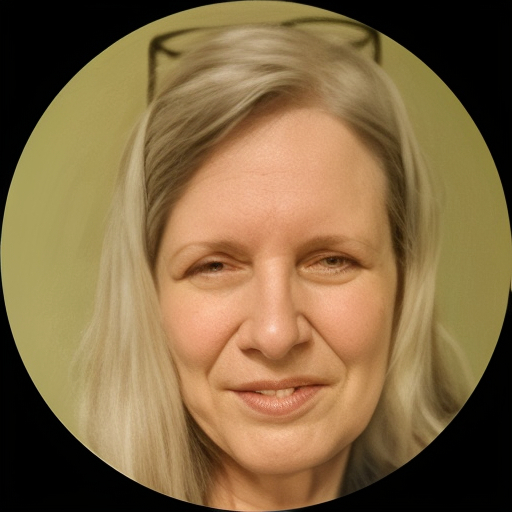
Therapist profile
Elizabeth Smith, LPC
Pennsylvania
Licensed Professional Counselor - Codependency and Relationships
Continue with ElizabethWhere Elizabeth stands
- Credentials
- LPC
- License
- LPC, Pennsylvania / PC006945
- NPI
- 1235575952
- Experience
- 13 years
- Languages
- English
- Location
- Pennsylvania
About
- ACT methods
- CBT techniques
- Client-centered care
About Elizabeth
Elizabeth Smith is a Licensed Professional Counselor (LPC) in Pennsylvania with 13 years of experience. She works with people facing stress, anxiety, trauma and abuse, grief, depression, relationship and intimacy-related issues, and codependency concerns. She also supports those dealing with parenting strain, sleep problems, anger, low self-esteem, ADHD, and major life changes.
Her sessions focus on clear conversation and steady, practical steps. She uses talk therapy to help clients understand patterns that keep them stuck. Together they notice what matters most and try small changes that can make daily life easier.
Elizabeth blends several established approaches. She draws on Acceptance and Commitment Therapy to help people clarify values and accept difficult feelings. Cognitive Behavioral Therapy is used for spotting and changing unhelpful thoughts and behaviors. Client-Centered Therapy guides the pace and tone of sessions so the person feels heard.
She also incorporates Emotionally-Focused Therapy ideas when relationship or attachment issues come up. Existential Therapy shows up in discussions about meaning, choice, and responsibility during life transitions. Her work aims to be straightforward and action-oriented, not full of jargon.
People often come with tangled patterns around caretaking, control, or abandonment. Elizabeth talks through those patterns and practical boundary steps. The emphasis is on skills people can use between sessions to handle triggers and build steadier routines.
How sessions work
How her main approaches are used in online sessions
Acceptance and Commitment Therapy (ACT) helps people clarify what matters to them and practice accepting painful feelings while taking value-driven action. It can be useful for anxiety, avoidance, and problems that come from getting stuck in old patterns.Cognitive Behavioral Therapy (CBT) focuses on identifying unhelpful thoughts and testing them with real-life experiments. This approach is often used for anxiety, depression, sleep problems, and managing anger by changing what people do between sessions.
Client-Centered Therapy shapes the tone of sessions so the person leads the pace while the therapist follows and reflects. That approach supports people who need time to sort out feelings around relationships, attachment, or codependency patterns.
Deciding which approach to use is part of the work. Elizabeth will talk with each person about their goals and preferences and together they will try methods that seem most helpful. Adjustments are expected as therapy goes on, and the choice of tools is collaborative.
The biography does not list specific online session formats, so confirm available options before booking. In general, online sessions can make it easier to fit therapy into a busy week, allow shorter check-ins when needed, and avoid travel time. They also let clients keep a consistent appointment through life changes while working on boundaries, thought patterns, and relationship skills.
Areas of focus
Areas of expertise
Primary focus
Also works with
Additional focus areas
Therapeutic approaches
Experience
13+ years
Listed in
Pennsylvania
Languages
English
Questions
Frequently asked questions
What concerns does she help with?
She works with stress, anxiety, trauma, grief, depression, relationship and intimacy-related issues, and codependency among other concerns listed in her profile.
How would you describe her therapeutic style?
Elizabeth uses clear conversation and practical steps, combining talk therapy with exercises to change unhelpful thoughts and behaviors.
How much experience does she have?
She has 13 years of clinical experience as a Licensed Professional Counselor.
What is her credential and location?
She is an LPC licensed in Pennsylvania and practices with that credential.
Which languages are supported?
Sessions are offered in English.
Does she work with international clients?
She does not accept international clients at this time.
What are the session formats?
The original biography does not specify session formats; please confirm current session options before booking.
How are costs handled and how do I start?
Cost varies with location and sessions use a subscription that can be canceled at any time. To begin select the See online therapy options button, complete the short matching questionnaire, and schedule a first session.
Details come from information the therapist supplied to BetterHelp. A license can be checked with the state board.
Online talk therapy is not emergency care. If you are not safe at home, use the crisis and helpline numbers.