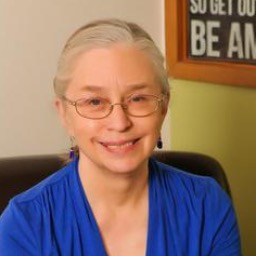
Therapist profile
Diana Elstad, LMHC
Washington
LMHC in Washington - Addictions and Relationships
Continue with DianaWhere Diana stands
- Credentials
- LMHC
- License
- LMHC, Washington / LH 00003771
- NPI
- 1154475994
- Experience
- 35 years
- Languages
- English
- Location
- Washington
About
- Addictions recovery
- Relationship issues
- Codependency themes
About Diana
Diana Elstad is a Licensed Mental Health Counselor (LMHC) in Washington with 35 years of clinical experience. She has worked in community clinics, treatment centers, hospitals, and private practice. Her practice includes help for addiction and recovery, depression, anxiety, PTSD, stress management, family concerns, codependency, self-esteem, relationships, grief, and trauma.
Diana draws on an eclectic counseling style. She listens closely to what is said and what is left unsaid. Sessions focus on practical ways to reduce overwhelm and regain more control over daily life. Conversations may include looking at patterns, learning new coping skills, and noticing how past experiences shape current choices.
Her background includes work with older adults as a geriatric mental health specialist and many years in substance use treatment settings. That mix of community, hospital, and private-practice experience shapes a straightforward approach. She uses several therapeutic methods to match what each person needs.
Therapeutic methods commonly used include client-centered work, cognitive behavioral techniques, and elements of dialectical behavior therapy. Motivational interviewing and narrative therapy also inform conversations about change and meaning. Diana helps people clarify goals, try small experiments, and track progress between sessions.
People who have struggled with people-pleasing, living around another persons drinking or moods, or losing a sense of themselves often come for focused help. The work is practical and paced to the persons situation. To begin, she asks a few questions and sets a first session so people can see how the approach fits.
How sessions work
Therapeutic approaches and how they translate online
Client-centered work focuses on listening and following the person's concerns, helping them name what matters and decide what to try next. Cognitive Behavioral Therapy (CBT) looks at unhelpful thoughts and behaviors, and teaches concrete strategies to change them. Dialectical Behavior Therapy (DBT) skills offer ways to manage strong emotions, reduce reactivity, and build tolerable coping tools.Choosing the right approach is a collaborative process. The therapist will talk with the person about goals, try different tools, and adjust what they use based on what helps. That means starting with practical steps and changing course if something does not fit.
Confirm which session formats are currently available before booking, because the biography does not list specific options. Online work can make it easier to fit therapy into a busy week, allow shorter check-ins when needed, or remove the need to travel to an office. The therapist will discuss how to schedule sessions so they fit daily life and the person's goals.
Areas of focus
Areas of expertise
Primary focus
Also works with
Additional focus areas
Therapeutic approaches
Experience
35+ years
Listed in
Washington
Languages
English
Questions
Frequently asked questions
What kinds of concerns does she work with?
She helps with addiction and recovery, depression, anxiety, trauma, stress, family and relationship problems, codependency, grief, and related issues.
What is her therapeutic style like?
Her style is client-centered and practical. She listens closely, looks for patterns, and uses concrete skills and steps to address problems.
How much experience does she have?
She has 35 years of experience across community clinics, treatment centers, hospitals, and private practice.
What credentials and location are listed?
She is a Licensed Mental Health Counselor (LMHC) in Washington.
Does she offer sessions in other languages or internationally?
Sessions are offered in English and she is not accepting international clients.
What session formats are used?
Confirm the current session options before booking, as the biography does not specify which formats are offered.
How much do sessions cost?
Cost varies with location; sessions use a subscription that can be canceled at any time.
How do I get started with her?
Select the See online therapy options button, complete a short matching questionnaire, and schedule a first session.
Details come from information the therapist supplied to BetterHelp. A license can be checked with the state board.
Online talk therapy is not emergency care. If you are not safe at home, use the crisis and helpline numbers.